
Airport Queues Skyrocket as Shutdown Bites: The Rise of Professional Line-Sitters
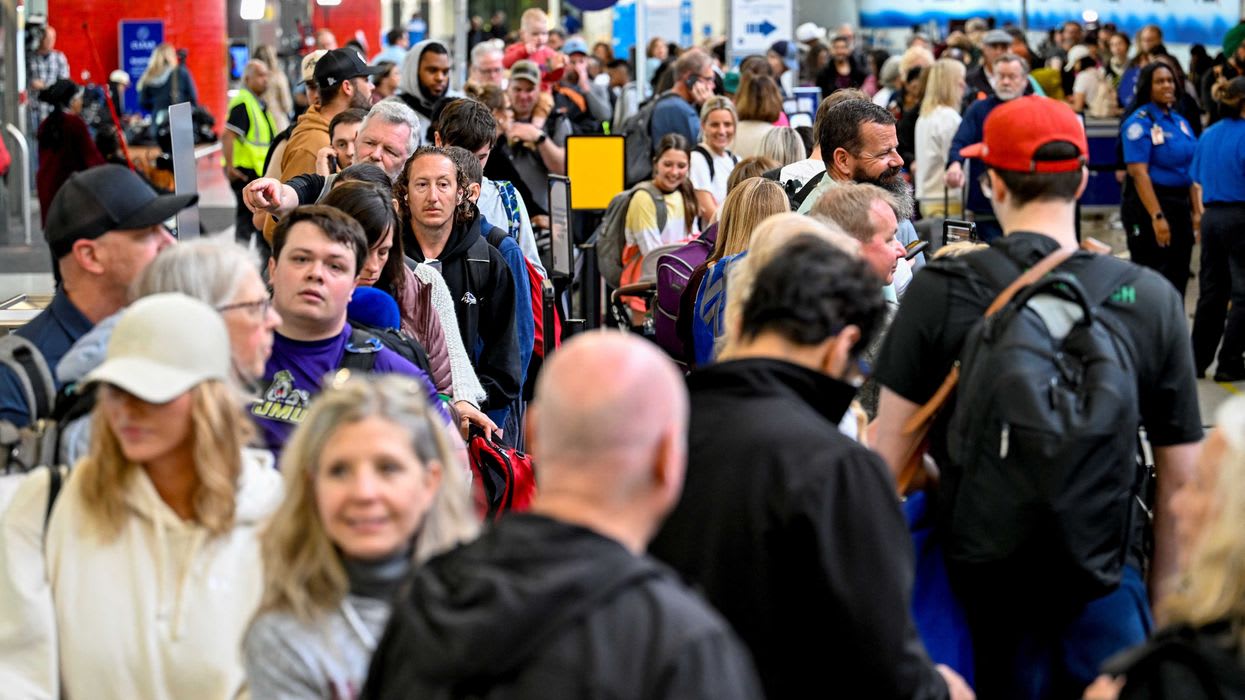
The ongoing partial government shutdown, a consequence of political deadlock under President Donald Trump, is forcing Australian travellers to face a new, and expensive, reality at airports: exorbitant wait times. As Transportation Security Administration (TSA) workers, crucial for airport operations, go without pay, many are quitting or calling in sick, leading to a severe staffing shortage. This has resulted in chaotic scenes at airports across the nation, with security lines snaking around terminals and passengers facing hours of delays.
In response to this growing crisis, a peculiar entrepreneurial spirit has emerged. Individuals are now offering their services as professional line-sitters, essentially getting paid to stand in the lengthy queues that have become a hallmark of the current airport experience. Steven Dial, a resident of Houston, exemplifies this trend. He has turned the frustrating reality of airport delays into a lucrative, albeit unusual, gig.
“I’ve seen parts of the airport now that I didn’t even know existed,” Dial commented, highlighting the sheer scale of the queues he now navigates. His day often begins before dawn, with his line-waiting duties commencing as early as 6:30 a.m.
While the majority of travellers are left to grumble about the lemons they’ve been handed in the form of long waits and missed flights, some enterprising individuals have set up their own “lemon stands,” as the Washington Post aptly describes it. Services like New York-based “Same Ole Line Dudes,” which typically charges $35 per hour with an additional $15 fee for early morning starts, have seen a surge in demand.
Dial, however, has found his own niche. He has been charging a premium for his services, reportedly $65 per hour, with clients also covering his airport parking expenses. “This just seemed like a perfect extension of what I was already offering,” Dial explained, indicating his willingness to adapt his skills to meet the current demand.
The nature of his work is straightforward: clients check in their bags and then hand over their place in line to Dial, who then waits near the ticketing area until his client returns. This costly strategy allows travellers to bypass hours of frustrating waiting, a stark reminder of the ongoing shutdown that has left TSA workers without paychecks for extended periods.
The impact of the staff shortages is palpable. At Baltimore-Washington International Thurgood Marshall Airport, security lines have been reported to wrap around the exterior of the building, creating a daunting spectacle for arriving passengers.
The frustration extends beyond the airport terminals, with even White House reporters expressing their exasperation with the political stalemate. As Republican House leaders continued to stall on a resolution, rejecting a bipartisan deal passed by the Senate, a reporter directly confronted House Speaker Mike Johnson.
“… [T]he American people are just sick and tired of every one of you, both Republicans and Democrats, coming to this podium and blaming the other side,” the reporter stated forcefully. “People have been standing in lines three, four, five hours at a time. There’s TSA workers that are selling their plasma. At what point is a leader on either side going to stand up and say, we have a path forward that everyone will agree to? This vote today will extend the shutdown under any circumstance.”
The situation underscores the far-reaching consequences of the shutdown, impacting not only government employees but also the daily lives and travel plans of ordinary citizens. The rise of professional line-sitters is a clear indicator of the extreme measures travellers are willing to take to avoid the significant disruptions caused by the ongoing political impasse.
Key Impacts of the Shutdown on Air Travel:
- Extended Security Wait Times: Severe staff shortages due to unpaid TSA workers have led to unprecedented queue lengths.
- Increased Passenger Frustration: Travellers are facing hours of delays, missed flights, and general inconvenience.
- Emergence of New Services: A market for professional line-sitters has developed, offering a costly solution for those seeking to avoid the queues.
- Economic Strain on TSA Workers: Many TSA employees are struggling financially, with reports of some resorting to selling plasma to make ends meet.
- Reputational Damage: The ongoing chaos at airports can negatively impact public perception of government efficiency and leadership.
The current situation highlights the critical role of essential workers and the significant ripple effects that political decisions can have on everyday services and the public’s trust. As the shutdown persists, the strain on both travellers and those tasked with ensuring their safety and security at airports continues to mount.