
The Day of the Dead: A Celebration of Life and Memory
The Day of the Dead is much more than a holiday; it is a profound cultural tradition that blends pre-Hispanic Mexican customs with Spanish influences. Unlike Halloween, which often focuses on spooky elements and the sale of sweets, the Day of the Dead is a vibrant celebration of life and the afterlife. This unique festival has been gaining popularity in Spain, thanks to institutions like Casa de México in Madrid, which have dedicated themselves to showcasing Mexican culture.
A Cultural Showcase in Madrid
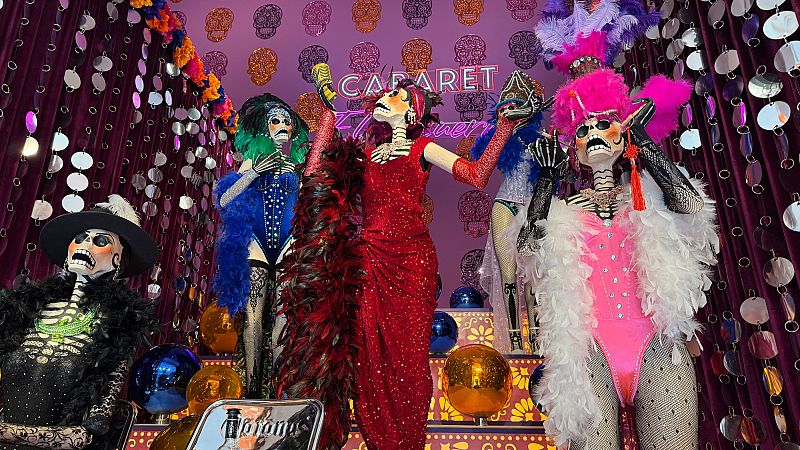
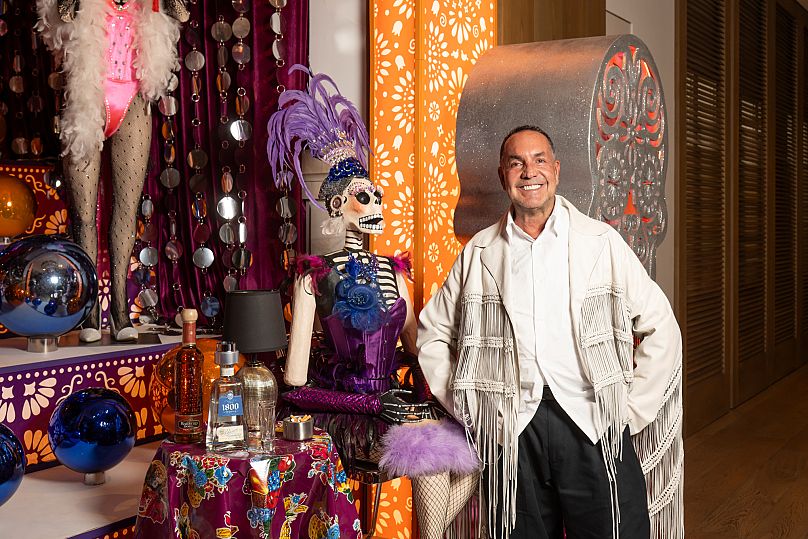
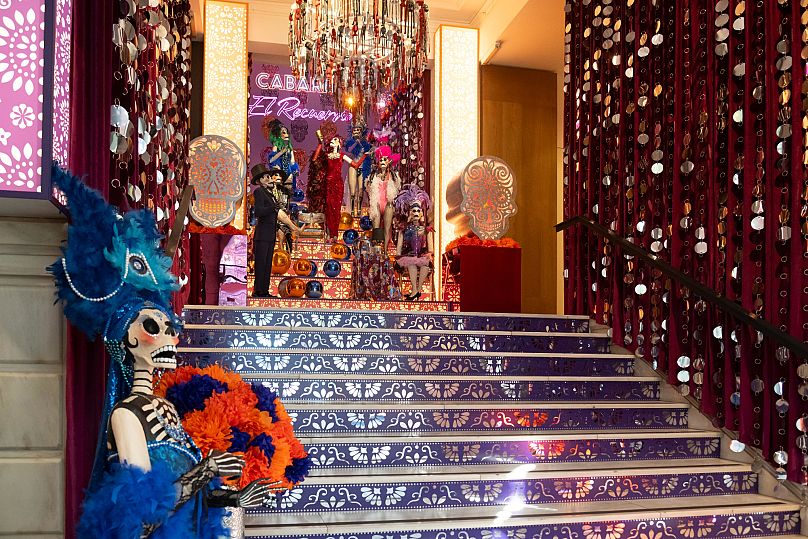
For the eighth consecutive year, Casa de México in Madrid has set up an altar of the dead, designed by architect and photographer Guillermo González. The altar, named “Cabaret of Memories,” is the largest of its kind in Europe. It draws inspiration from the Mexican cabaret scene of the early 20th century, which was heavily influenced by French and German cabaret traditions.
González’s design aims to capture the essence of a celebration filled with music, dance, and joy, where the presence of happy souls continues to shine in the afterlife. The altar not only honors those who have passed away but also reminds us that life should be lived with passion, love, and celebration until the end.
A Staging of Color and Symbolism
The altar features a stunning array of elements that reflect the richness of Mexican culture. Among the highlights are 12 life-size ‘star performers,’ 62 glass spheres, a candelabra made of skeletons and bones, small cardboard devils, and a rack of over 60 skulls. These skulls represent a Mesoamerican ritual structure where the skulls of those sacrificed in honor of the gods were displayed.
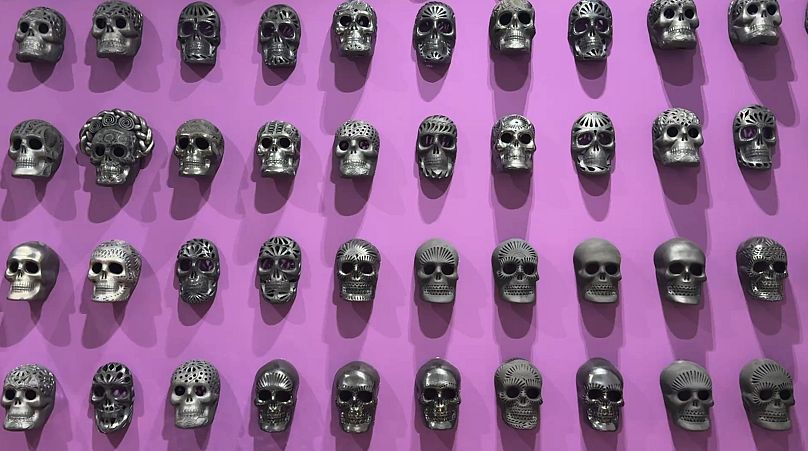
The tour offered by Casa de México takes visitors back to the lively Mexico of the 1930s and 1940s. On the top floor, there is a traditional altar where visitors can leave messages in memory of their loved ones. These notes are later burned in a ceremony after the Day of the Dead has passed.
From Tradition to Global Recognition
What began as a simple tradition among the institution’s employees to bring a piece of Mexican folklore to the other side of the ocean has evolved into a significant cultural event in Spain. The altar has become increasingly popular as people seek to understand Mexican culture and its unique perspective on death as another phase of existence.
Since 2003, the Day of the Dead has been recognized by UNESCO as Intangible Heritage of Humanity, highlighting its cultural significance and global appeal.
The Seven Levels of the Altar
The Day of the Dead altar is structured into seven levels, each representing a different stage in the soul’s journey to eternal rest. These levels symbolize purification and protection during the soul’s passage. While the composition may vary, the general elements include:
- The saint of devotion
- Souls in purgatory
- Salt for purification
- Traditional pan de muerto (bread of the dead)
- The favorite food of the deceased
- A photograph of the deceased
- A cross made of seeds or lime
Another essential element of the altar is the marigold flower, known for its bright orange color and distinctive scent. These flowers are believed to guide the dead on their journey.
Experience the Altar in Madrid
The Casa de México altar can be visited throughout Madrid until 9 November. Guided tours lasting 25 minutes can be booked through its website. This event offers a unique opportunity to experience the beauty and depth of Mexican culture, celebrating life, memory, and the enduring connection between the living and the departed.