
The Largest Class Action in English History Begins
Lawyers have presented their arguments to the High Court, stating that car manufacturers chose to “cheat rather than comply with the law” regarding vehicle emissions. This marks the beginning of the largest class action in English history, often referred to as the new “dieselgate.” Over 1.6 million motorists are involved in legal action against more than a dozen manufacturers, alleging that several diesel vehicles produced from 2009 onwards contained “prohibited defeat devices” (PDDs).
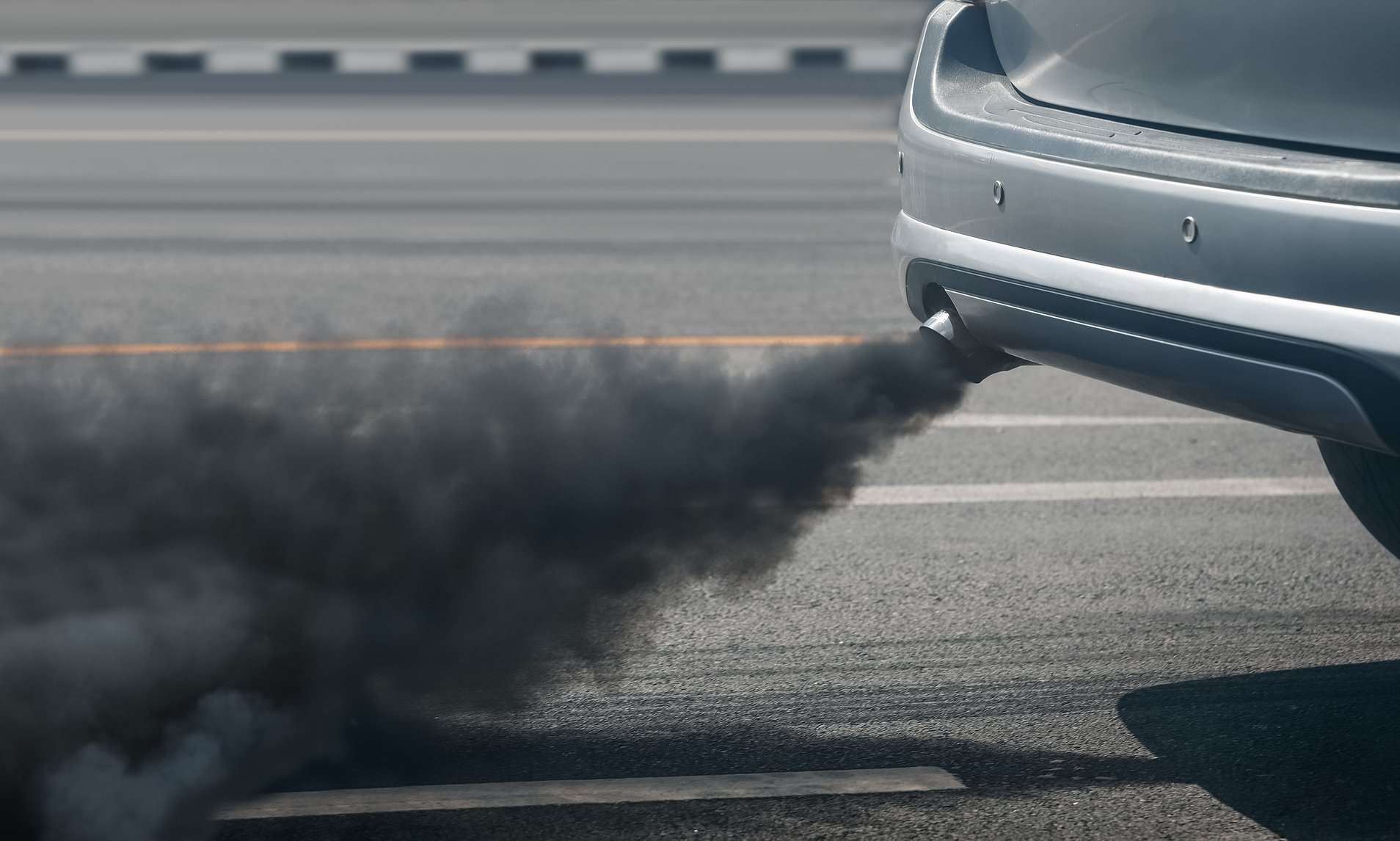
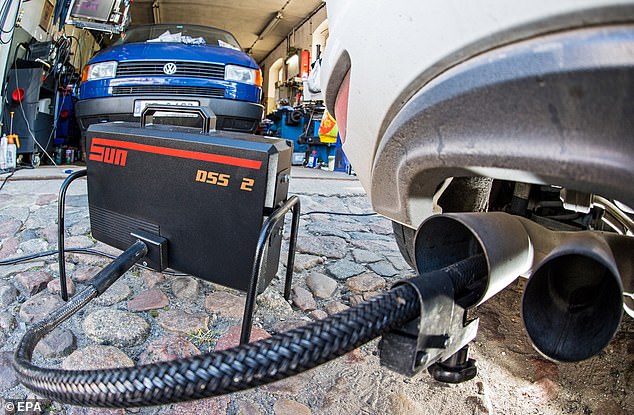
These devices allegedly allowed vehicles to detect when they were being tested and adjust the amount of harmful emissions to meet regulations. However, real-world emissions were significantly higher, leading to violations of regulations and breaches of contract.
The trial, which is expected to last three months, follows a similar case in 2020, where the High Court ruled that Volkswagen had installed unlawful defeat devices in its diesel vehicles, sparking the original “dieselgate” scandal.
The current claims involve vehicles made by major manufacturers such as Mercedes-Benz, Vauxhall, Nissan, Renault, Volkswagen, Porsche, Peugeot, Citroen, Jaguar Land Rover, Ford, BMW, FCA (now part of Stellantis), Suzuki, Volvo, Hyundai-Kia, Toyota, and Mazda.
The cases against 20 “sample vehicles” made by five manufacturers — Mercedes-Benz, Renault/Nissan, Ford, and Peugeot/Citroen — are currently being heard as part of the initial phase of the trial. The main trial before Lady Justice Cockerill is set to conclude in December, but legal arguments will not begin until March 2026.
The manufacturers are contesting these claims and deny the presence of defeat devices in their cars. For instance, Nissan’s lawyers described the case as “fundamentally misconceived,” while Renault’s barristers claimed the claimants were “PDD hunting.”
During the opening of the trial, Thomas De La Mare KC, representing the claimants, stated: “What is really in play is an industry approach to calibration and technology selection over a considerable period of time.” He argued that each manufacturer made a conscious decision to prioritize customer convenience over preventing pollution.
He added, “They have basically said the concern about making these cars sellable by removing these inconveniences is so strong, it is so valuable, it is such an important decision or fact in any consumer’s decision as to whether or not to buy the car, that we would rather cheat than comply with the law.”
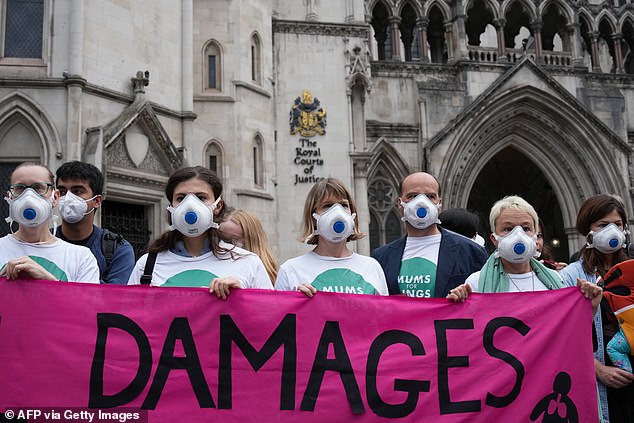
In written submissions, De La Mare also criticized the manufacturers for presenting “numerous improbable, even fanciful legal arguments” regarding the existence of PDDs in the sample vehicles. The claimants either bought, leased, or otherwise acquired diesel vehicles from the companies involved, with most residing in England and Wales.
The other manufacturers involved in the claims will be bound by the ruling that follows the trial. The initial five manufacturers under scrutiny face nearly 850,000 claimants out of the total 1.6 million.
Mercedes-Benz has the highest number of owners represented in the entire class action, with 374,774 drivers accounting for over 22.9% of the 1,638,575 UK motorists involved. BMW, Vauxhall, Ford, and Renault/Nissan follow, with significant numbers of claimants.
Volkswagen is not one of the “lead defendants” in the first part of the case, but it is part of a larger group of defendants that could be affected by the eventual ruling. It has 115,232 Volkswagen Group vehicle owners involved in the group action.
While the ramifications of the trial could be costly for the wider motor industry, it will take some time for any compensation to reach the claimants. A judgment is not expected until summer 2026, and if the court rules against the car makers, a further trial to determine compensation payments would likely occur in autumn 2026.
In July last year, barrister Benjamin Williams KC estimated that the proceedings could be worth at least £6 billion. The case centers on harmful nitrogen oxides (NOx) emissions, which are controlled by an emissions control system.
How Car Makers Responded
Alexander Antelme KC, representing Renault, stated in written submissions that the legal action was based on the “false assumption that the features of the ‘VW Dieselgate’ applied across the entire automotive industry.” He emphasized that the Renault core sample vehicles do not contain defeat devices, whether accidentally or deliberately.
Neil Moody KC, representing Ford, described the case as “scientifically illiterate” and “flawed on the facts and the law.” He argued that the claimants’ case suggests an industry-wide conspiracy, which he deemed implausible.
The original “dieselgate” scandal emerged in September 2015 when the US Environmental Protection Agency accused Volkswagen of installing software known as “defeat devices” on diesel cars to lower nitrogen oxide emissions. When Volkswagen admitted using these devices, it faced significant financial penalties, including over €32 billion in vehicle refits, fines, and legal costs.
UK motorists seeking compensation launched a High Court case against Volkswagen in 2020. The German automaker settled those claims without admitting liability in 2022, paying £193 million to the 91,000 motorists represented by law firms in the class action.
Former Volkswagen CEO Martin Winterkorn faces criminal charges for his role in the scandal. His trial was recently suspended due to health reasons. Four other former Volkswagen managers have already been sentenced for their roles in the affair. Two received prison terms, while two received suspended sentences.