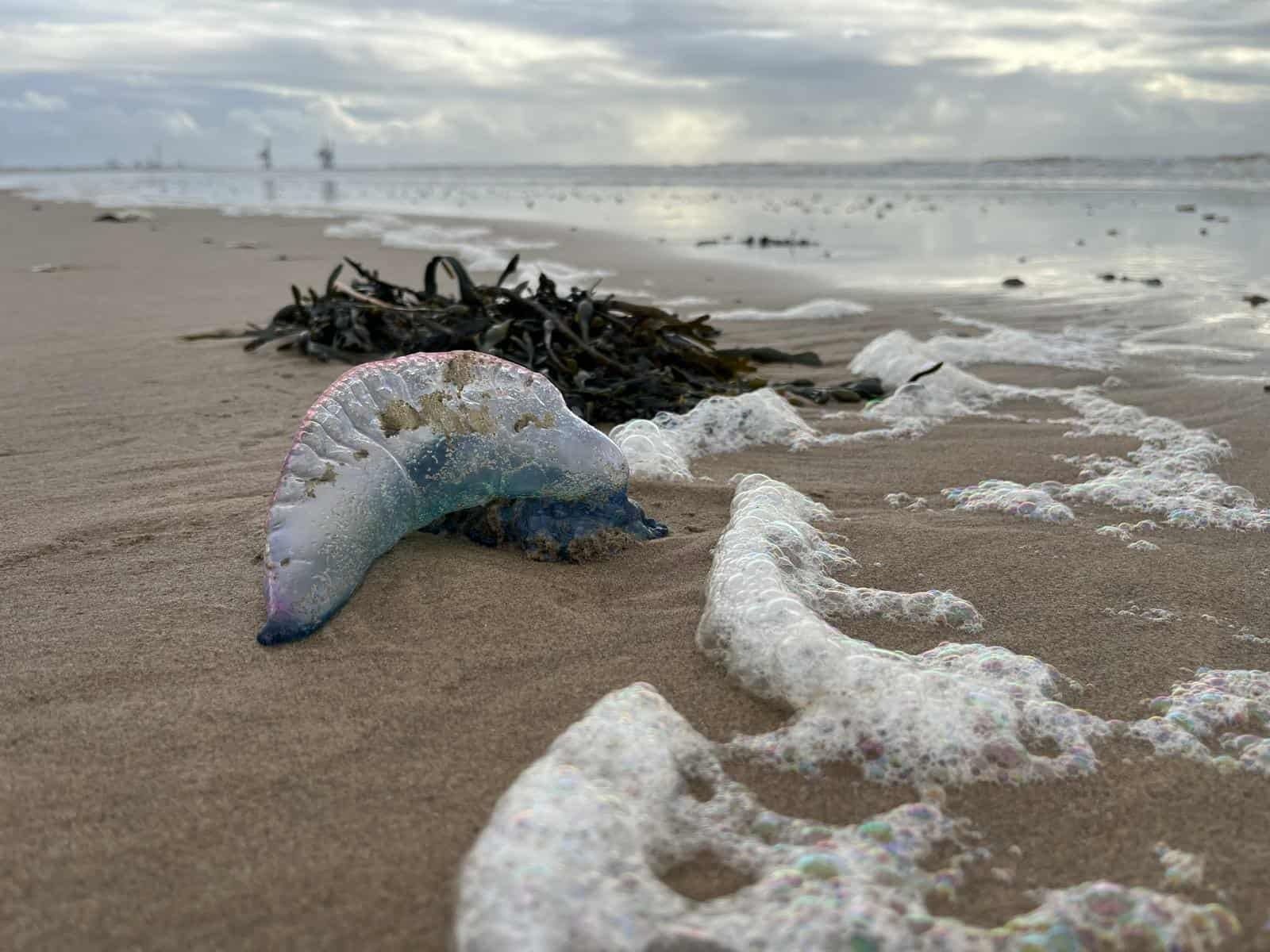

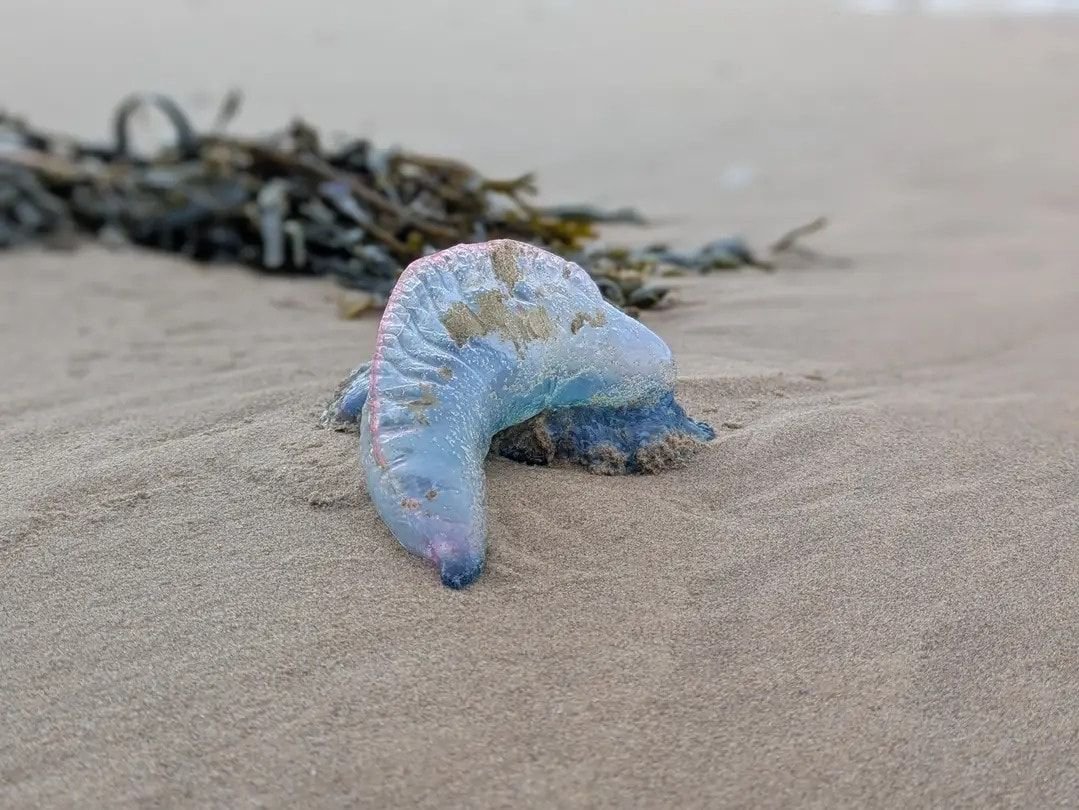
Authorities have issued a warning after a potentially dangerous marine creature was found washed up on a beach in Wales. Several Portuguese Man O’ War were spotted on Aberavon beach near Port Talbot, prompting officials to alert the public about the risks associated with these creatures.
Commonly mistaken for jellyfish due to their balloon-like appearance, the Portuguese Man O’ War can deliver a painful sting that causes welts, blisters, and in severe cases, fever, shock, or complications affecting the heart and lungs. In rare instances, allergic reactions triggered by their venom can be life-threatening. Even dead tentacles, if detached from the main body, can still cause stings.
Beachgoers are being urged to avoid touching the creatures and to remain cautious while visiting the area. The presence of these organisms highlights the importance of awareness and safety when exploring coastal environments.
Safety Tips for Handling Stings
If someone is stung by a Portuguese Man O’ War, there are specific steps they should take:
- Rinse the affected area with seawater, not freshwater, as using fresh water can worsen the reaction.
- Carefully remove any remaining tentacles using a credit card or similar object.
- Immerse the affected area in water as hot as it can be tolerated for at least 30 minutes to help neutralize the toxins.
- Seek medical advice by contacting HM Coastguard or a doctor, especially if symptoms persist or worsen.
A spokesperson for the Port Talbot Coastguard emphasized the need for vigilance: “We’re urging everyone visiting Aberavon Beach to stay vigilant. Do not touch these creatures, even if they appear dead, as their tentacles can still deliver a painful sting.”
They also provided additional guidance for those who may encounter the creatures: “If you are stung, rinse the affected area with seawater – not fresh water – and carefully remove any tentacles using a credit card or similar object. Immerse the area in water as hot as can be tolerated for at least 30 minutes to help neutralise toxins, and seek medical advice by contacting HM Coastguard or a doctor. In a coastal emergency, always call 999 and ask for the Coastguard.”
How Do Portuguese Man O’ War Hunt?
The Portuguese man o’ war (Physalia physalis) does not actively attack its prey. Instead, it functions as a passive hunter, drifting on ocean currents and using its long tentacles to capture small fish, plankton, and other marine life.
This organism is not a single animal but a colonial structure composed of specialized individuals called zooids. These zooids work together to perform different functions:
- The float, known as the pneumatophore, keeps the colony at the surface of the water.
- The tentacles, which can extend up to 30–50 meters, hang below the surface and are used for hunting.
- Specialized feeding zooids, called gastrozooids, digest the captured prey.
When small fish or plankton come into contact with the tentacles, specialized capsules fire tiny harpoons that inject venom. This venom contains a mix of toxins, including potent neurotoxins and hemolysins, which can cause paralysis or death in small prey within seconds. In larger animals, including humans, the venom can cause pain and shock, disrupting the nervous system and damaging cells.
Despite their dangers, Portuguese Man O’ War are typically not a long-term threat on beaches, as they are usually carried away by the tide. However, their presence serves as a reminder of the unpredictable nature of coastal environments.
Previous Sightings and Public Awareness
The recent sightings of Portuguese Man O’ War in Aberavon are not isolated. Earlier reports of these creatures have been documented off the coast of Pembrokeshire, as well as in Gwynedd and Anglesey. These occurrences highlight the need for continued public awareness and caution.
For those interested in staying updated on local news and developments, there are several ways to receive regular updates. Subscribing to a news newsletter or following breaking news alerts can help keep individuals informed about important events and potential hazards in their area.