
A New Chapter for Greg Koenig
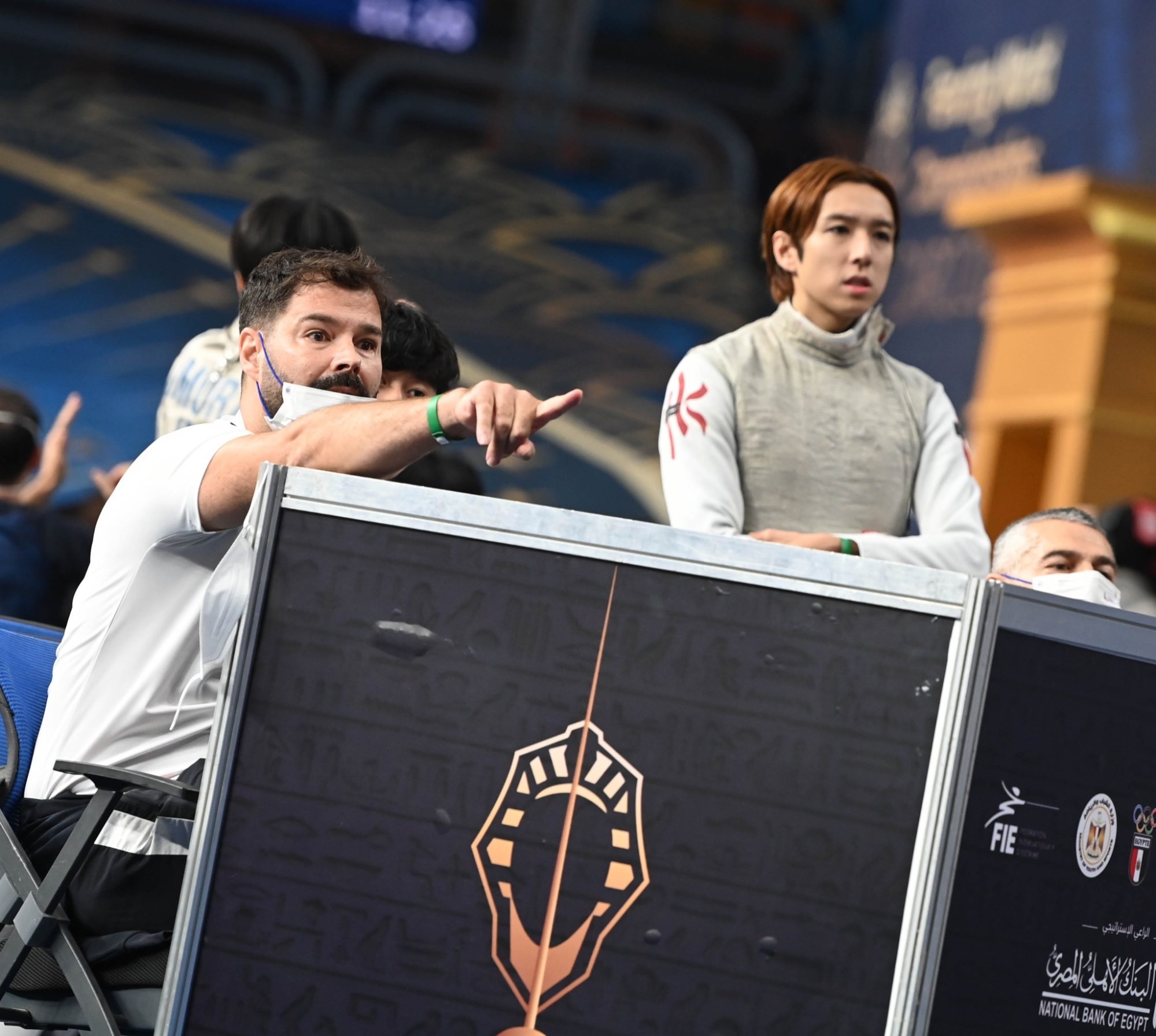
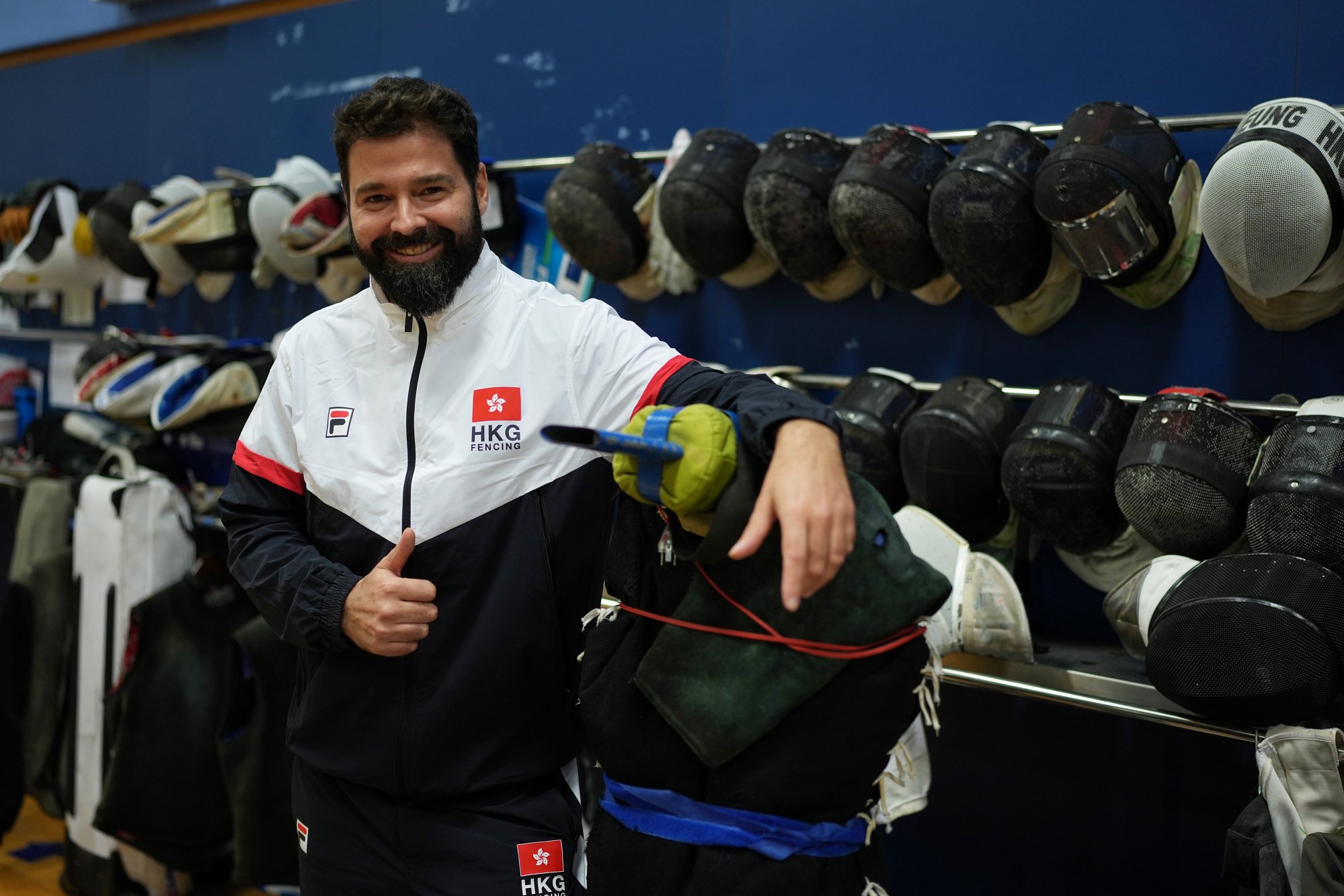
Frenchman Greg Koenig has made a name for himself as one of the most influential figures in Hong Kong’s fencing scene. Over the years, he has played a pivotal role in the success of Cheung Ka-long, Hong Kong’s greatest Olympian, and has helped spark a growing interest in fencing across the city. Despite his achievements, Koenig is not content with resting on his laurels.
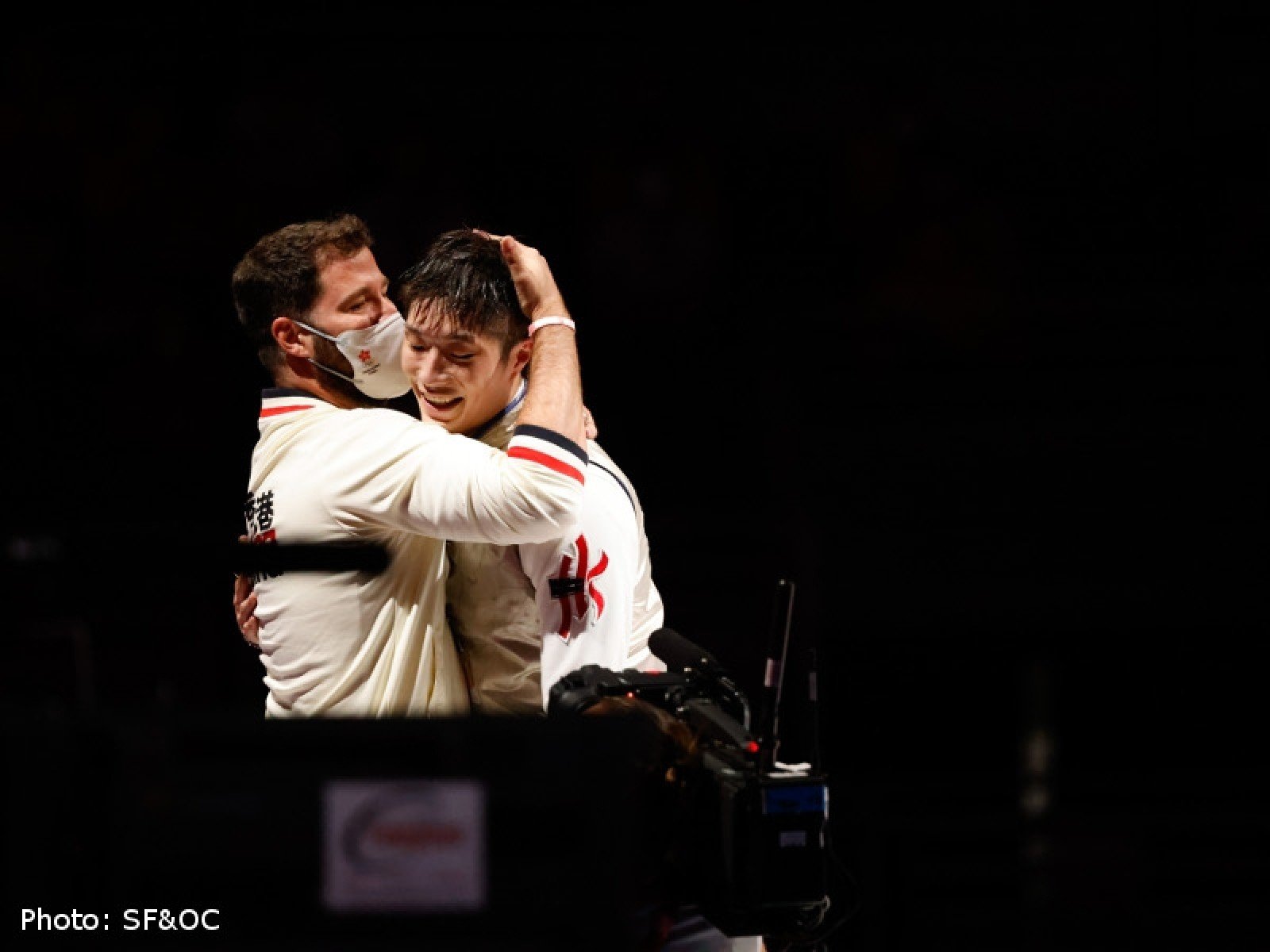
“I’m proud of what I’ve given to Hong Kong, but I’m never satisfied; I think I can do more,” said Koenig, who guided Cheung to Olympic golds in Tokyo and Paris. His passion, dedication, and curiosity have kept him at the forefront of coaching, but he has also decided it’s time to focus more on his personal life and mental well-being.
Balancing Work and Family
Koenig admitted that for many years, he was too focused on his work, which led to the breakdown of his marriage. “I didn’t do this enough in the past years; I was too much at work,” he said. “It’s why I divorced my wife. I was too focused on my job and not enough on her, or myself.”
He now lives in a block of flats overlooking the Hong Kong Sports Institute in Sha Tin, where he has resided for seven years. “There’s no separation from work,” he said. “I decided I needed to change my life.”
This month, Koenig will move to Sheung Wan. “When I finish work, I’ll be able to go out with friends – it’s too far for them to come here,” he said. “It’ll be better for my mental health. I take care of everybody else, but haven’t thought about me.”
Emotional Struggles After the Olympics
After Cheung’s Olympic triumph in France last year, Koenig said he “had nothing left.” The previous year had been emotionally, physically, and psychologically challenging. “When the last point of an Olympics is done, don’t ask me to do anything,” he said. “Walking back afterwards, I couldn’t reach my hotel. I put my bag down, sat on it and waited.”
Koenig’s journey in fencing began at the age of six, when he started both fencing and tennis. He preferred tennis because it was “more fun and less complicated.” However, he found his strength in fencing and eventually quit tennis. His father was an amateur fencer, which influenced his early interest in the sport.
At 14, Koenig won a bronze medal in a national junior competition, which gave him a sense of achievement. “That made me think I could achieve something,” he said. “The federation asked me to join the sports institute for young athletes, and within one month I was living far away from my parents.”
A Career That Began Early
Koenig’s career as an athlete took off when he became a European team gold medallist in 2006 and French champion the following year. However, he missed his chance to compete in the 2008 Olympics due to being behind other fencers in the rankings. “This was terrible… I went as a substitute, but lived it without fencing,” he said. “I thought, ‘OK, I’ll go in 2012’, but life made it that I didn’t, because I quit fencing earlier.”
Two years after winning a World Cup in Bonn, Koenig retired in 2011 as a “happy and proud” man. “I wasn’t so passionate about training any more; it was time for a new chapter of life,” he said. “I wish I could have done better but my body and brain allowed me to do what I did.”
From Athlete to Coach
On the advice of his father, Koenig started coaching and gaining qualifications at 16. “I didn’t really want to, but I needed pocket money to go out with my friends and enjoy life,” he said. He worked various jobs, including 12-hour shifts as a hotel night keeper and selling ice cream on the beach during summers.
Koenig eventually bought the ice cream company and employed 500 people before selling the business. It was only after retiring that he dedicated himself fully to coaching. A job with a private Paris club led to his appointment as France head coach in 2012, and four years later, he led the men’s team to Olympic silver.
A New Beginning in Hong Kong
In 2017, Koenig felt the need for a change. “I’d separated from the mother of my daughter, who lived in the south of France, so I didn’t get to see her,” he said. “My motivation was dropping, and I needed a new project to be happy.”
He was on the verge of becoming Great Britain head coach, but UK Sport pulled the plug on fencing funding. “I didn’t want to stay in France… a guy at a competition asked me if I’d be interested in coaching in Taiwan,” Koenig said. “I didn’t know where it was, only that as a child my clothes said, ‘Made in Taiwan’. I went for one month, they made a proposal and I stayed.”
After initially rejecting overtures from Hong Kong, Koenig ultimately accepted an offer in 2018. “They hired me to work in the way I wanted, not to tell me what to do,” he said. “I was lucky, too – the people before me had created athletes who were already technically strong. I just needed to add the tactical and psychological elements.”
Looking Ahead
Koenig is excited about the future of fencing in Hong Kong. “We created something crazy for Hong Kong,” he said. “I’m proud when I see children out with fencing bags. I’m not scared for the future of foil here. The youngsters know they can achieve things, because they’ve seen their elders do it.”
Koenig recently received the gold medal for youth and sports from Hong Kong’s French consulate. He has become a master of man-management, adjusting his approach depending on the individual. “I find out what motivates them. Not formally, because they just give you the right answer,” he said.
A Personal Life Rebalanced
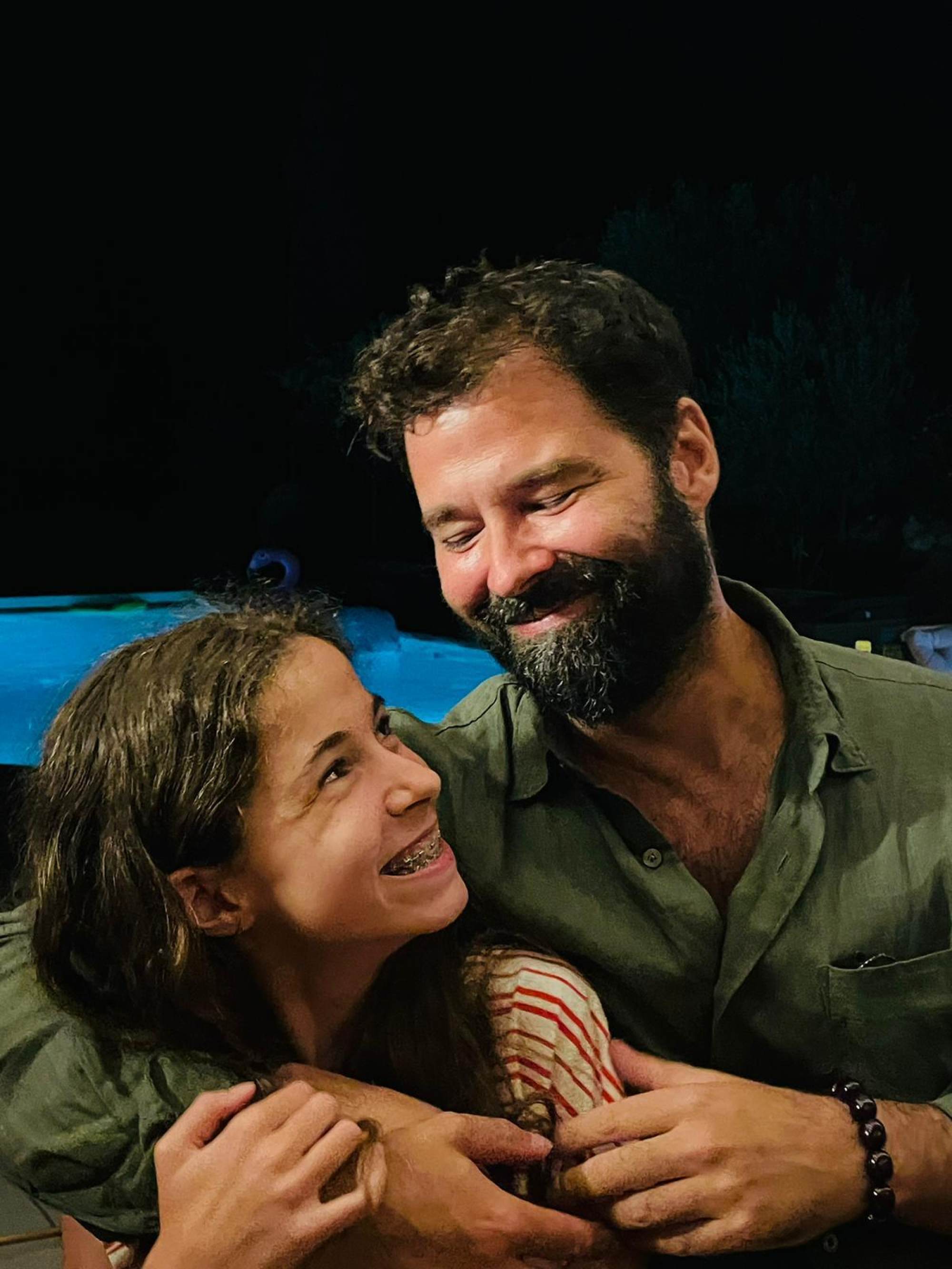
Koenig’s 13-year-old daughter, Chloe, came to Hong Kong for the first time this summer. “We surprised her, she thought she was going to her grandparents,” he said, laughing at the memory of Chloe surrendering to jet lag and sleeping for eight hours from 3pm on her first day.
“This year will be the first time I have Christmas and New Year with my family in Hong Kong,” he said. “My parents, sister, nephews and daughter – seven people – are coming. Some friends are going to Europe, so we’re using their flats. I’m really happy about this.”
Koenig is also taking care of his family and himself, not focusing only on his job. “My nephew will stay with me for six months while he goes to university,” he said. “I’m taking care of my family and myself, not focusing only on my job.”