
Historic Arrival: First LNG-Powered Vessel Docks at Port of Mombasa, Signalling Green Shipping Ambitions
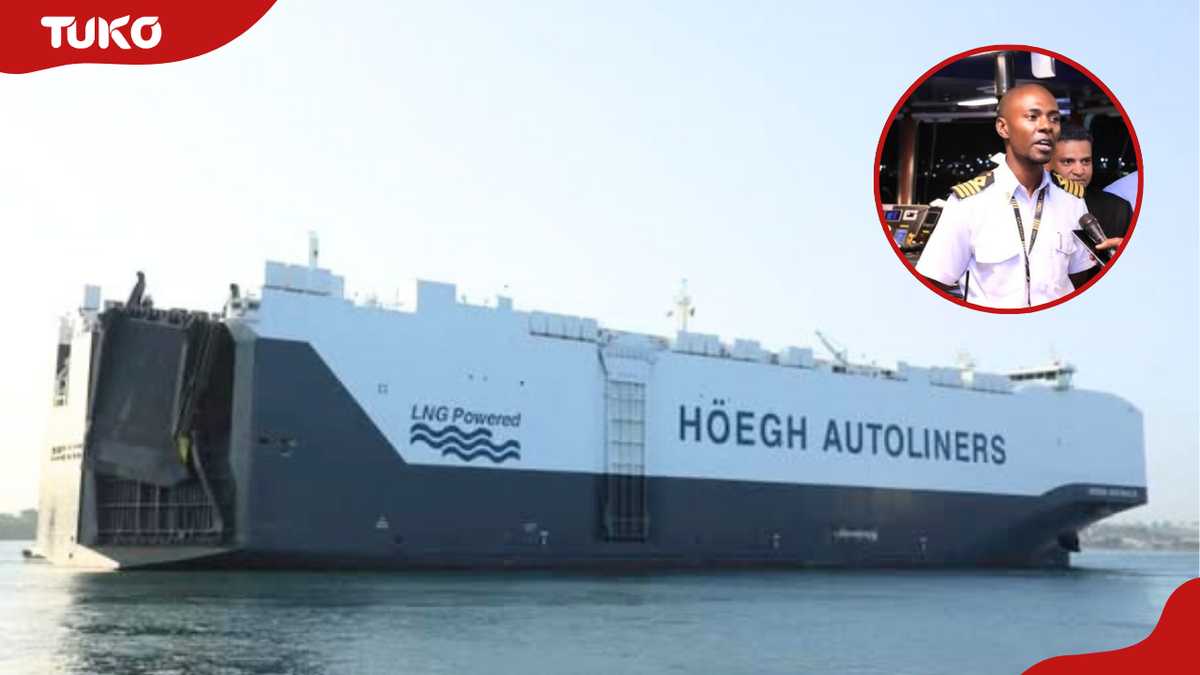
The Port of Mombasa has achieved a significant milestone, welcoming the first Liquefied Natural Gas (LNG)-powered vessel to dock at an East African port. This landmark event underscores a substantial advancement in the region’s journey towards cleaner and more sustainable maritime transport. The Norwegian-flagged Roll-On/Roll-Off (Ro-Ro) vehicle carrier, the Höegh Australis, arrived from Singapore on Boxing Day, marking a new era for the bustling Kenyan maritime hub.
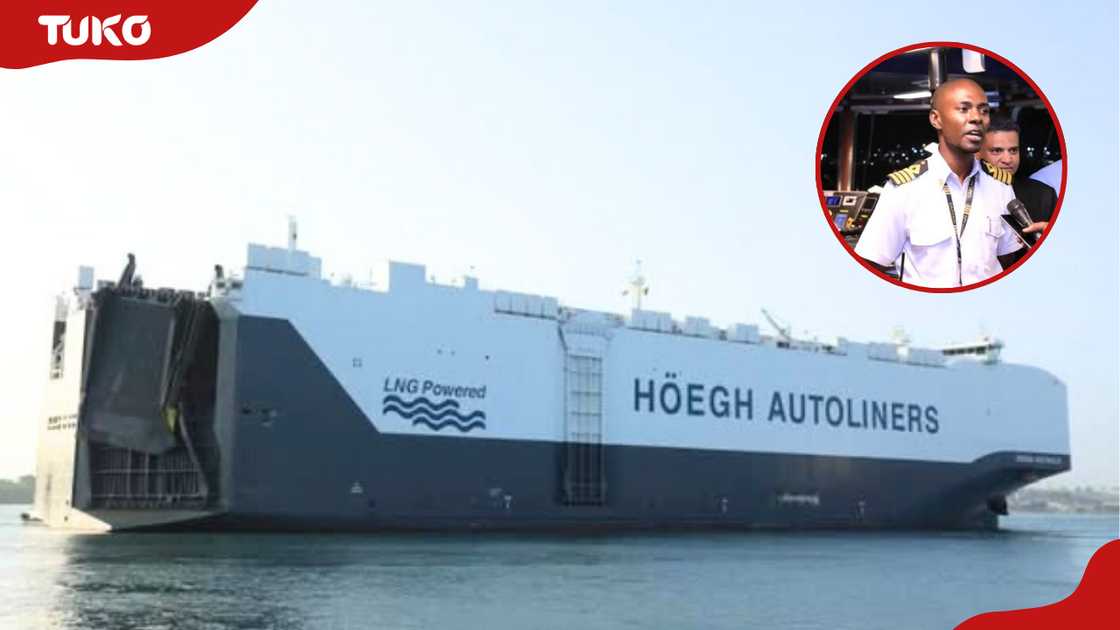
Measuring an impressive 200 metres in length and 37.84 metres in width, the Höegh Australis boasts an extensive capacity across its 16 decks, capable of carrying over 9,300 vehicles. Its current mission involves the discharge of 824 motor vehicles and associated accessories, destined not only for Kenya but also for its neighbouring landlocked nations, further solidifying Mombasa’s role as a vital regional logistics gateway.
Innovative Fuel Technology Driving Emission Reductions
What sets the Höegh Australis apart is its cutting-edge fuel technology. This relatively young vessel, just one year old, operates primarily on Liquefied Natural Gas, utilising approximately 98% LNG. It employs conventional bunker fuel for only a minimal percentage, reserved for specific operational needs such as engine start-up.
This advanced fuel strategy results in a drastic reduction of harmful emissions when compared to vessels relying on traditional marine fuels. The environmental benefits include significant decreases in sulphur oxides (SOx), nitrogen oxides (NOx), particulate matter, and carbon dioxide (CO2).
The maritime industry’s global shift towards decarbonisation is increasingly favouring transitional fuels like LNG. Many new LNG vessels are being constructed with the capability to be converted to run on zero-carbon fuels in the future, such as ammonia. This foresight positions LNG as a crucial stepping stone in the long-term goal of achieving a fully decarbonised shipping sector.
KPA Champions Green Port Policy and Future-Ready Infrastructure
The arrival of the Höegh Australis was overseen with expert precision. KPA Chief Pilot, Captain Suleiman Bakari, personally guided the vessel from its outer anchorage to berth number one. Representing the KPA Managing Director, Captain William Ruto, Captain Bakari hailed the event as historic. He underscored that the Höegh Australis is the largest vessel ever to berth at a Kenyan port and represents a pivotal step in the implementation of the KPA’s Green Port Policy. This policy is intrinsically aligned with Kenya’s broader national objectives for clean energy.
“This sits very well with the Green Port Policy of KPA, which is aligned to Kenya’s national clean energy objectives,” Captain Bakari stated. He also extended his commendations to Höegh Autoliners for their trust in the KPA’s capacity to handle the vessel safely and efficiently.
The Kenya Ports Authority (KPA) has reiterated its unwavering commitment to providing high-quality services to shipping and logistics firms. The port authority highlighted its growing capability to accommodate next-generation, eco-friendly vessels, signalling a proactive approach to modern maritime demands.
Industry Stakeholders Embrace the Green Transition
The docking of the Höegh Australis has been met with widespread enthusiasm from shipping stakeholders across East Africa. They view this development as a significant milestone for the maritime industry in the region.
Satish Nair, Regional Manager for Socopao Kenya Limited, took the opportunity to advocate for the broader adoption of LNG and other green energy solutions. He emphasized the substantial low-emission advantages offered by vessels powered by these cleaner alternatives.
The captain of the Höegh Australis, Edgar Paul, expressed his sincere gratitude to the KPA pilots for their seamless and professional guidance throughout the docking process. He noted that this was his first command of an LNG-powered ship and also his inaugural visit to the Port of Mombasa, adding a personal note to the historic occasion.
Globally, the adoption of LNG-powered vessels is on the rise, driven by increasingly stringent environmental regulations set forth by the International Maritime Organisation. LNG technology is recognized for its substantial reduction in harmful emissions and is widely considered a practical and effective bridge towards the ultimate goal of zero-carbon shipping, even as the industry anticipates the gradual integration of ammonia-fuelled vessels into service.