
Record Low Support for Opposition
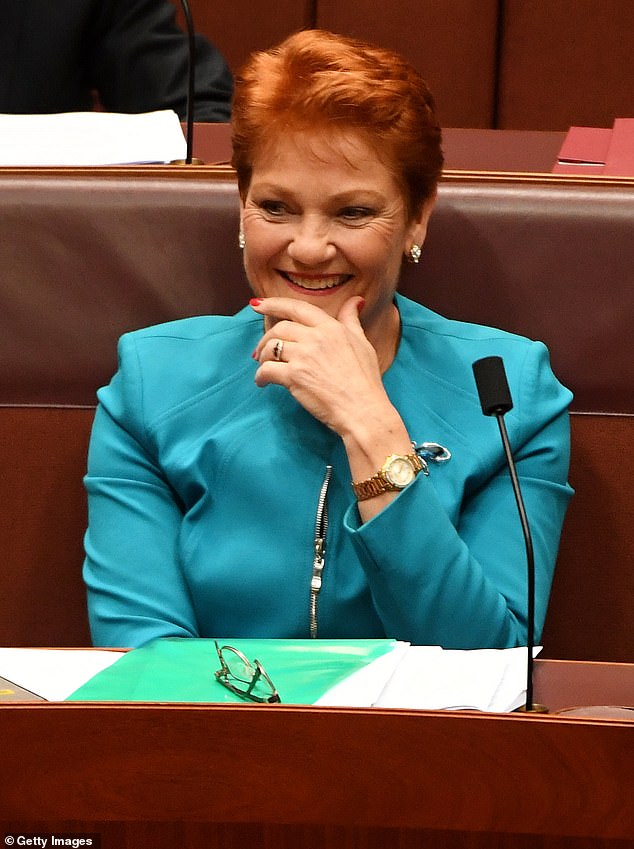
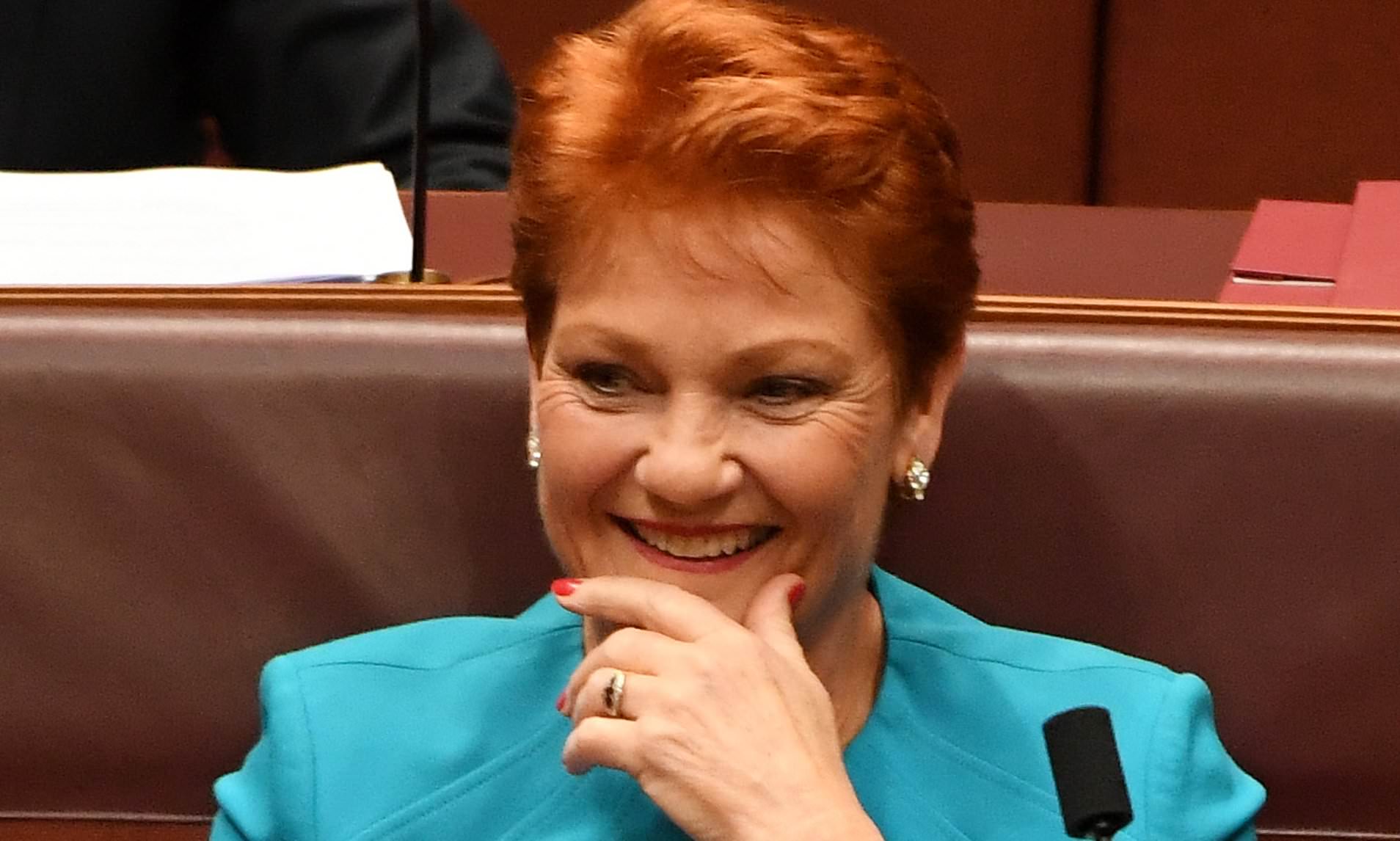
Support for the opposition in Australia has reached a record low, with voter backing for embattled Liberal leader Sussan Ley significantly declining. A recent Newspoll published in the Australian revealed that the primary vote for the coalition has dropped to 24 per cent, which is well below its result during the May election when it faced a historic defeat.
This decline in support coincided with a new high for One Nation, a minor right-wing party that now polls at 15 per cent of the primary vote. Meanwhile, Labor continues to maintain a clear lead, holding a 57 to 43 per cent margin on the two-party-preferred vote according to the poll released on Monday.
Ms. Ley’s net approval rating has plummeted to minus 33, which is lower than the rating of former Liberal leader Peter Dutton on the eve of his election loss. Her performance is now approaching the records of other unpopular opposition leaders, such as then-Labor leader Bill Shorten’s minus 38 rating in 2015 and then-Liberal leader Andrew Peacock’s minus 44 in 1990.
In terms of who voters think would be a better prime minister, Anthony Albanese holds a significant lead over Ms. Ley, with a 54 to 27 per cent advantage.
Internal Struggles in the Opposition
The poll comes amid weeks of infighting within the Liberal and National parties. High-profile MPs such as Jacinta Nampijinpa Price and Andrew Hastie have recently left the front bench. The opposition’s internal division over climate and energy policy is also becoming more evident as parliament returns after the Nationals voted to abandon their commitment to net-zero emissions by 2050.
This decision could lead to a potential conflict with the Liberals, many of whom support the net-zero target and believe it is necessary for the party to regain ground in urban seats.
Healthcare Policy and Medicare Incentives
Politicians are returning to Canberra ahead of the second-last parliamentary sitting of the year, during which the government will focus on promoting its healthcare credentials. The government will argue that billions of dollars in Medicare incentives are already showing results.
On Saturday, major subsidies took effect with the goal of making nine out of every ten doctor appointments bulk-billed by 2030. This $8.5 billion policy was a key part of Labor’s re-election campaign. However, some doctors have stated they will not take up the incentives because it still may not be cost-effective to offer free appointments.
Under the plan, payments that previously incentivized GPs to bulk-bill children and concession-card holders have been expanded to all Australians. Additionally, a reward payment has been set up for clinics where all doctors bulk-bill every patient for normal appointments.
Over the weekend, Health Minister Mark Butler released data showing more than 1,000 practices had expressed interest in becoming fully bulk-billing. More figures released on Monday indicate that the majority of clinics planning to offer free appointments to all patients are located in cities, although regional and rural areas will also benefit.
Prime Minister Anthony Albanese will be back in parliament promoting these changes after attending a series of global summits in Malaysia and South Korea.