

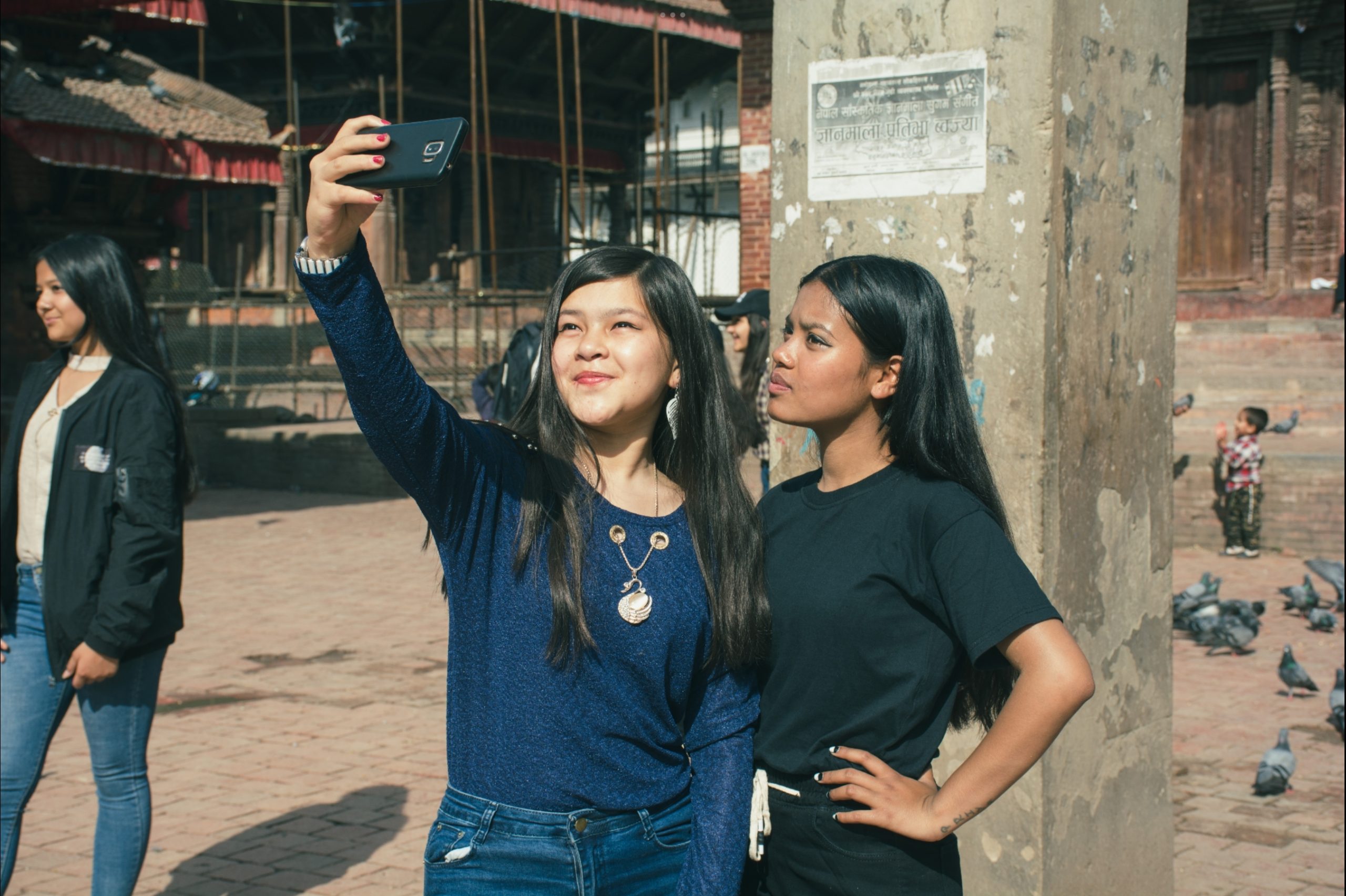
Across the globe, governments are grappling with the complex question of how to safeguard children from the potential dangers of social media. The debate centers on whether limiting access is the most effective approach, and what unintended consequences such restrictions might create. Several countries are actively considering or implementing age-based restrictions, sparking a global conversation about the practicality and efficacy of these measures.
International Approaches to Social Media Regulation
Australia has emerged as a frontrunner in this movement, proposing stringent measures to restrict social media access for children under the age of 16. These proposals include mandatory age verification processes and significant fines for platforms that fail to comply. The Netherlands and Malaysia are also exploring similar regulatory frameworks, reflecting a growing international concern.
This global scrutiny raises critical questions: Are age-based rules a viable solution? How can they be effectively enforced? And most importantly, do they truly enhance the safety and well-being of young users? The answers are particularly complex in countries where access to technology and resources varies widely, and enforcement capabilities are limited.
Arguments for and Against Restrictions
Proponents of restricting social media access for children argue that it can significantly reduce their exposure to harmful content, including:
- Grooming
- Manipulation
- Data privacy risks
They emphasize that young people may lack the maturity and critical thinking skills necessary to navigate these dangers effectively.
However, critics argue that age restrictions alone are insufficient to address the multifaceted challenges of online safety. They highlight the potential for such restrictions to be easily circumvented and the risk of unintended consequences.
The Reality of Circumvention: A Case Study
Consider the case of Aakriti, a 14-year-old student who accesses social media using her mother’s phone. This scenario, common in many households, illustrates a key challenge: even with age restrictions in place, children can often gain access through family accounts or shared devices, thereby limiting the effectiveness of these policies.
The Unintended Consequences of Bans
A notable example of the potential pitfalls of blanket restrictions is the 2025 social media ban in Nepal. The government’s attempt to block access to 26 social media platforms, ostensibly to promote order and control information, backfired spectacularly.
- Young people swiftly bypassed the ban using VPNs (Virtual Private Networks).
- Platforms like Discord became hubs for organizing political activism.
- Young people even conducted a vote on Discord to select a new prime minister.
This case demonstrates how attempts to control online spaces can inadvertently empower young people and drive them towards alternative platforms and methods of communication, potentially with unforeseen results.
Concerns About Age Verification
The implementation of age verification systems raises significant concerns about data privacy and security.
- Data Collection: Age verification often requires collecting substantial amounts of children’s personal data, including ID scans, biometric information, and behavioral tracking data.
- Data Security: Storing this sensitive data creates a valuable target for cybercriminals, including traffickers, child sexual abusers, and organized criminal groups.
- Risk of Exposure: Poorly designed verification systems could inadvertently expose children to harm rather than protecting them.
Furthermore, there are concerns that age verification tools could be expanded into broader surveillance mechanisms, potentially leading to digital authoritarianism. Any policy in this area must carefully balance safety concerns with children’s fundamental right to privacy.
The Importance of Digital Inclusion
Restricting social media access can hinder digital inclusion and limit young people’s educational opportunities. Social media platforms are increasingly integral to learning, communication, and skill development.
- Educational Resource: Social media provides access to a wealth of information and educational resources.
- Skill Development: It offers opportunities to develop digital literacy and communication skills.
- Social Connection: It facilitates social interaction and connection with peers.
Limiting access to these platforms may push children towards less regulated and potentially more dangerous online spaces.
The Voices of Young People
A critical element often missing from the debate surrounding social media regulation is the perspective of young people themselves. Research consistently shows that involving young people in policymaking leads to more effective and rights-respecting outcomes.
Priya Bhusal, a 16-year-old student, expresses concern that restricting social media access would limit her ability to learn about new ideas, cultures, and values from around the world.
A study conducted by researchers at the Digital Media Research Centre in Australia explored the views of 86 children aged 12 to 15 regarding the proposed social media ban. The children emphasized that they use social media to gain knowledge, stay informed, and develop new skills. They also expressed diverse opinions about social media and the proposed ban, highlighting the fact that their experiences are varied and should not be treated as uniform.
Many children felt that adults misunderstood their experiences and that the potential benefits of social media were being overlooked.
A Holistic Approach to Child Safety
Restrictions alone are unlikely to prevent abuse or exposure to harmful content. The digital landscape is vast, dynamic, and constantly evolving, making it difficult for simple bans to provide lasting protection.
Effective child protection requires a multi-faceted approach that includes:
- Safe Technology: Technology companies must implement robust safety measures to detect and prevent grooming, harmful algorithms, impersonation, and age-inappropriate content.
- Digital Education: Comprehensive digital safety education for children, young people, parents, and teachers is essential.
- Law Enforcement: Law enforcement agencies need enhanced training and resources to investigate online crimes, particularly grooming and sexual exploitation.
- Offline Activities: Investing in sports, arts, and other offline activities can provide healthier alternatives and support children’s overall well-being.
- Parental Awareness: Parents must remain informed about their children’s online activities and interactions.
Children need digital spaces that are safe, supportive, and developmentally appropriate. Policies should prioritize education, enforceability, and addressing the root causes of harm. The ultimate goal is to create a digital environment where children can learn, connect, and grow safely and responsibly.