

Boxing Day Sales Face Steep Decline Amid Consumer Confidence Collapse, Retailers Warn of £1 Billion Loss
Britain’s high streets are bracing for a significant downturn in Boxing Day sales, with consumer confidence plummeting and shoppers expected to spend £1 billion less than the previous year. Figures suggest a sharp drop in participation, with only 26 per cent of Britons planning to hunt for bargains, a decrease from 28 per cent in the prior year. This anticipated decline is directly linked to mounting cost pressures on households, with a staggering 69 per cent of individuals citing these financial strains as a primary influence on their spending habits, a marked increase from 47 per cent last year.
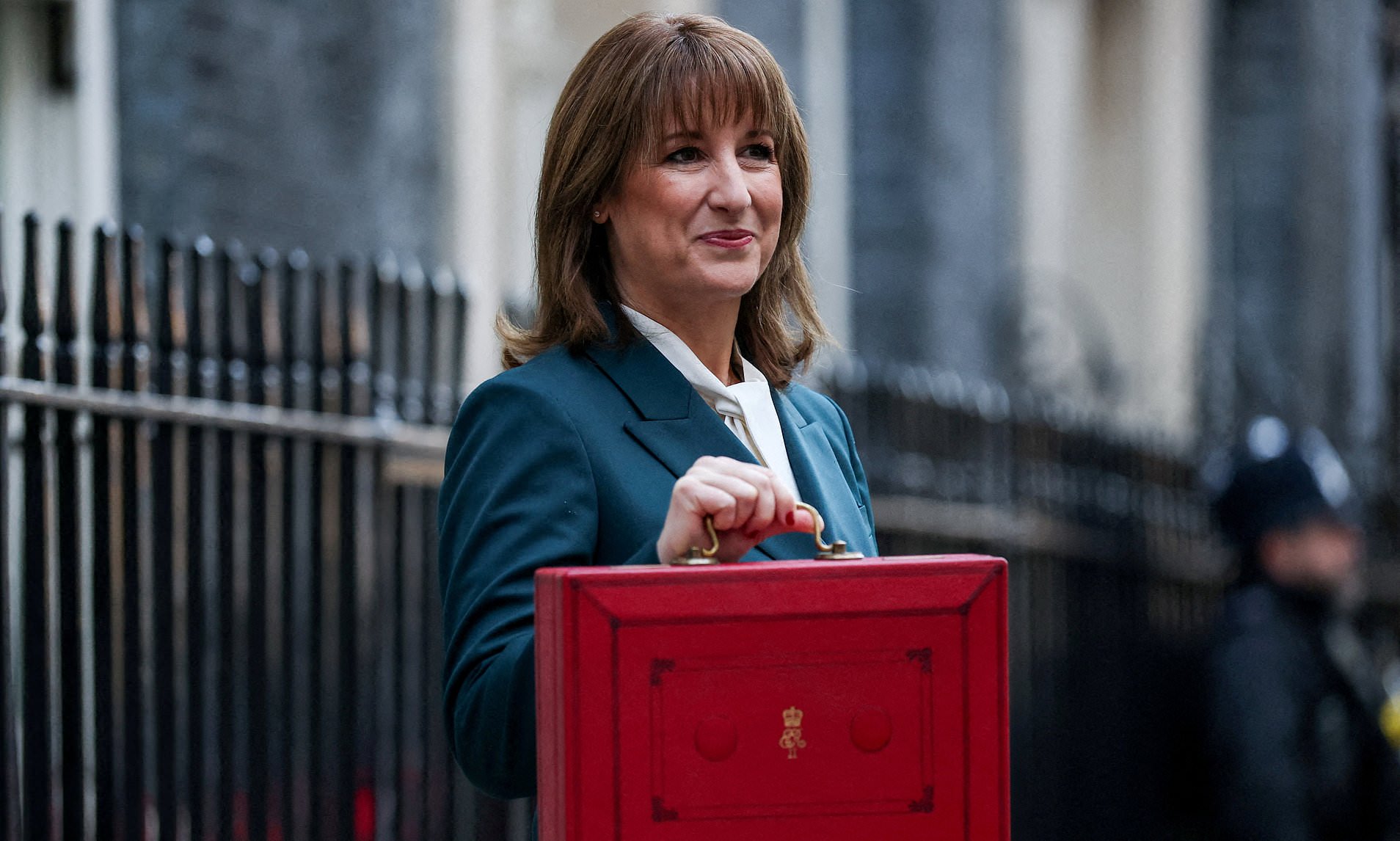
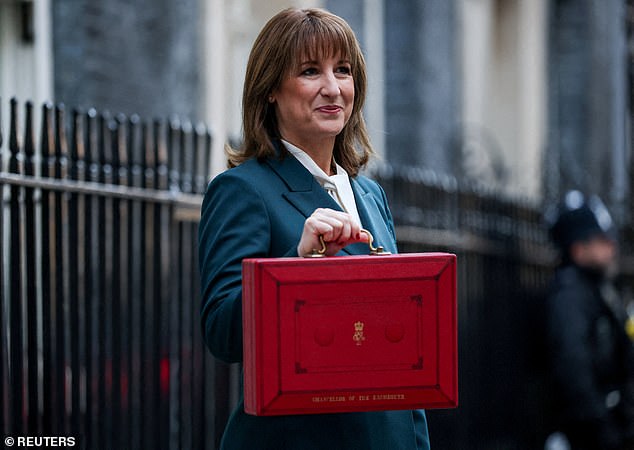
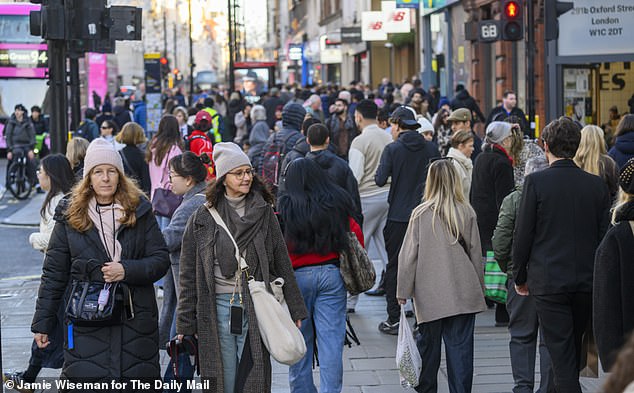
Retail analysts and opposition parties have pointed fingers at the current government’s fiscal policies, accusing them of presiding over a “flatlining economy and collapsing consumer confidence.” The impact is being felt acutely by retailers, who were already experiencing a quieter pre-Christmas period. Data from MRI Software indicated a 5.6 per cent decrease in high street footfall in the week leading up to Christmas compared to the previous year.
The Economic Squeeze on Shoppers
The current economic climate is forcing consumers to re-evaluate their spending. Key factors contributing to this are:
- Stretched Household Budgets: The majority of Britons are feeling the pinch, with increased living costs directly impacting their ability to spend on non-essential items.
- Taxation Policies: Concerns have been raised about recent tax increases. It is alleged that the government has introduced an additional £66 billion in taxes since the current Chancellor took office. This includes a substantial £25 billion raid on employers’ National Insurance contributions, a rise in the minimum wage, and an extension of a “stealth tax” on pay rises that is projected to push over 8.9 million people into a higher income tax bracket by 2030.
- Business Environment: Botched business rates reforms and new workers’ rights have also been cited as factors that have negatively impacted businesses and, consequently, consumer confidence.
Retailers Brace for a Bleak Festive Period
The anticipated slump in Boxing Day sales is another ominous sign for the nation’s struggling high streets. Forecasts suggest that January could be the weakest month for retail in four years, with data from the Confederation of British Industry indicating a bleak outlook. This comes amid rising unemployment, which has reached a five-year high of 5.1 per cent, and a Bank of England forecast of flatlining GDP growth in the final quarter of the year.
The predicted £3.6 billion in revenue from Boxing Day shoppers represents a significant shortfall, leaving many businesses in a precarious position. This financial blow follows a disappointing Black Friday, where sales unexpectedly fell by 0.1 per cent, according to the Office for National Statistics.
Shifting Consumer Habits and Digital Influence
While the overall outlook is concerning, some trends are emerging within the reduced spending pool. Of those who do plan to spend, half intend to brave the high street, while the remainder will be seeking bargains online. The average budget set by shoppers for the sales period is £253, a slight increase of £17 from last year.
The most sought-after items during the sales are expected to be:
- Clothes, shoes, and accessories (37 per cent of shoppers)
- Food and drink
- Beauty products
- Homeware
A notable quarter of shoppers plan to purchase only essential items. This cautious approach is further underscored by the fact that nearly half of those intending to buy beauty and skincare products will use the sales to restock their usual items at a reduced price.
The Rise of Online Bargain Hunting and AI
The convenience of online shopping continues to influence consumer behaviour, with two in five individuals expressing a preference for digital retail. To entice shoppers back to physical stores, retailers may need to implement strategies such as in-store-only discounts or complimentary items with purchases.
Interestingly, artificial intelligence is playing an increasingly significant role in the online shopping landscape. 37 per cent of consumers are leveraging AI for deal hunting, product research, and price comparisons. This figure rises to 53 per cent among younger adults aged 18 to 34, although a portion of these users express concerns that AI tools might encourage overspending.
A Evolving Retail Landscape
Despite the digital shift, the social and sensory experience of in-store shopping remains appealing to many. Those who do venture out to the high streets might benefit from potentially larger budgets, having potentially saved for the sales, and reduced competition from fewer shoppers.
Karen Johnson, Head of Retail at Barclays, commented on the evolving nature of the Boxing Day sales. She stated, “Shoppers have demonstrated just how cost-conscious they are throughout 2025, and we expect that we’ll see this play out during the Boxing Day sales.” She added, “Despite this, many still enjoy the social and sensory experience of visiting stores. Those that do hit the high streets might benefit both from bigger budgets, perhaps having held out for the sales, and potentially less competition, from fewer sales shoppers. Boxing Day is still a pivotal moment for retailers, fuelled by Christmas nostalgia, but it has evolved to reflect modern consumer demands. This year, we’re likely to see a balanced blend of online convenience, experiential retail and increasingly mindful purchasing.”
Government’s Response and Future Outlook
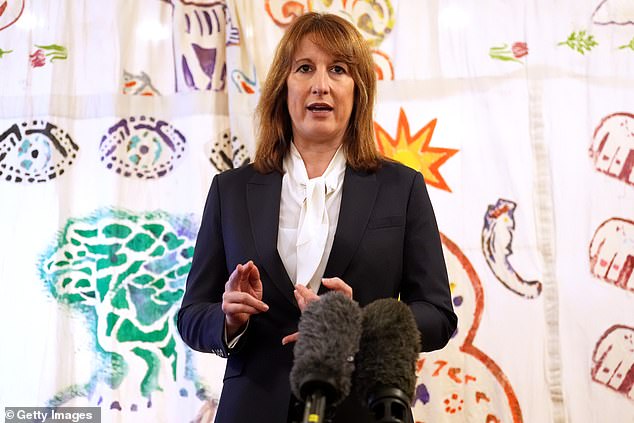
In response to the economic challenges, a government spokesman stated, “Breathing life back into our high streets is a vital part of bringing economic growth to every part of the UK, and we are committed to working in partnership with businesses and local communities to deliver this and back retail. We’re ensuring there is a level playing field between online and high street businesses, stamping out the scourge of late payments which disproportionately impacts small businesses, tackling retail crime, and are creating a fairer business rate system to incentivise investment, tackle empty properties and support entrepreneurship.”
However, critics argue that these measures are insufficient to counteract the immediate impact of increased taxes and a struggling economy. The coming months will be crucial in determining the long-term viability of many high street businesses as they navigate these challenging economic waters.