

The Unwanted Transformation of a Peaceful Village
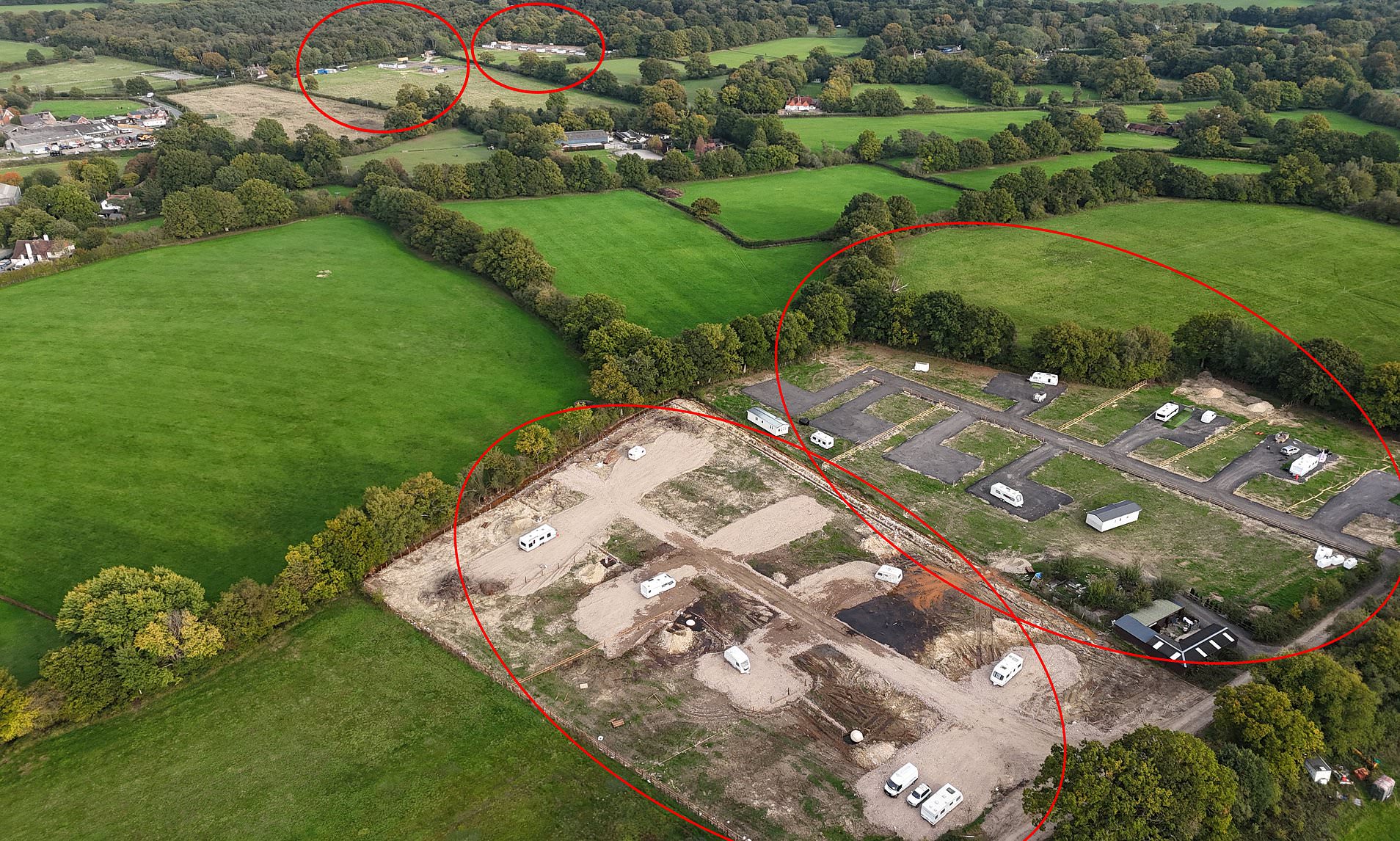
In the once tranquil parish of Horne, Surrey, the sound of bulldozers and tipper trucks has become an all-too-familiar noise. For the residents, this mechanical symphony signals the arrival of yet another traveller camp on nearby fields or former farmland—often without proper planning permission.
The process is swift and calculated. Land is ripped up, hardstanding is laid, drainage systems are installed, and caravan pitches are marked out before the local council even becomes aware of the changes. Usually, the travellers have already purchased the land, and construction begins on a Friday evening, taking advantage of the weekend when the council is closed. This gives them free rein to proceed unchallenged until Monday—or Tuesday if it’s a Bank Holiday.
By the time the council notices, the damage is done. The once-green site is transformed, and reversing the changes becomes a costly and lengthy battle. Residents often find themselves embroiled in legal disputes as the council issues temporary “stop and enforcement” notices while the travellers apply for retrospective planning permission. If their applications are rejected, they may appeal using Article 8 of the European Convention on Human Rights, which protects the right to private and family life.
Locals recall a moment when a balaclava-wearing traveller, confronted by a homeowner, responded with a blunt statement: “We’ve got families just like you—we’ve got to live somewhere.” This attitude highlights the tension between the villagers and the new arrivals.
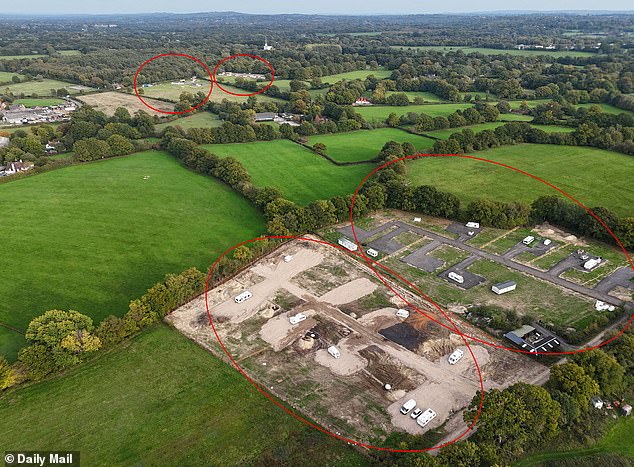
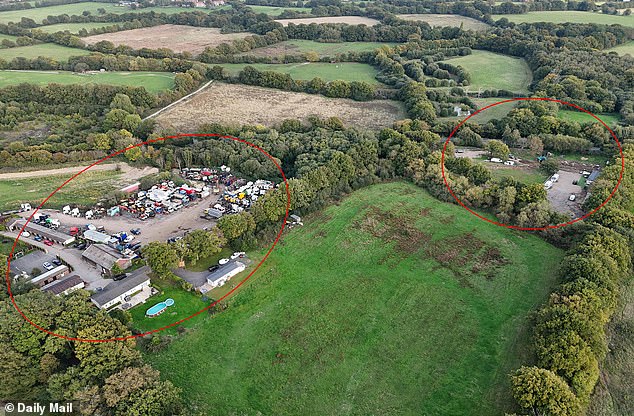
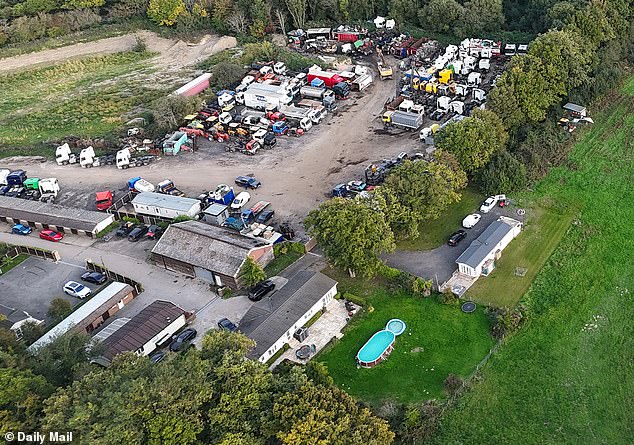
Horne, a charming rural parish with a population of around 950, has become a hotspot for these camps. At least six sites have appeared without planning permission in recent months, with three different caravan sites only 300ft apart. Homeowners feel outnumbered and increasingly frustrated.
The Horne Residents Association, formed to counter what locals call the “traveller invasion,” has mapped 14 such sites within a 2.5-mile radius of the parish, most appearing in the last two years. The situation reached a critical point last month when unauthorized work began at East Park Farm. A horrified homeowner described how the site was stripped of topsoil and drained, with caravans moving in by Friday. Despite the efforts of residents, the Tandridge District Council obtained a High Court interim injunction to prevent further development, but the threat remains.
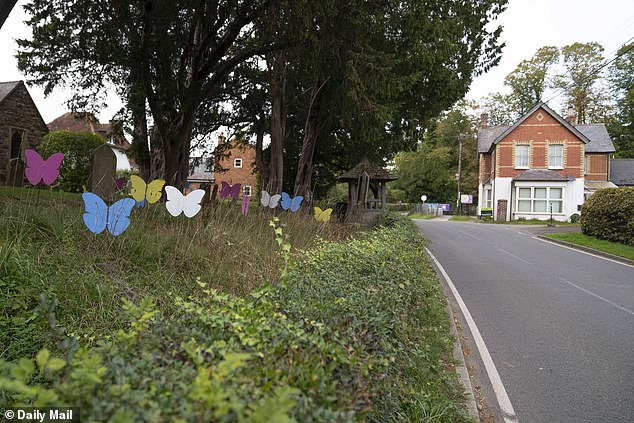
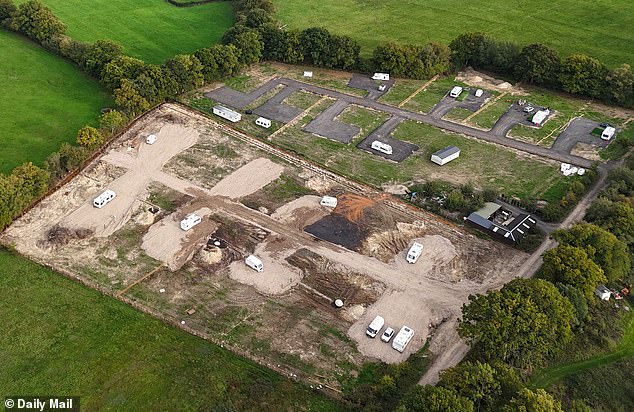
Desperation has led to discussions about using horseboxes and tractors to block roads if more travellers arrive. One resident emphasized that while they are law-abiding, the fear of losing control over their environment is real. “It’s an indication of people’s fear, how they’re trying to think of ways to take control when they feel totally powerless.”
Residents believe the travellers are well-organized, exploiting legal loopholes to achieve their goals. Some elderly homeowners avoid footpaths due to uncomfortable interactions with the newcomers. Catherine Sayer, leader of Tandridge District Council, warned that the repeated pattern of unauthorized sites could lead to serious unrest.

The council has issued five temporary stop notices and two interim injunctions in the past three months, but the challenge remains significant. While some camps have been permitted based on previous development or Grey Belt status, the issue continues to affect the community.
For many, the transformation of their peaceful surroundings into a landscape of caravans and mobile homes is devastating. One resident recently listed his home for nearly £100,000 less than its pre-invasion value, citing the impact on property prices and the loss of scenic views. “I used to look out over lovely green fields—now my view is caravans,” he said.
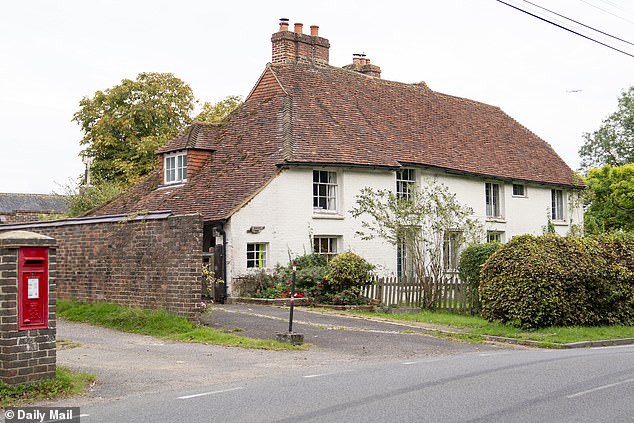
Sir Jeremy Hunt, the Conservative MP for Godalming and Ash, has called for action against unauthorized encampments, criticizing the lack of consequences for those who flout the rules. Meanwhile, the charity Friends, Family and Travellers argues that councils must provide permanent sites for these communities.
New planning policies allow for the development of traveller sites on Green Belt land under exceptional circumstances, placing pressure on local authorities to ensure a five-year supply of sites. Failure to meet this requirement can result in a “presumption in favour of sustainable development,” making approval of such sites more likely.
Back in Horne, another resident shared how the arrival of a camp changed their plans. “We moved here during Covid expecting peace and community. Now we live in constant fear of the next camp,” they said.
As the conflict continues, the question remains: Can the balance between the rights of travellers and the concerns of local residents be maintained? The answer seems as uncertain as the future of Horne itself.