

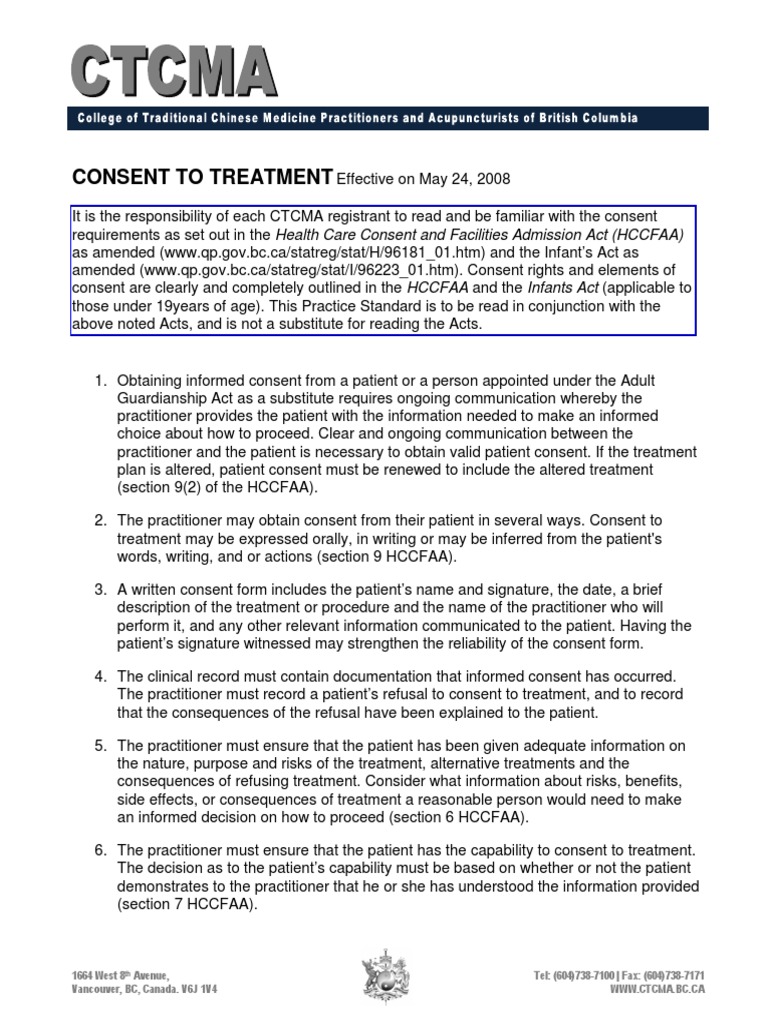
Medical professionals are underscoring the critical importance of obtaining patient consent before initiating any medical treatment or procedure. Failing to secure informed consent can expose healthcare providers to potential legal challenges. The fundamental principle of patient autonomy, a cornerstone of medical ethics, grants individuals the right to either accept or refuse medical intervention, even in situations where their life is at risk.
The Medical and Dental Council of Nigeria (MDCN) explicitly addresses this issue in its “Twelve Duties of a Physician in Nigeria,” specifically Rule 11A of the Code of Medical Ethics in Nigeria (2008 Edition). This rule unequivocally states that physicians must respect a competent patient’s right to accept or decline treatment.
Furthermore, Section 39 of the MDCN’s Code of Conduct Ethics delves into the clinical management of patients with specific religious beliefs, particularly focusing on Jehovah’s Witnesses who often decline blood transfusions. The code emphasizes the following points:
- Documentation of Religious Views: It is crucial to ascertain and meticulously document the patient’s religious beliefs in their medical records.
- Record Acceptance or Rejection: The patient’s decision to accept or reject treatment must be clearly documented and witnessed.
- Practitioner’s Willingness: The healthcare provider must determine if they are willing to work within the limitations imposed by the patient’s beliefs. If so, they should formulate an optimal care plan.
- Withdrawal of Care: If the practitioner is unable to accept the limitations, they should withdraw from providing care and refer the patient to another healthcare professional or facility that is willing to accommodate their wishes.
These pronouncements from medical experts follow a recent online discussion on X (formerly Twitter) involving Omolola Mensah, a breast cancer patient known as Auntie Esther. Despite a successful fundraising effort that garnered over N30 million for her treatment, Mensah refused a recommended blood transfusion, citing her religious beliefs as a Jehovah’s Witness.
Mensah shared on X that doctors discovered cancer in her breast and armpit and advised chemotherapy. However, she declined the blood transfusion, stating her intention to pursue alternative treatments to boost her blood count. This decision sparked significant controversy online, with some donors demanding refunds, arguing that their contributions were based on the understanding that she would receive standard medical care.
Despite the public outcry, medical professionals interviewed have reiterated that doctors are ethically and legally bound to respect a patient’s decision to refuse treatment.
Professor Tanimola Akande, a Professor of Public Health at the University of Ilorin, Kwara State, stressed the importance of consent in preventing unwanted or harmful procedures and protecting healthcare workers from legal action. He stated that a patient’s autonomy must be respected, and obtaining informed consent is a crucial step before any medical intervention.
Akande further clarified that healthcare providers must adhere to patients’ decisions regarding “Do Not Resuscitate” (DNR) orders and refusals of blood transfusions. In cases where blood transfusions are declined, alternative treatment options should be explored. He emphasized that patients have the right to refuse treatment, even if it could lead to death.
He also advocated for ongoing public health education to ensure individuals are well-informed about various treatment modalities and can make informed decisions about their healthcare.
Dr. Ebenezer Popoola, an Internal Medicine Physician, explained that patient autonomy is a core principle in medical ethics that allows patients to accept or refuse care, provided they possess the mental capacity to make such decisions.
Popoola emphasized that before obtaining consent, a doctor must assess the patient’s capacity and age to ensure they are capable of making informed decisions. He highlighted that consent must be “informed consent,” meaning the patient is provided with comprehensive information necessary to make a decision.
He elaborated, “There is information I will give to you that will make you consent or not consent. So the onus is on the doctor to ensure they give adequate information for that person to make that decision. If they don’t give the full scope of that information, maybe the patient might not get the grasp of it and then deny. But if you have given the full scope of that information, right from the importance of it, if it is medication, the side effects, or if it is a procedure, the complications, and also the risk of the person not doing that procedure, then you’ve informed the patient.”
If a patient refuses treatment after receiving comprehensive information, Popoola recommends escalating the case, involving senior consultants or department leaders to further explain the situation. He also pointed to Section 39 of the MDCN’s Code of Conduct Ethics, which specifically addresses the management of religious adherents, particularly Jehovah’s Witnesses who refuse blood transfusions.
In such cases, the physician explained that the next step is to have the patient sign a document acknowledging their refusal of treatment. This signed document provides legal protection for the doctor.
Regarding alternatives to blood transfusions, Popoola noted that medications can stimulate the body’s own blood production over time. These include erythrocyte-stimulating agents, folic acid, and iron supplements. He also mentioned that minimally invasive surgical techniques can reduce blood loss during procedures.
Popoola further explained the rationale behind obtaining patient consent, emphasizing that it is an ethical requirement in medicine. He distinguished between verbal consent, appropriate for simple examinations, and written consent, required for blood transfusions, surgeries, and research participation.
He cautioned against coercing patients who refuse treatment, stating that both Nigerian and UK medical guidelines discourage pressuring patients simply because they decline a treatment plan deemed best by the doctor.
“Because the patient said no to an idea or to a treatment plan that you think as a doctor is the best for the patient does not mean you should coerce them or does not mean that they are not making the right decision for themselves. So you have to, at some point, respect their decision and let it be,” Popoola stated.
When patients refuse treatment, doctors should respect their decision, seek input from colleagues, or refer patients to specialists who can offer alternative treatments. Additional counselling can also be beneficial, as some patients may agree to the recommended treatment after further discussion and understanding.