
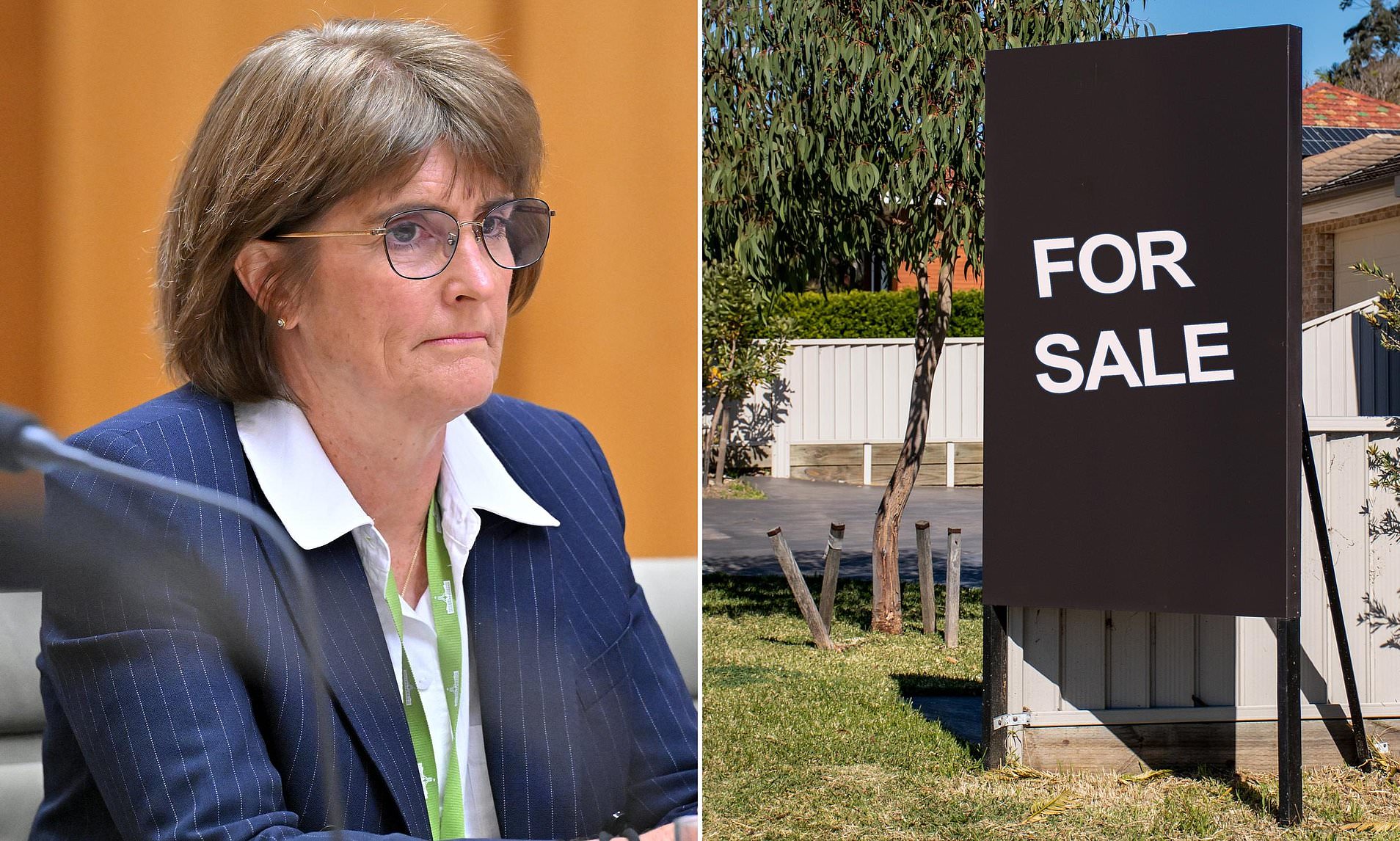
The Reserve Bank of Australia (RBA) has opted to maintain the current interest rate, delivering no relief to mortgage holders as the year concludes. This decision, widely anticipated and unanimously agreed upon by the central bank’s monetary policy board, keeps the cash rate at 3.6 per cent.
The prospect of a rate cut, once anticipated, has been diminished by the projected return of inflation in the latter half of 2025. This follows a period of easing, with 75 basis points cut since February. Current market sentiment and the consensus among economists suggest that the RBA’s easing cycle has concluded.
Some analysts even suggest that persistent inflationary pressures could compel the bank to consider raising interest rates as early as February.
RBA’s Stance on Interest Rates
During a recent press conference, RBA Governor Michele Bullock addressed the board’s deliberations. She clarified that the possibility of a rate cut was not considered during the meeting.
‘We didn’t explicitly consider the case for a rate rise at this meeting, but we did consider and discuss quite a lot the circumstances and what might need to happen if it we would decide that interest rates had to rise again at some point next year,’ Ms Bullock said.
‘We’ve been judging that financial conditions were still a little bit tight.’
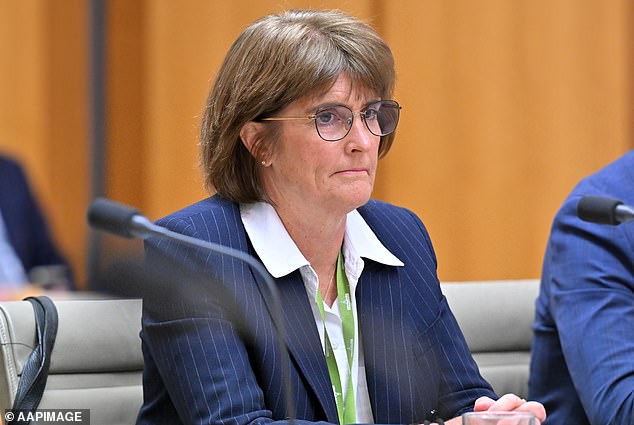
Ms. Bullock further elaborated on the conditions that could trigger a rate hike:
‘If inflation continues to be persistent and looks like it is not coming back down towards the target, then I think that does raise questions about how tight financial conditions are and the board might have to consider whether or not it’s appropriate to keep interest rates where they are or in fact at some point raise them.
‘But I wouldn’t put a timing on that. It’s going to be a meeting by meeting decision.’
The Governor also emphasized the board’s continued monitoring of the labor market in the coming months.
‘If the indications from these numbers… suggest there is still tightness in the labour market and inflation is not trending back down sustainably, that will be the question the board will be considering meeting by meeting,’ she said.
Impact on the Housing Market and Affordability
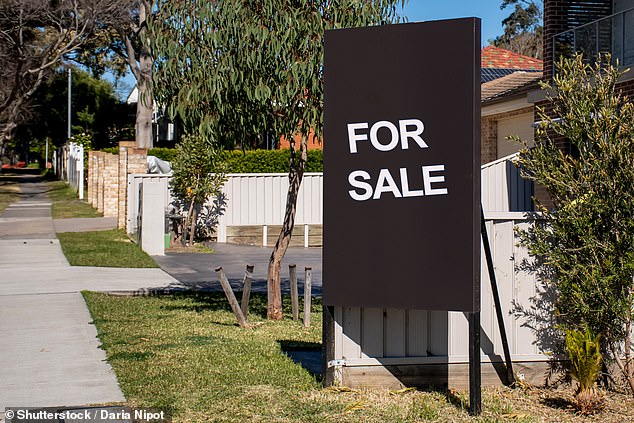
Domain chief economist Nicola Powell commented on the potential impact of the revised rate expectations on the housing market. She suggested that it could moderate the rapid price growth observed in the past year.
‘However, it doesn’t solve the deeper affordability issues,’ she said.
‘Mortgage holders are still managing repayments that are significantly higher than they were before the tightening cycle began in 2022.’
The current financial outlook for households and businesses is considerably more pessimistic than it was a few months prior, when bond traders were anticipating further rate cuts.
Business Confidence and Economic Indicators
Business confidence has experienced a significant decline, reaching its lowest point since April, according to the latest NAB monthly business survey. The index experienced a five-point decrease in November, but it still remains slightly above zero, indicating that a greater number of businesses are optimistic rather than pessimistic. Business conditions have also deteriorated, with a three-index point decline, as companies report weaker profitability and trading activity.
NAB chief economist Sally Auld offered some perspective on the survey results.
‘While the November result shows a break in the recent positive momentum in the survey, business conditions remain well above their early 2025 levels,’ she said.
Despite the slowdown in activity, capacity utilization has risen to its highest level in 18 months. The RBA has expressed concern that the economy is operating at its maximum capacity and that further growth could lead to increased inflation. Recent inflation figures revealed that the Consumer Price Index (CPI) increased to 3.8 per cent in the 12 months leading up to October, while underlying inflation rose to 3.3 per cent – both exceeding the RBA’s target range of two to three per cent.
Government and Opposition Reactions
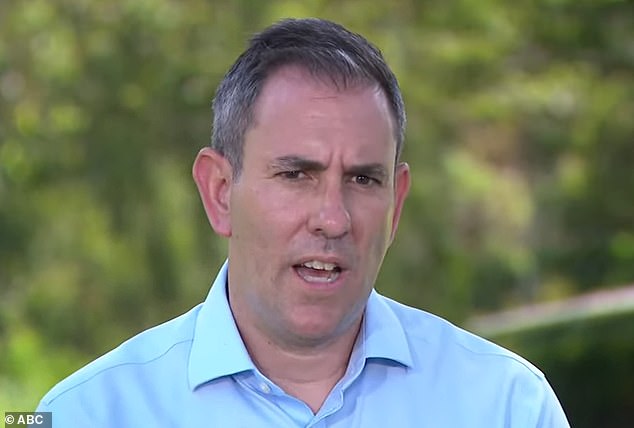
Treasurer Jim Chalmers acknowledged that many Australians would have preferred a rate cut but noted that the decision was widely anticipated by economists and markets.
He stated,
‘Inflation has moderated substantially since we came to office and that has given the Reserve Bank the confidence to cut interest rates three times this year,’ he said in a statement. ‘This is a reflection of the significant progress Australians have made together over the last few years.’
Shadow Treasurer Ted O’Brien offered a contrasting view, arguing that the RBA’s decision demonstrated the government’s inability to effectively manage the economy.
‘It’s tragic news for households just ahead of Christmas – to think that there will be no relief, and the year ahead will be even worse,’ he told reporters.
‘There are so many young Australians who cannot afford to buy a home, and every time they look at that online mortgage calculator, the numbers just do not add up.
‘Today’s decision will continue to see it very difficult to add up.’
Market Response
The Australian stock market exhibited a muted reaction to the RBA’s decision. The Australian dollar remained relatively stable at approximately 66.42 US cents, showing a slight increase of 0.3 per cent. However, local markets experienced further losses, with the ASX200 closing down by 0.4 per cent to 8,585 points and the All Ordinaries index falling by 0.4 per cent to 8,875 points.