
Imo State Takes the Lead in Raising Minimum Wage for Government Workers
Imo State has taken a significant step forward by implementing a new minimum wage of ₦104,000 for government workers. This move marks a major shift in the state’s approach to employee compensation and reflects the administration’s commitment to improving public service conditions.
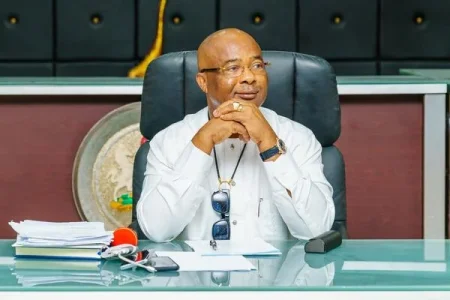
According to reports, state employees have received alerts confirming the updated wage structure, which has generated a sense of excitement and appreciation among workers. The implementation of this policy is seen as a direct result of Governor Hope Uzodimma’s promise to review and increase salaries for public servants.
Key Details of the New Wage Policy
The governor’s administration approved specific salary increments for different categories of workers:
- New government employees will receive ₦104,000 as their base salary.
- Medical doctors will be paid ₦513,000.
- Lecturers at state-owned tertiary institutions will start with an entry-level salary of ₦220,000.
This decision places Imo State at the top of the list when it comes to states offering wages above the national minimum of ₦70,000. Other states have also made adjustments, but none exceed Imo’s current rate.
Comparison with Other States
Here is a breakdown of the minimum wages offered by some Nigerian states:
- Imo State: ₦104,000
- Lagos State: ₦88,000
- Rivers State: ₦85,000
- Akwa Ibom and Bayelsa: Each offers ₦80,000
These figures highlight the growing trend of states increasing wages to improve the standard of living for their workers and stimulate local economies.
Impact on Economy and Workers’ Welfare
A statement released by the Special Adviser to the Governor on Public Enlightenment, Prince Eze Ugochukwu, emphasized the broader implications of the new wage policy. According to Ugochukwu, the initiative is not just about raising salaries—it is a strategic move to strengthen the state’s economy and enhance the welfare of its workforce.
He stated:
“Governor Hope Uzodimma’s administration is spearheading this considerable policy change, which is poised to have a substantial impact on the state’s economic and social well-being. The goal of this wage hike is to bolster the financial capacity of workers, empowering them to better address their requirements and invest in goods and services. This, in turn, would give a shot in the arm to local businesses.”
Ugochukwu added that the ripple effects of the wage adjustment will be far-reaching, leading to increased consumer spending and a boost in economic activity.
Broader Implications
The wage increase is not only a win for government employees but also a signal of the state’s commitment to long-term development. By investing in its workforce, Imo State aims to create a more stable and prosperous environment for both workers and businesses.
The policy is expected to encourage greater productivity, reduce the pressure on workers, and contribute to overall economic growth. As more states follow suit, the national landscape of public sector compensation may continue to evolve, reflecting a growing emphasis on fair wages and improved living standards.
Conclusion
Imo State’s decision to implement a higher minimum wage sets a precedent for other states to consider similar measures. With the focus on economic empowerment and worker welfare, this policy could serve as a model for sustainable development in Nigeria’s public sector.