

The Rise of the “Everything Rally” in Global Financial Markets
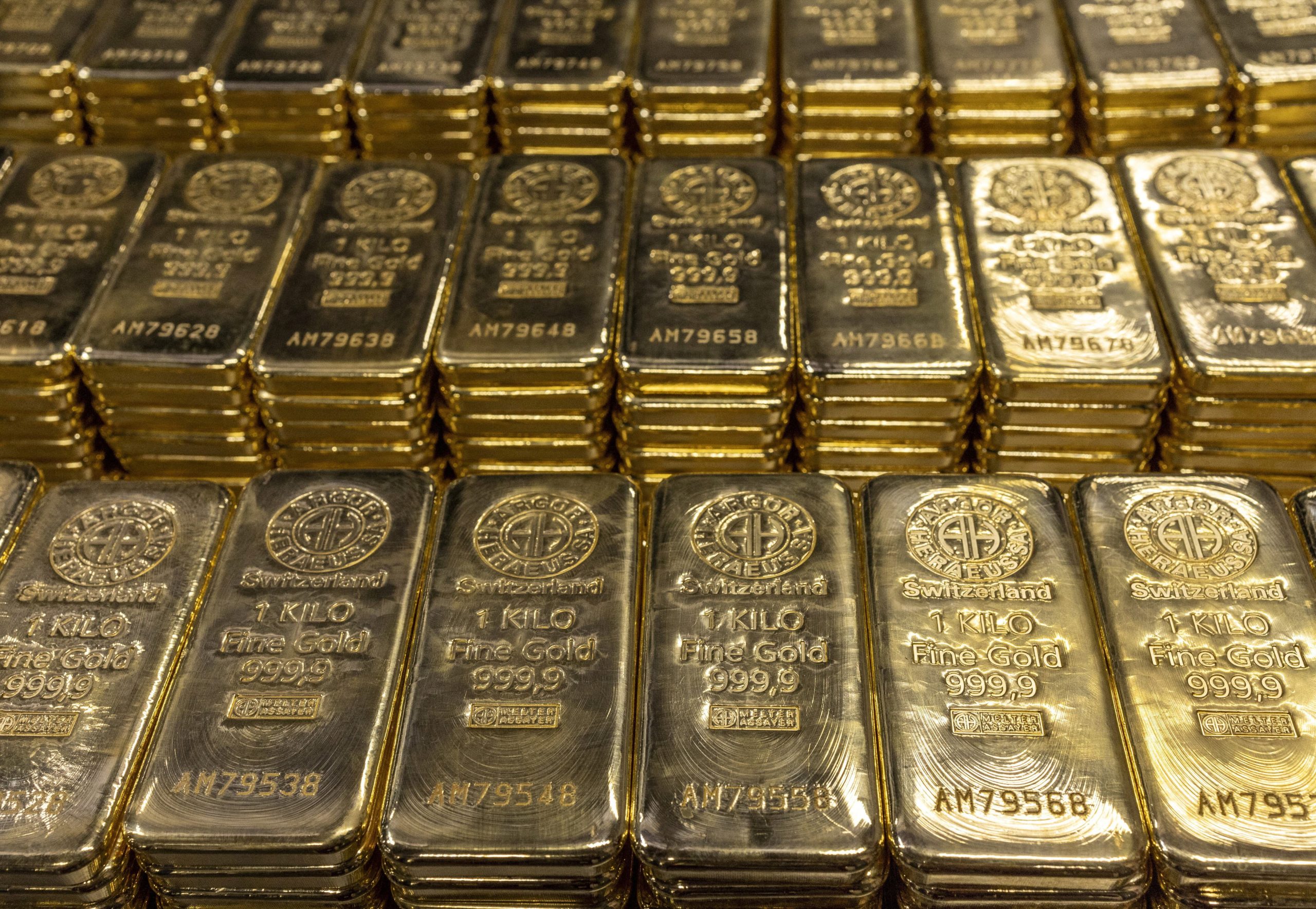
International gold prices have surged past US$3,900 per troy ounce, with the milestone of US$4,000 now within reach. This remarkable increase has coincided with record highs for the three major indices of the New York Stock Exchange and a breakthrough for Bitcoin, which surpassed US$125,000 on the 5th—marking a new all-time high. This phenomenon, known as the “Everything rally,” is characterized by the simultaneous rise of both safe-haven assets like gold and risk assets such as stocks and cryptocurrencies.
Historically, gold, considered a safe-haven asset, and risk assets like stocks and cryptocurrencies have shown an inverse relationship. The adage goes, “Gold rises when there is more anxiety, and stocks rise when there is more optimism.” When economic slowdown pressures increase and investors become more risk-averse, gold prices tend to climb. Conversely, when there is optimism about economic recovery, risk assets like stocks gain momentum.
However, this traditional pattern has recently been disrupted. Analysts suggest that the unusual simultaneous rally is driven by the massive liquidity injected into the global economy since the onset of the COVID-19 pandemic and the ongoing weakness of the U.S. dollar, fueled by expectations of further U.S. interest rate cuts.
Unstoppable ‘Gold Rush’…US$4,000 in Sight
On the 3rd, December gold futures on the New York Mercantile Exchange (NYMEX) closed at US$3,908.9 per troy ounce, surpassing the previous all-time high. International gold prices, which started the year around US$2,600 in January, first breached the US$3,000 mark in early April following U.S. President Donald Trump’s announcement of reciprocal tariffs, which sent shockwaves through financial markets. Within just six months, they have now surpassed the US$3,900 threshold. This year’s 48% increase mirrors the KOSPI’s 47.9% rise, making it the highest among major countries this year.
Current gold prices have far exceeded year-end forecasts by major global investment banks. The World Gold Council (WGC) attributes the recent surge to fear of missing out (FOMO) spreading among institutional investors. John Reed, WGC’s chief market strategist, told the Financial Times (FT), “Hedge funds that missed the gold price surge have started entering the market through ETFs (exchange-traded funds), fueling FOMO.”
HSBC forecast in a report on the 3rd that gold prices could rise above US$4,000 per ounce in the short term. Last month, Goldman Sachs predicted that if the independence of the U.S. Federal Reserve is undermined by pressure from President Trump, international gold prices could surge to US$5,000. If the worst-case scenario of shaken confidence in the Fed materializes, investors could withdraw funds from U.S. Treasuries—a safe-haven asset—and move them to gold.
Stocks and Bitcoin Also Surge…’Three Lows’ Fuel Rally
While major stock markets in the U.S., Japan, and South Korea continue to hit record highs, the MSCI World Index (ACWI), which includes 3,000 stocks from 47 developed and emerging markets, has rebounded 18% since the beginning of the year and about 34% from its April low. This indicates the recent stock rally is not limited to a few countries.
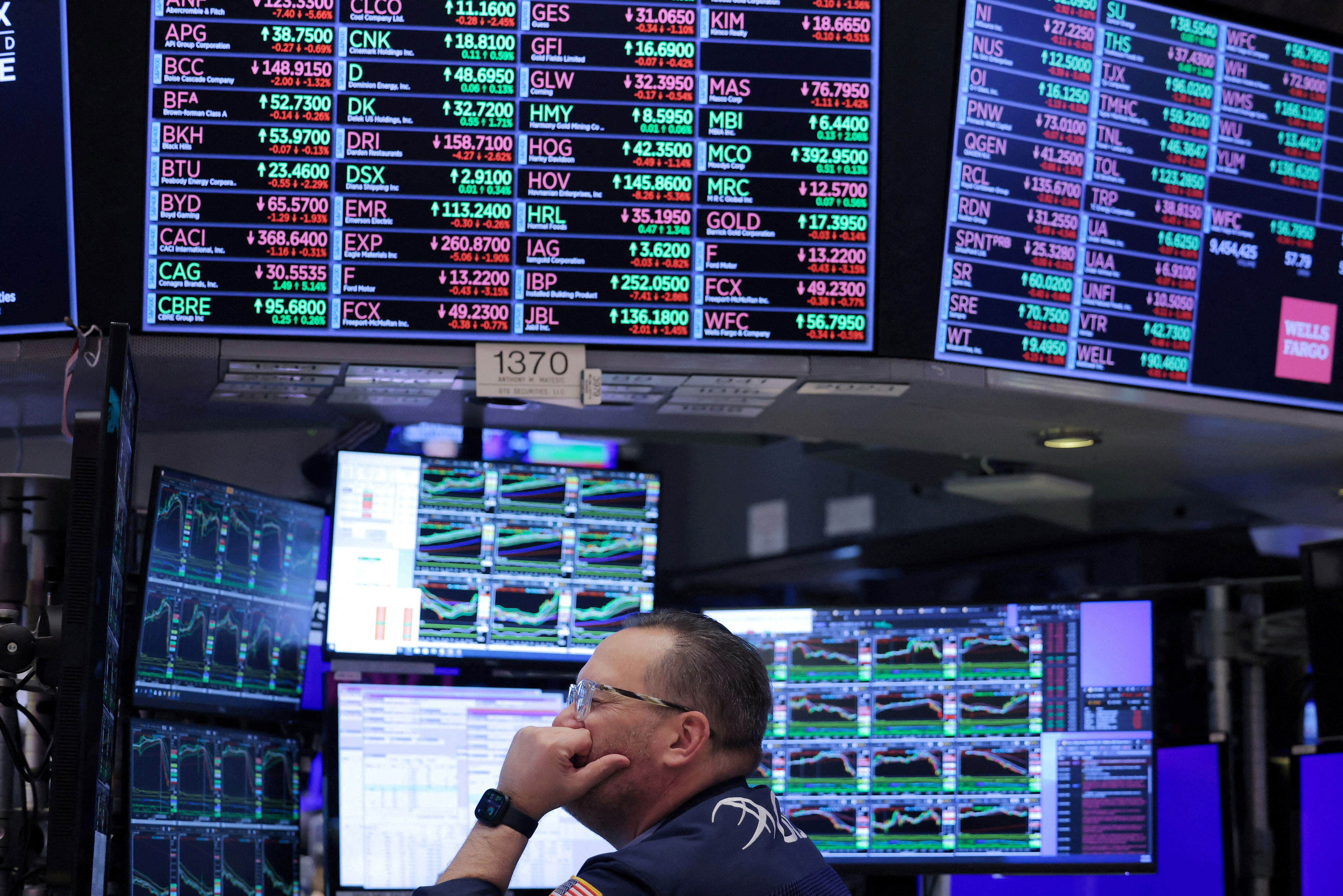
Financial Times columnist Robert Armstrong noted, “While there were few alternatives to U.S. stocks over the past decade, this trend is changing recently,” pointing to the simultaneous rally in U.S. small-cap stocks and emerging market equities. He added, “One possible explanation is that expectations of U.S. rate cuts have influenced the rise in emerging markets and interest-rate-sensitive small-cap stocks. However, if U.S. rate cuts and a weak dollar are the background of the recent rally, it does not explain why European stocks have been relatively underperforming.”
According to the Bank for International Settlements (BIS), cross-border bank credit worldwide reached a record US$34.7 trillion (approximately 4.9 quadrillion Korean won) as of the first quarter of this year. This figure has surpassed the previous record of US$33.6 trillion set before the Financial Services Commission. This reflects the surge in loans provided by global banks to governments, corporations, and financial institutions worldwide, indicating an overflow of liquidity in the global economy.
Projections suggest that the so-called “three lows”—low interest rates, a weak dollar, and low oil prices (around US$60 per barrel)—will strengthen the “Everything rally.” Park Sang-hyun, an iM Securities researcher, evaluated, “Although inflation, fiscal risks, and tariff uncertainties remain, the Fed’s accommodative monetary policy stance, the weak dollar trend, and low credit risks have sufficiently created an environment for funds to flow back into risk assets.”