
NSW Commuters Left Guessing as Free Public Transport Stays Off the Table
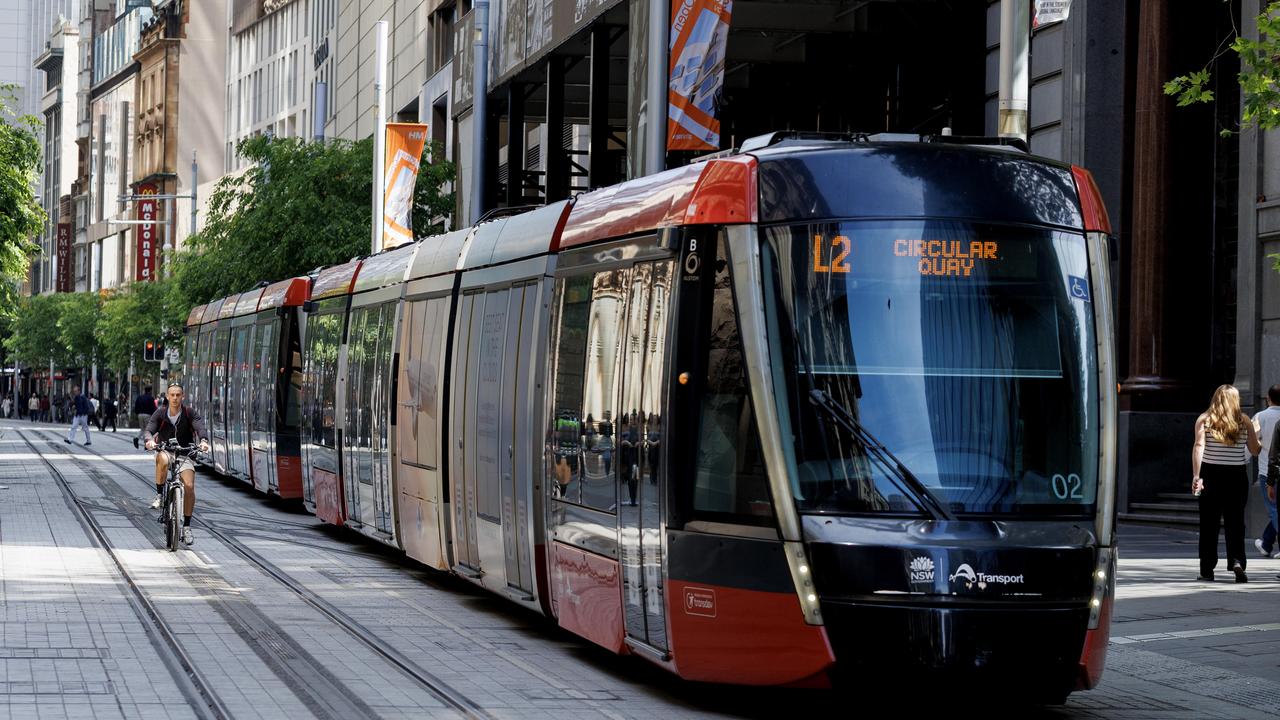
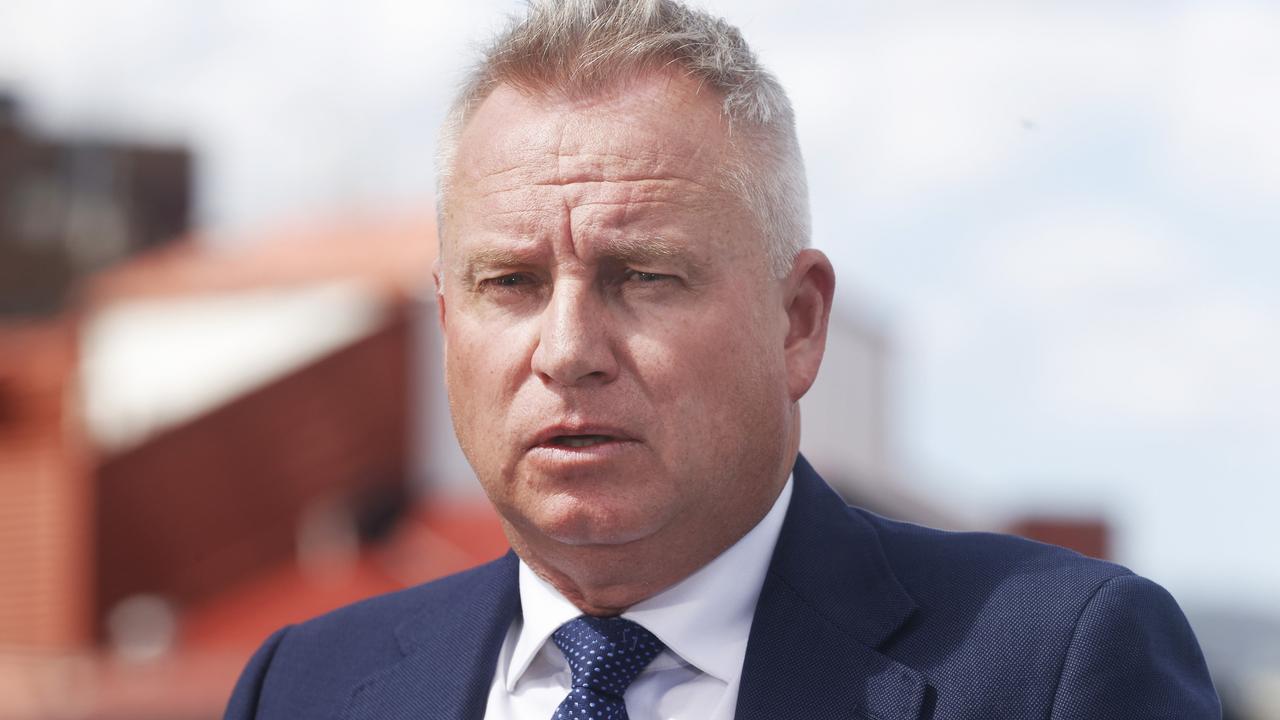
While Tasmania and Victoria roll out ambitious free public transport initiatives to ease cost-of-living pressures, New South Wales commuters will have to keep their wallets open. NSW Transport Minister John Graham has definitively stated that free public transport is not on the horizon for the state, a decision he believes will allow the government to “keep our powder dry” and support the broader economy.
“All that money goes back into the public transport system and making it reliable, making sure to have those trains turn up on time,” Mr Graham explained at a recent press conference. He stressed that the revenue generated from fares is crucial for maintaining and improving the state’s transport network.
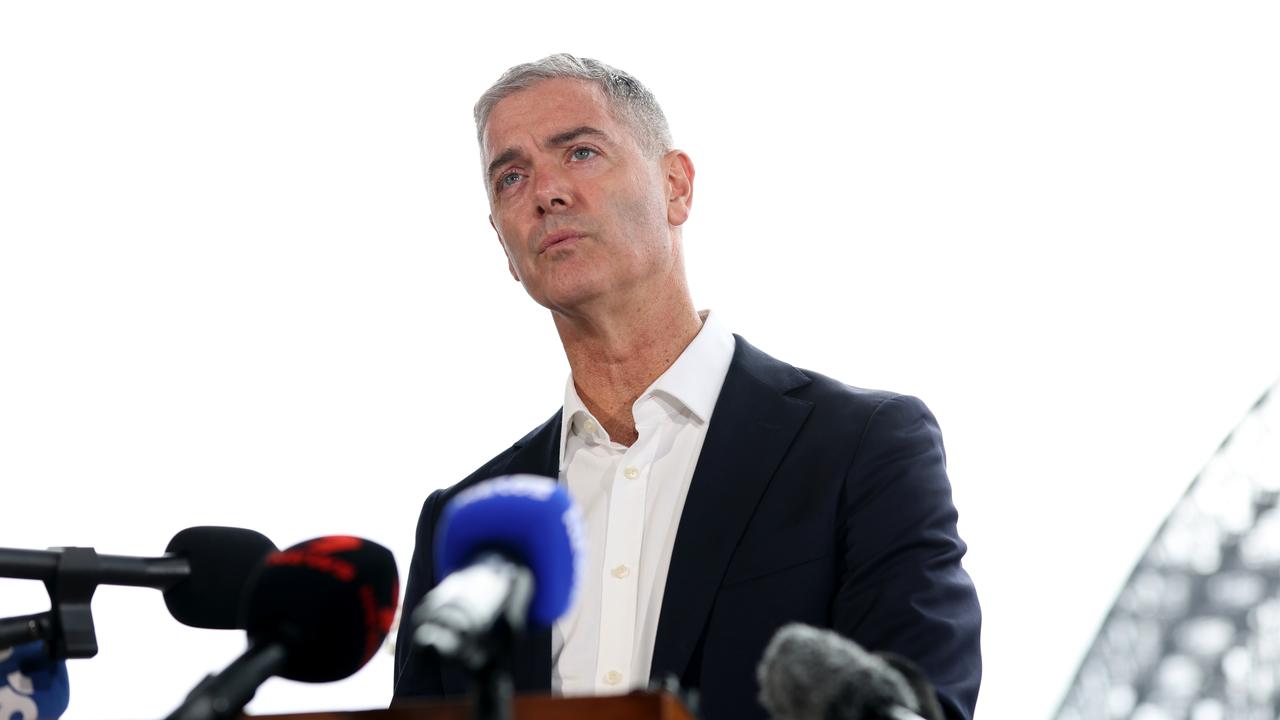
When questioned about the possibility of temporary fare reductions, particularly in light of potential disruptions, Mr Graham indicated that such measures were unlikely to be a short-term solution. “It’s less likely that we’re going to have fare-free transport for a couple of days or for the month of April, because this situation will last more than a month,” he stated, referring to ongoing concerns that necessitate “serious contingency planning.”
This stance from the NSW government has drawn criticism from the Opposition, with NSW Opposition Leader Kellie Sloane arguing that the government has “rejected every practical solution put forward.” Ms Sloane believes that free public transport, especially over extended periods like long weekends, would provide much-needed financial relief to families and support local businesses struggling with rising costs. “With petrol prices continuing to rise, and growing uncertainty of being able to fill up at the bowser, families deserve real relief,” she asserted.
The push for free public transport in NSW has also gained momentum from various advocacy groups. The NSW Rail, Tram and Bus Union, through its secretary Toby Warnes, has urged the government to “act now,” highlighting the successful implementations in Victoria and Tasmania.
Neighbouring States Lead the Way
The contrasting approaches of NSW’s southern neighbours are notable:
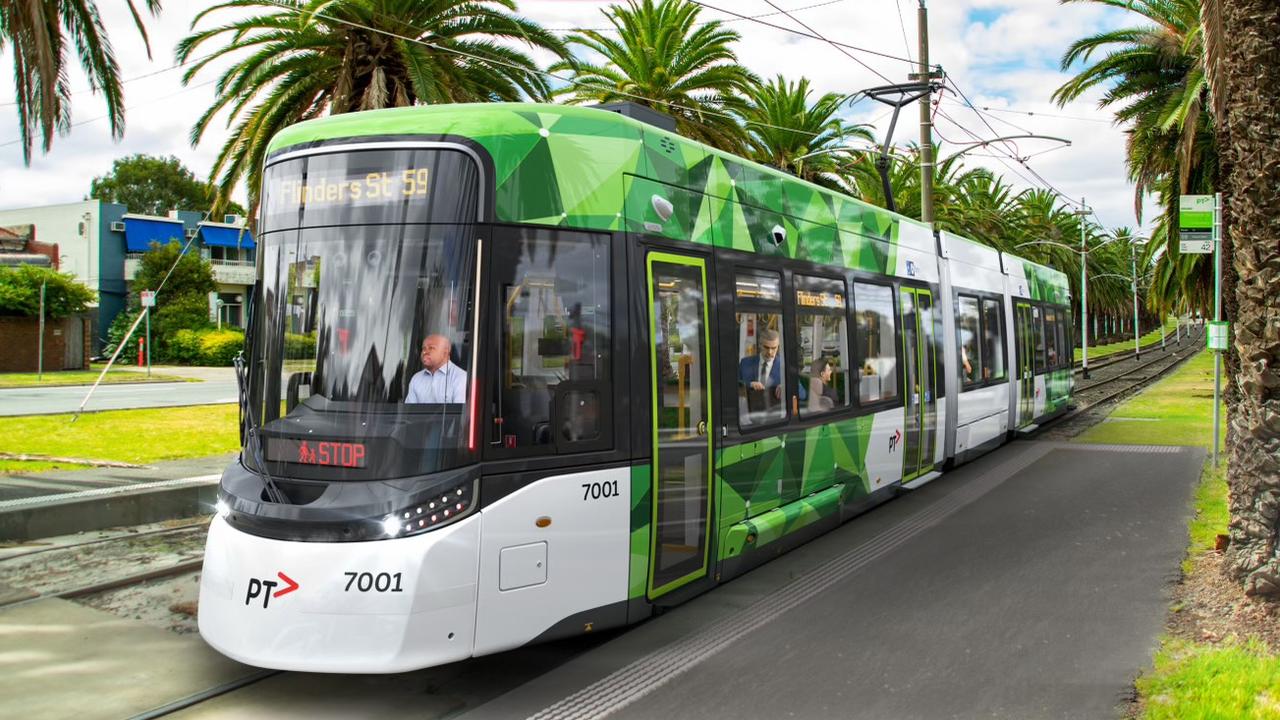
- Victoria: Commuters across Victoria are enjoying free public transport throughout April. This initiative encompasses buses, trams, and both regional and metropolitan train lines. Victorian Premier Jacinta Allan described it as a “temporary measure” aimed at alleviating the burden of rising fuel prices and the broader cost of living.
- “As premier, I’m determined to do everything within my control to help Victorians deal with rising fuel prices,” Ms Allan said.
- “This is a temporary measure to help with the cost of living – it will take pressure off the pump and help you save,” she added.
- The initiative is estimated to cost the government approximately $79.4 million and could save commuter households up to $500 each for the month.
- Tasmania: Tasmanians have also benefited from free bus travel, with the scheme running from March 30 until July 1. Tasmanian Premier Jeremy Rockliff emphasised the government’s commitment to “strong and decisive action” to shield residents from escalating petrol prices.
- “We know the rising cost of fuel is impacting the family budget, and that’s why we have again taken strong and decisive action to protect Tasmanians,” Mr Rockliff stated.
- “We are stepping up to support Tasmanians when they need it most, delivering one of the state’s most significant cost-of-living measures. Tasmanians are increasingly choosing to use public transport … that’s why from March 30, Tasmanians will not pay a cent on public bus routes, making buses more accessible and affordable for all,” he explained.
- The government encouraged residents to “hop on a bus and travel for free right around or great state.”
Union and Opposition Voice Concerns
The NSW Rail, Tram and Bus Union’s Toby Warnes argued that the government has a clear lever to pull in public transport fares to alleviate pressure on its citizens. “The fuel crisis is already having a devastating impact on local workers, families and industries. The NSW Government has a responsibility to act,” he said. “Public transport fares are a lever the state government has complete control of. The NSW Government has already waited too long, they need to act now.”
Mr Warnes also highlighted the environmental and societal benefits of encouraging public transport use. “Getting people out of cars and onto public transport has obvious benefits across the board. It’s beyond belief that the NSW Government still hasn’t announced free, or at least reduced, public transport fares for the people of NSW.”
Echoing these sentiments, Paul Toole, the shadow minister for regional transport and roads, pointed to the financial strain on families. “Families are being absolutely smashed right now,” he commented. “Fuel prices are through the roof, groceries are up, power bills are climbing, and for many families just getting from A to B is becoming unaffordable. Victoria and Tasmania have acted. NSW should be doing the same.”
While NSW grapples with its own economic considerations, the actions of Tasmania and Victoria present a stark contrast, leaving many NSW residents questioning when similar relief might be considered for their own commutes. The debate over the role and affordability of public transport in mitigating cost-of-living pressures is clearly far from over in the Harbour City.