
The Rise of Content Creation in Zimbabwe
Content creation in Zimbabwe has experienced a significant surge, with numerous creators sharing their impressive earnings on social media platforms. This trend not only showcases their success but also serves as an inspiration for others to pursue content creation as a viable source of income in an economy where formal employment opportunities are limited.
However, this growing phenomenon raises concerns about potential legal and tax implications. If the Zimbabwe Revenue Authority (Zimra) decides to investigate the earnings of content creators, it could lead to civil litigation or even criminal charges related to tax evasion.
The Role of Social Media in Business Promotion
With an increasing number of entrepreneurs in Zimbabwe, social media content creators play a crucial role in promoting new businesses. Their ability to reach a wide audience, particularly in countries like South Africa, the United Kingdom, the United States, and Canada, can significantly impact their revenue.
This is due to advertising metrics that vary by country. For example, 1000 views from the United States or South Africa can generate much higher revenue than 1000 views from Zimbabwe, where ad metrics are less lucrative. This disparity highlights the importance of understanding how different audiences contribute to a content creator’s income.
Labour and Tax Law Considerations
From a legal perspective, it is essential to determine whether content creators should be classified as independent contractors. In South Africa, independent contractors are clearly defined as self-employed individuals who manage their own tax affairs and are not eligible for social security benefits. However, Zimbabwe lacks a similar definition in its labour legislation.
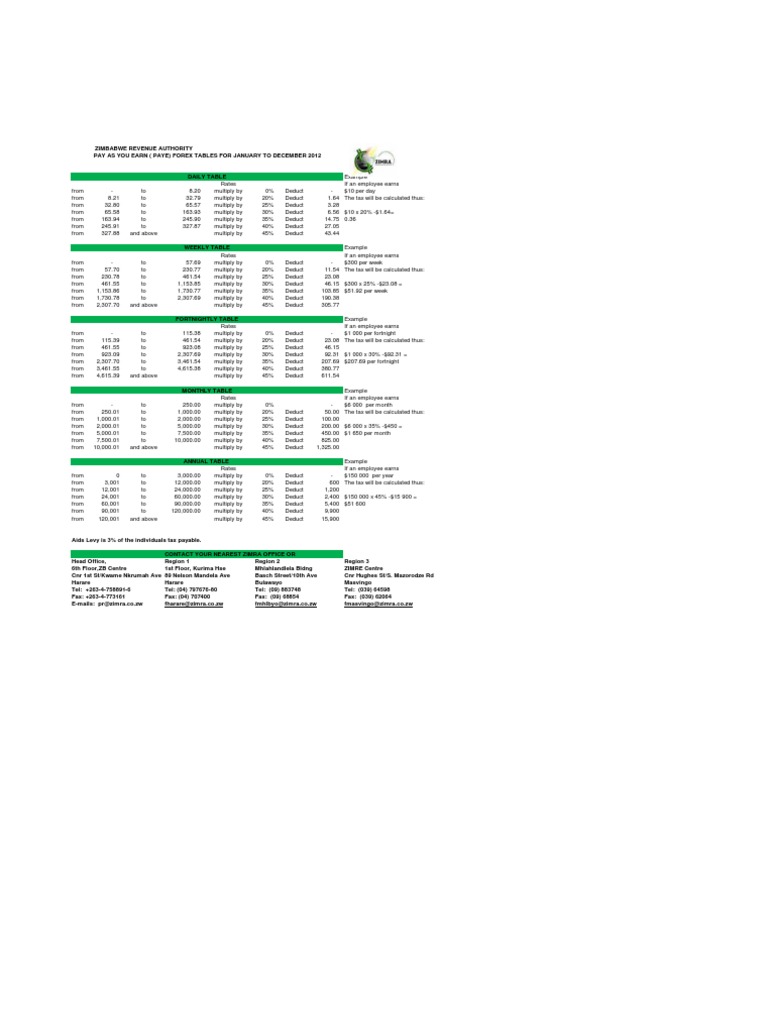
When content creators advertise goods and services for companies on their personal social media platforms, they may be considered independent contractors. This classification means that any income received from such activities would be subject to taxation under Pay as you earn (Paye).
Challenges and Risks
Content creators often receive income through international payment systems, which may attract the attention of the Ministry of Finance and Zimra. Without proper documentation, these creators may face challenges in proving their earnings, making them vulnerable to tax authorities estimating their taxable income.
Additionally, some creators may hire agents to handle their tax affairs, exposing them to potential fraud. These agents may take advantage of the creators’ lack of familiarity with legal jargon and tax procedures.
Proposed Solutions
To address these issues, it is recommended that Zimra, members of the arts and culture industry, the Ministry of Arts and Culture, and content creators collaborate to find a comprehensive solution. This collaboration could help avoid tax evasion and ensure that content creators are aware of their obligations.
Furthermore, financial literacy programs should be implemented to educate content creators about tax processes and protect them from potential swindlers. Encouraging participation in these programs can foster a sense of patriotism and responsibility among creators.
Recognizing the Contributions of Content Creators
It is vital to acknowledge the contributions of successful content creators who inspire Zimbabweans in the diaspora to invest in tangible assets and income-generating projects. By doing so, Zimra can adopt a lenient approach, recognizing the role of content creators as ambassadors of Zimbabwe.
Another form of leniency would involve informing content creators when taxation of their revenue will commence and what steps they need to take to prepare their accounts. If Zimra proceeds with taxing content creators, it should do so after prior consultation with relevant stakeholders to avoid any perception of an ambush.