
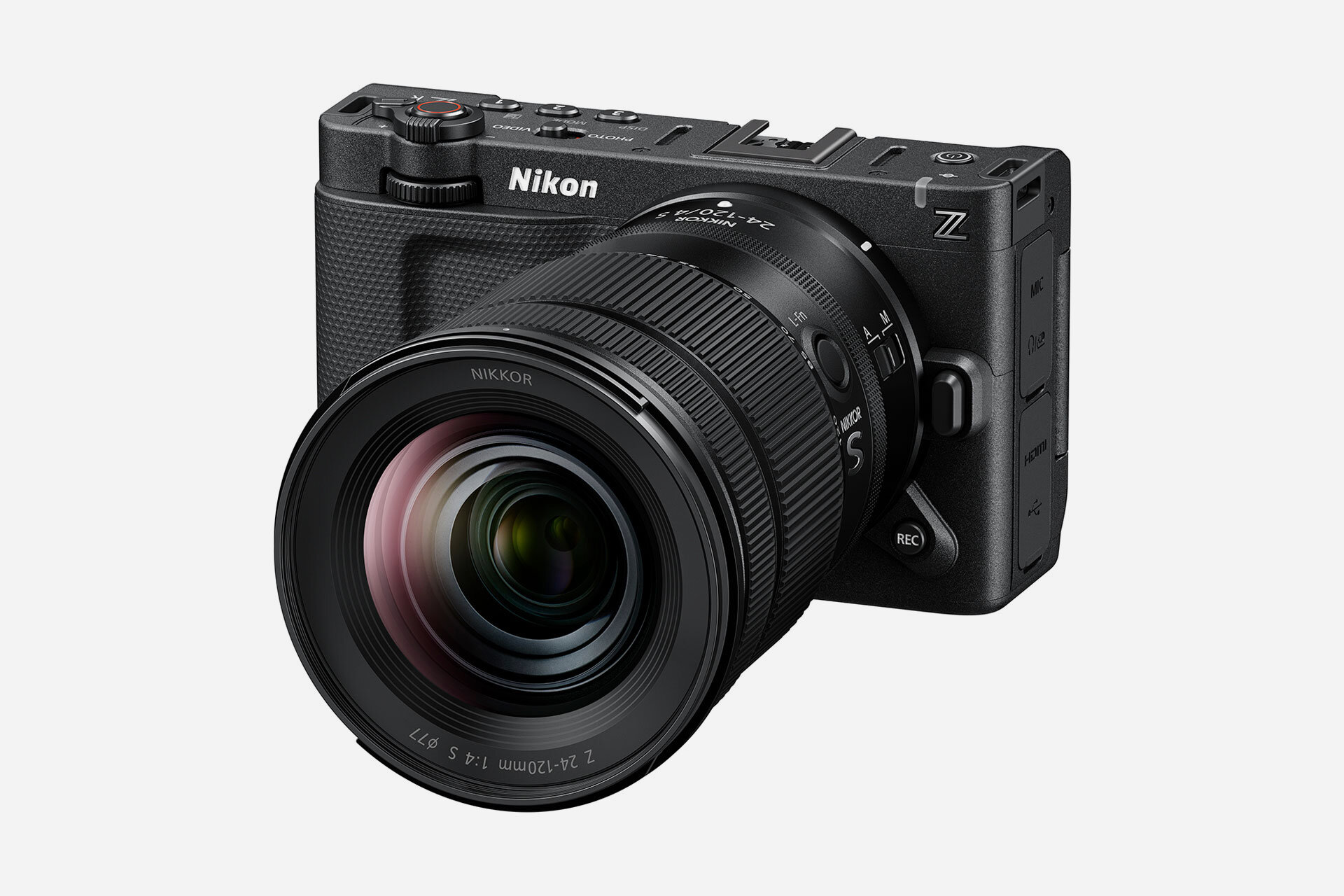
Nikon has officially launched its ZR cinema camera in Lagos, Nigeria, marking what the company describes as a significant advancement in accessible, creative, and technologically advanced filmmaking for content creators and visual storytellers across the African continent. The unveiling, which took place before a gathering of industry professionals, featured live screenings and technical demonstrations highlighting Nikon’s dedication to supporting Africa’s burgeoning creative sector.
Nikon representatives emphasized that Nigeria was selected as the launch location because of its vibrant culture and status as a wellspring of artistic inspiration, pointing to the dynamism of Lagos, the global popularity of Afrobeats music, and the established influence of Nollywood. The ZR camera, according to Nikon, embodies a philosophy of “effortless excellence,” positioning it as a tool that democratizes cinematic storytelling.
A highlight of the event was the presentation by Oluseyi Magic, CEO of Ray Magic Studios, who had the opportunity to test the ZR camera prior to its official release. Magic, a longtime Nikon user, created a short film using only the ZR, without relying on bulky cinema rigs or specialized accessories.
Magic shared his impressions with the audience, stating that he was “surprised and deeply impressed” by the camera’s performance in low light, its accurate color reproduction, its stability, and its compact design. “It was my first time shooting a movie,” he explained. “I expected lower performance, but what I got was something exceptional. We shot in bright daylight and in conditions with almost no light. I pushed the camera to its limits, and it delivered beautifully.”
Veteran filmmaker Tunde Kelani also spoke highly of the ZR, calling it “fantastic” and easily accessible. He mentioned using the ZR while working on a new version of his 1995 film, Koseegbe.
Kelani noted, “The technology may change, but the theory of storytelling remains the same. This camera delivers all the time. At this stage in my career, the ZR is another opportunity for expression over the next ten years.”
Executives from Nikon Middle East and Africa, including Akshay Talwar, explained that the ZR’s development followed Nikon’s acquisition of RED Digital Cinema, a U.S.-based company renowned for its high-end digital cameras used in Hollywood productions. Talwar characterized the merger as a synergy between Nikon’s extensive expertise in optics, accumulated over a century, and RED’s pioneering advancements in digital cinema technology.
Nikon showcased the ZR’s technical capabilities, which include:
- 6K RAW Recording: Enabling high-resolution video capture with maximum flexibility in post-production.
- Wide Dynamic Range: Capturing a greater range of light and shadow detail for more realistic images.
- Advanced Sensor Design: Optimizing image quality and low-light performance.
- Robust Cooling System: Ensuring reliable operation during extended shooting sessions.
- AI-Driven Autofocus: Providing fast and accurate focus tracking for sharp imagery.
- In-Body Image Stabilization (IBIS): Minimizing camera shake for smoother footage.
- Versatile Z-Mount: Compatible with a wide range of lenses, including cinema, vintage, and third-party options.
Talwar, who also serves as Head of Sales and Strategy for Nikon Middle East and Africa, announced the launch of a free camera loan program in Nigeria in partnership with New Creation Nigeria. This initiative will allow emerging filmmakers to borrow demo units of the ZR. He further stated that the company is developing flexible payment plans and partnerships with rental houses to make the ZR more accessible to a wider range of users.
Wildlife and travel filmmaker Yobel Mucheng, known as Yobelprize, shared his positive experiences using the ZR in demanding environments. He emphasized its 15-stop dynamic range, seven-and-a-half-stop image stabilization, and enhanced audio capabilities. He noted being able to capture stable footage even while walking backwards through a forest.
Given that Nigeria is among Nikon’s top three markets in Africa, the ZR is seen by industry stakeholders as a significant step toward making cinema-quality filmmaking more accessible in the country, thereby opening new possibilities for both established professionals and up-and-coming storytellers.