

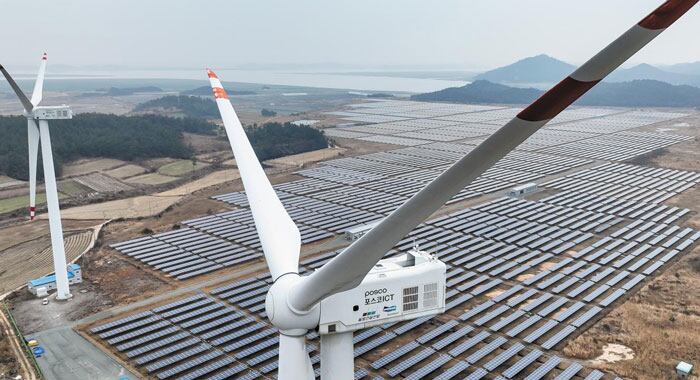
Output control measures in South Korea, designed to manage power oversupply from renewable energy generation, have surged dramatically this autumn, exceeding a fourfold increase compared to the previous year. This surge highlights the growing pains associated with the nation’s rapid expansion of renewable energy sources, particularly solar and wind power. The fundamental issue lies in the insufficient capacity of the existing grid infrastructure to handle the fluctuating and sometimes excessive power output, leading to frequent shutdowns of renewable energy plants.
Data reveals the extent of the problem. Between September 20 and November 16, output control measures were implemented on 25 separate occasions over 58 days. This translates to a forced shutdown of renewable energy plants approximately once every 2.3 days to prevent oversupply and maintain grid stability. In stark contrast, the same period in 2023 saw no such output controls, and the entire year experienced only six instances. The exponential rise in these measures this year underscores the urgent need for a more comprehensive approach to renewable energy integration.
The period in question was designated by the government as the “Autumn Peak Load Period Power System Stabilization Measures,” aimed at mitigating power supply-demand imbalances that typically occur during the autumn months. While insufficient power generation can lead to blackouts and other problems, an oversupply can be equally disruptive, destabilizing grid frequency and potentially causing widespread outages.
The challenges are particularly acute during spring and autumn. These seasons are characterized by increased renewable energy generation, especially from solar power, due to favorable weather conditions. Simultaneously, demand for heating and cooling energy decreases significantly, leading to a surplus of available power. To manage these fluctuations, the government implements various stabilization measures, including minimizing coal-fired power plant operations, adjusting nuclear power plant maintenance schedules, and optimizing the charging times of energy storage systems (ESS).
Despite these efforts, the frequency of output controls remains alarmingly high. Experts in the energy sector contend that the government’s overwhelming focus on expanding renewable energy generation capacity, without adequate investment in energy storage solutions (ESS) and grid infrastructure upgrades, is the primary driver behind the surge in output controls. The emphasis has been on increasing the “supply” of renewable energy without simultaneously addressing the critical need for effective storage and transmission capabilities.
The imbalance between renewable energy growth and grid infrastructure development is further illustrated by comparative data. A U.S.-based energy think tank, IEEFA, reports that South Korea’s renewable energy capacity expanded sixfold between 2013 and 2023. However, during the same period, the nation’s transmission and distribution networks grew by only 14% and 22%, respectively. This significant disparity highlights the urgent need for substantial investment in grid modernization to accommodate the increasing influx of renewable energy.
The current administration continues to prioritize the rapid expansion of renewable energy, as evidenced by the recent announcement of a land-based wind power expansion strategy. However, critics point out that the government has yet to articulate concrete plans for expanding grid infrastructure to handle the growing renewable energy output or address local resistance to the construction of new transmission lines. Public opposition to new power lines, often due to concerns about aesthetics and potential health impacts, has become a major impediment to grid expansion projects.
One industry insider suggested that the government should consider opening up Korea Electric Power Corporation’s (KEPCO) monopoly on grid construction to private entities to accelerate the pace of grid expansion. Allowing private companies to invest in and develop grid infrastructure could potentially inject much-needed capital and expertise into the sector, helping to alleviate the bottleneck that is currently hindering the integration of renewable energy sources. The government’s challenge is to find a way to balance its commitment to renewable energy expansion with the equally important need to modernize and expand the grid infrastructure to ensure a reliable and stable power supply for the nation.