
The Dispute Over GP Earnings and NHS Reforms
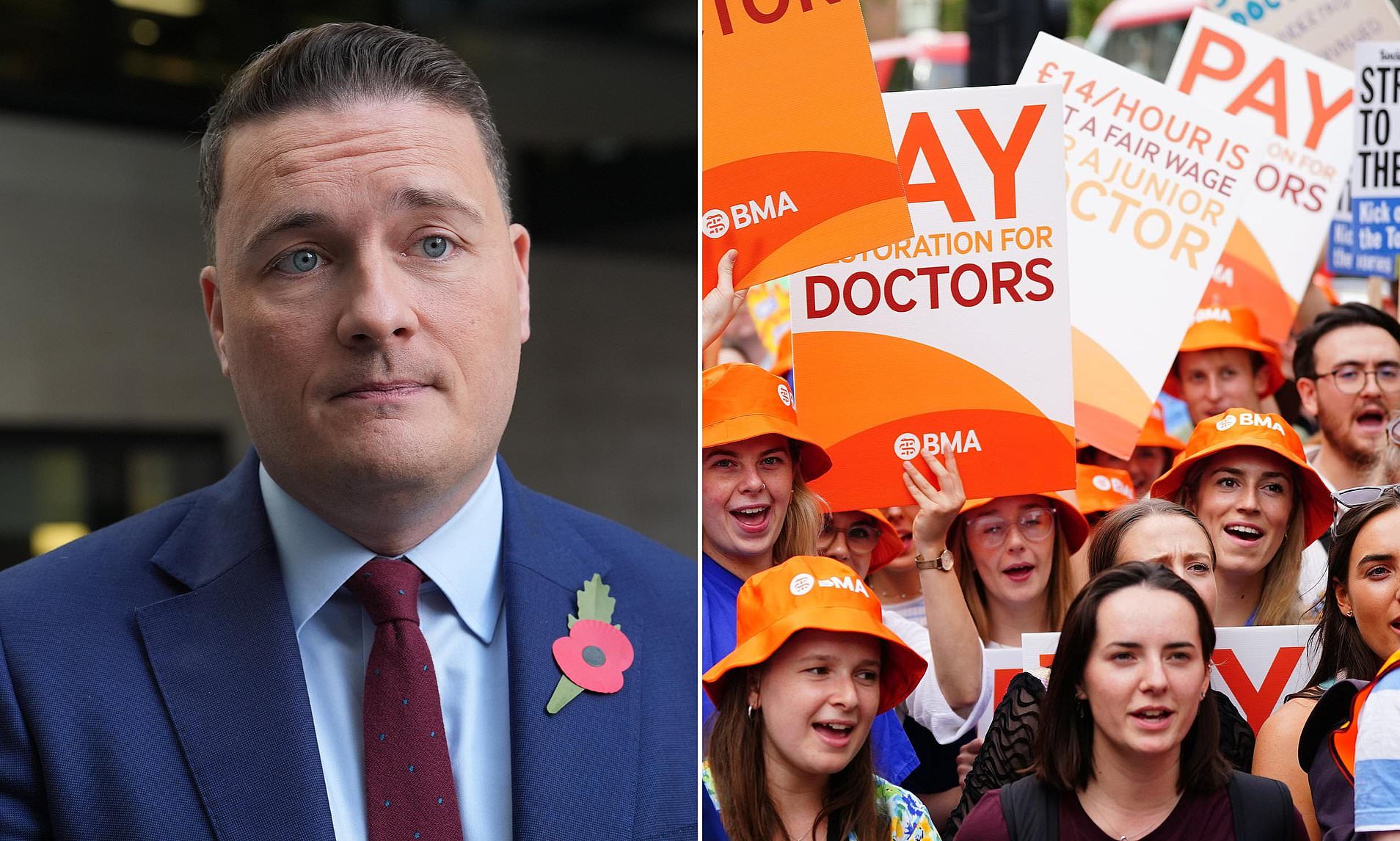
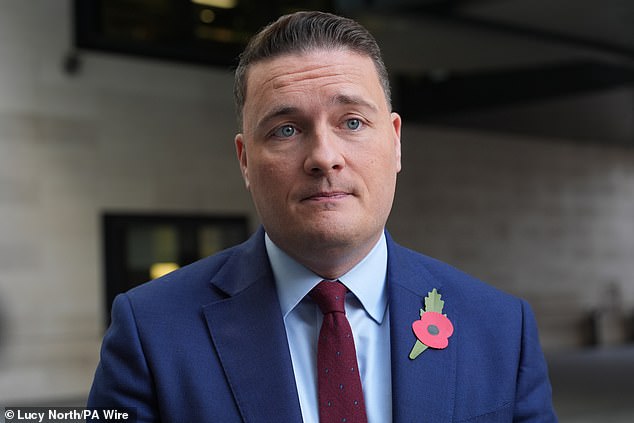
The ongoing conflict between the UK government and the British Medical Association (BMA) has brought to light significant issues surrounding General Practitioner (GP) earnings and healthcare reforms. Health Secretary Wes Streeting recently revealed that a third of GPs earn more than the Prime Minister, highlighting a growing concern about the disparity in income within the medical profession.
Streeting has been at odds with the BMA since October, as the union opposes measures requiring all GP practices in England to offer online booking for non-urgent requests. This includes medication queries and administrative tasks during working hours. Streeting criticized the BMA’s stance, calling it “baffling” and “absurd,” particularly given the difficulty patients often face in booking a GP appointment compared to getting a haircut.
Despite the BMA’s claims that doctors lack the resources to implement these changes, the Department of Health released data showing that a third of GP partners earned over £175,000 last year. For context, Sir Keir Starmer, the Prime Minister, received a gross annual salary of £172,153 for his roles as an MP and Prime Minister.
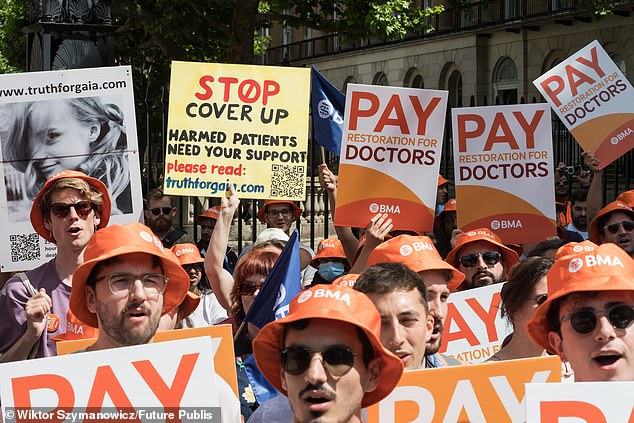
The situation has further escalated as the BMA faced criticism for what some describe as “dangerous extremism.” Last month, dissident activists within the union urged GPs to overwhelm Accident and Emergency departments as a form of protest against broader healthcare reforms. This led to increased scrutiny of the BMA’s leadership and its approach to negotiations.
According to recent statistics from the Department of Health, one in six GP partners earned more than £225,000 in 2023-24. Over the past decade, GP earnings have risen by £37,000, with an additional £18,500 increase in the last year alone. The top 10% of GP partners earned over £256,400, underscoring the wide variation in income among medical professionals.
In May, Streeting agreed to a four per cent pay award for consultants, specialty doctors, specialists, and GPs, which was backdated to the previous month. However, this has not quelled the tensions within the NHS, as unions continue to push for higher pay increases.
The Institute for Fiscal Studies noted that between 2010 and 2024, earnings across the population grew at their slowest rate in over 200 years. This context is crucial when evaluating the current disputes over pay and working conditions.
The figures on GP earnings were based on research conducted by NHS England Digital, which analyzed anonymized tax data from HMRC self-assessment records. A Department of Health spokesman emphasized that it is “not credible” for the BMA to claim they lack the resources to deliver online consultations. The government has invested an extra £1.1 billion in general practice and recruited 2,500 more GPs to ensure modern services are available.
However, the situation remains tense as Labour struggles to contain fresh NHS strike threats. Unions have dismissed the idea of a 2.5 per cent pay rise, arguing that it fails to address rising living costs. The government warned that any increase above this level could lead to service cuts and staff reductions, emphasizing the financial constraints facing the NHS.
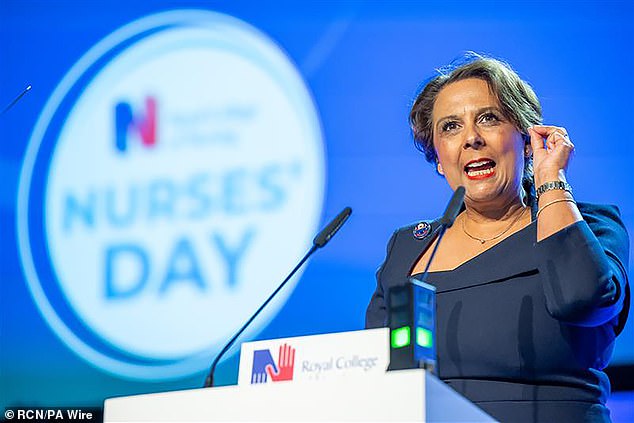
Health Secretary Wes Streeting accused the BMA of “reckless posturing,” warning that strikes would harm patients and hinder efforts to reduce waiting lists. Nicola Ranger, head of the Royal College of Nursing, described the latest proposal as “derisory,” stressing the need for urgent and fundamental pay reform.
As the debate continues, questions remain about the justification for high GP salaries, the impact of potential strikes on patient care, and the long-term sustainability of the NHS. The coming months will be critical in determining how these disputes are resolved and what they mean for the future of healthcare in the UK.