


The Thrill Of The Unknown

When daylight slips away, curiosity steps forward. Suddenly, a new hobby or a strange idea doesn’t seem so far-fetched because judgment from the external world is limited. The edges feel softer, the rules less strict. Even fear turns into fuel, pulling you toward experiences you can’t help but want to try.
Romantic Connection

With fewer distractions, messages feel more intentional and moments more genuine. The timing matters since your mind is more open when the day’s demands ease. This is when shared words or touches carry extra weight to build intimacy that daytime hours often rush past.
Creative Sparks

Ideas flow differently when the world is still. For some, the brain’s quiet mode activates, connecting fragments into new patterns. Without interruptions, even the smallest thought can grow into something valuable. That’s why so many creative works take shape long after most people have gone to bed.
Emotional Closure

Once the noise fades, unfinished emotions tend to reappear. They might come as a memory, a question, or an ache you can’t name. The stillness encourages you to face them, sometimes with pen in hand. This nightly processing—known as “nocturnal cognition”—often shapes tomorrow’s mood more than you realize.
Dreams

The quiet before sleep can be a planning ground. Here, ambitions feel possible, unchallenged by outside voices. Simple acts, such as jotting down a goal, can make it tangible. Many find that this nightly habit becomes a silent partner in turning distant dreams into tomorrow’s steps.
Mental Escape

Did you know that YouTube watch time peaks after 10 PM globally? Oh yes, and that is because for some, late hours double as an exit door. A movie or a scroll through videos gives the mind a break. The anonymity of night shields you from expectation, allowing a few guilt-free moments.
Self-Indulgence

Your brain’s chemical shifts make small pleasures harder to resist at night. This is when the treat you’ve held off during the day seems like a good idea. The extra purchase or the fantasy during these hours also feels almost necessary. Recognizing the timing can help you decide whether it’s hunger or just the hour nudging you.
Moments Of Peace
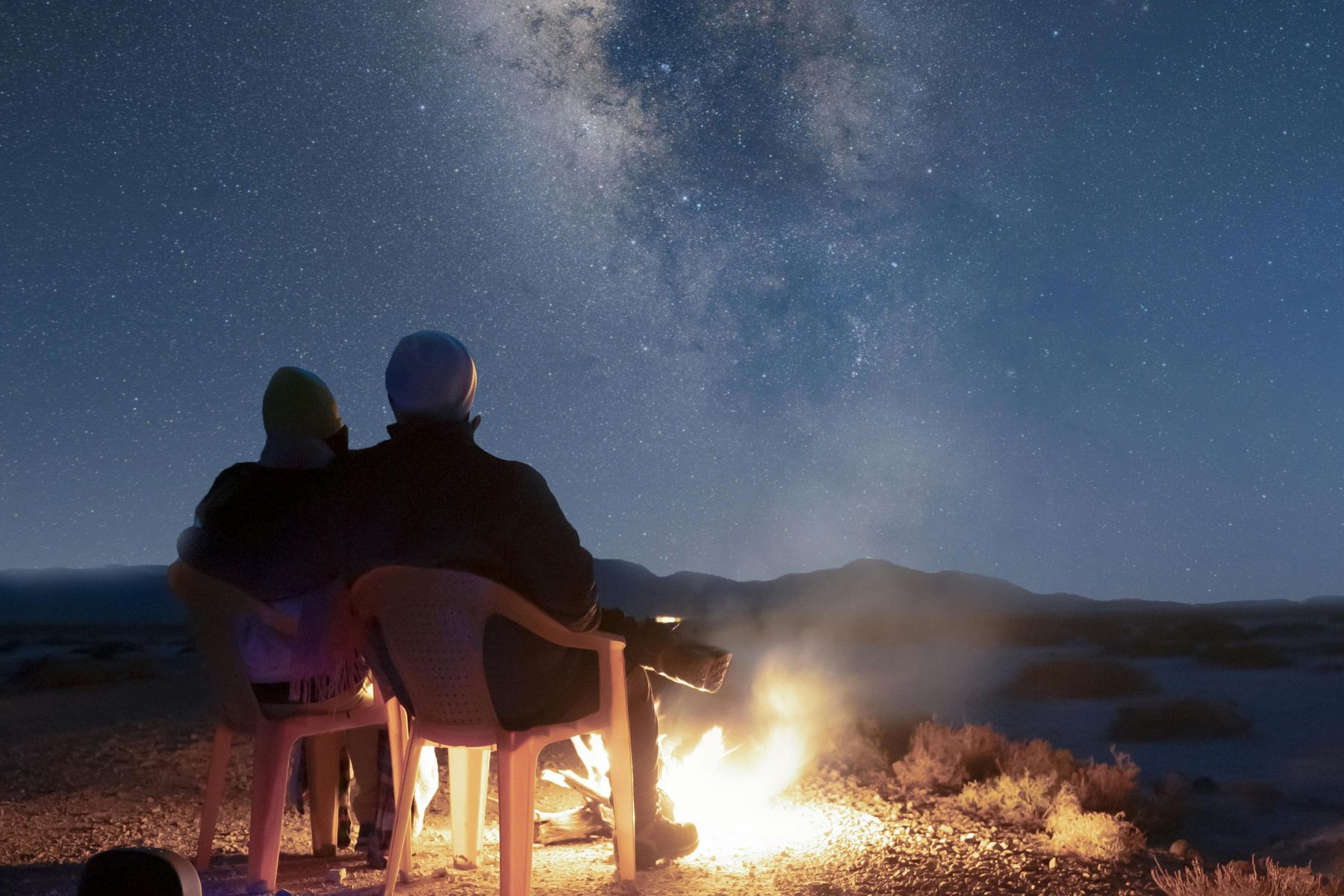
A Stanford report has found that night exposure to stars boosts awe and calm. Such nights arrive with a rare hush when the streets are empty and the air feels softer. It’s in these pockets of stillness that meditation, stargazing, or simply breathing in the quiet can bring a deep sense of calm that lasts into the morning.
Answers To Big Questions
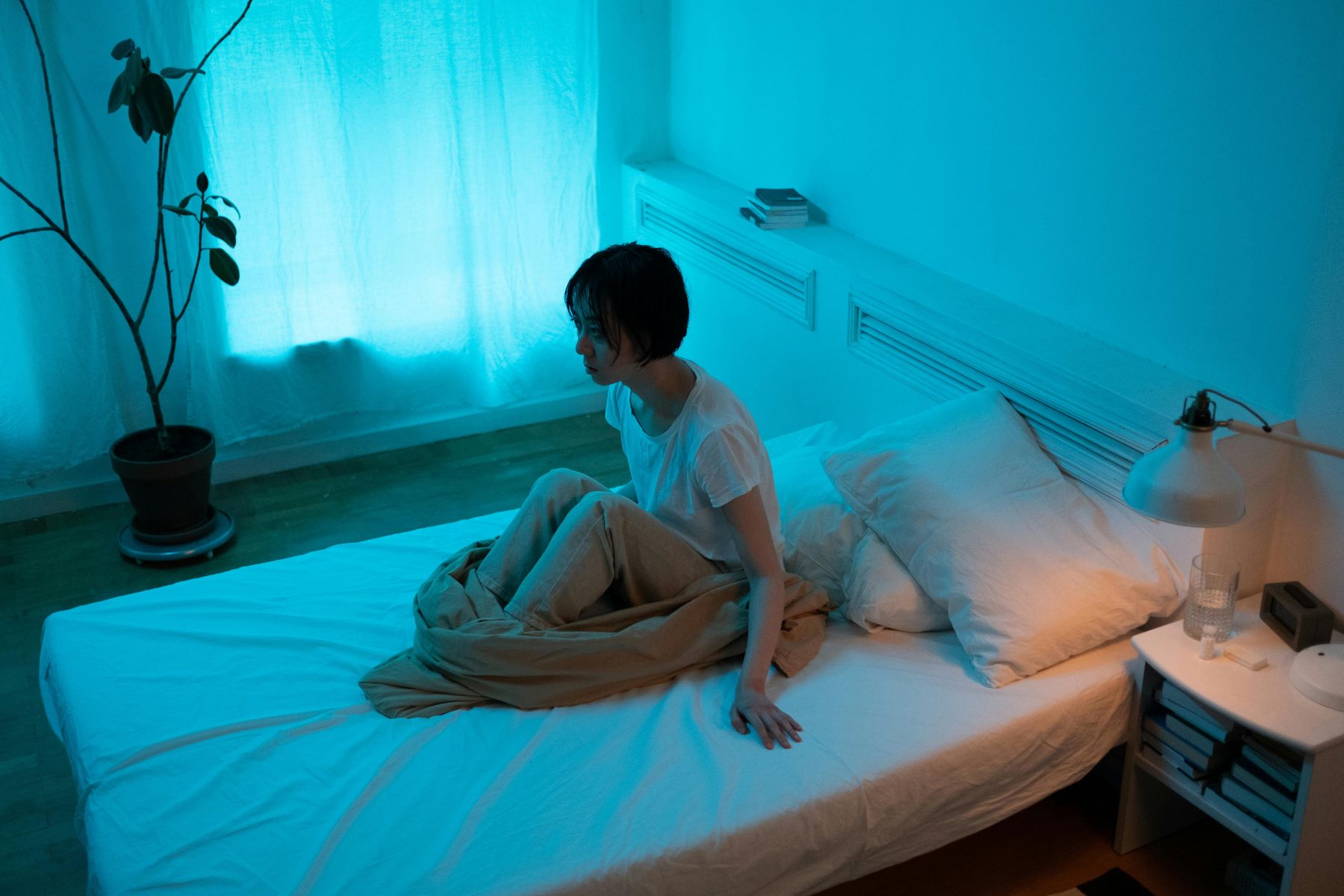
During the late hours of the night, the mind might dig into weightier thoughts. Choices you took during the day might replay to reflect the values that got tested. All the “what-ifs” and “what-did’s” possibilities unfold in detail. While answers may not come immediately, these uninterrupted reflections often shape the decisions that define your future.
Fleeting Euphoria

Nighttime excitement typically burns brighter in memory. During these times, the music seems louder and emotions run higher (remember the romantic chase?) It’s no surprise these moments stand out long after they’ve passed—though their magic often lies in the fact they can’t be perfectly recreated.
Who You Really Are
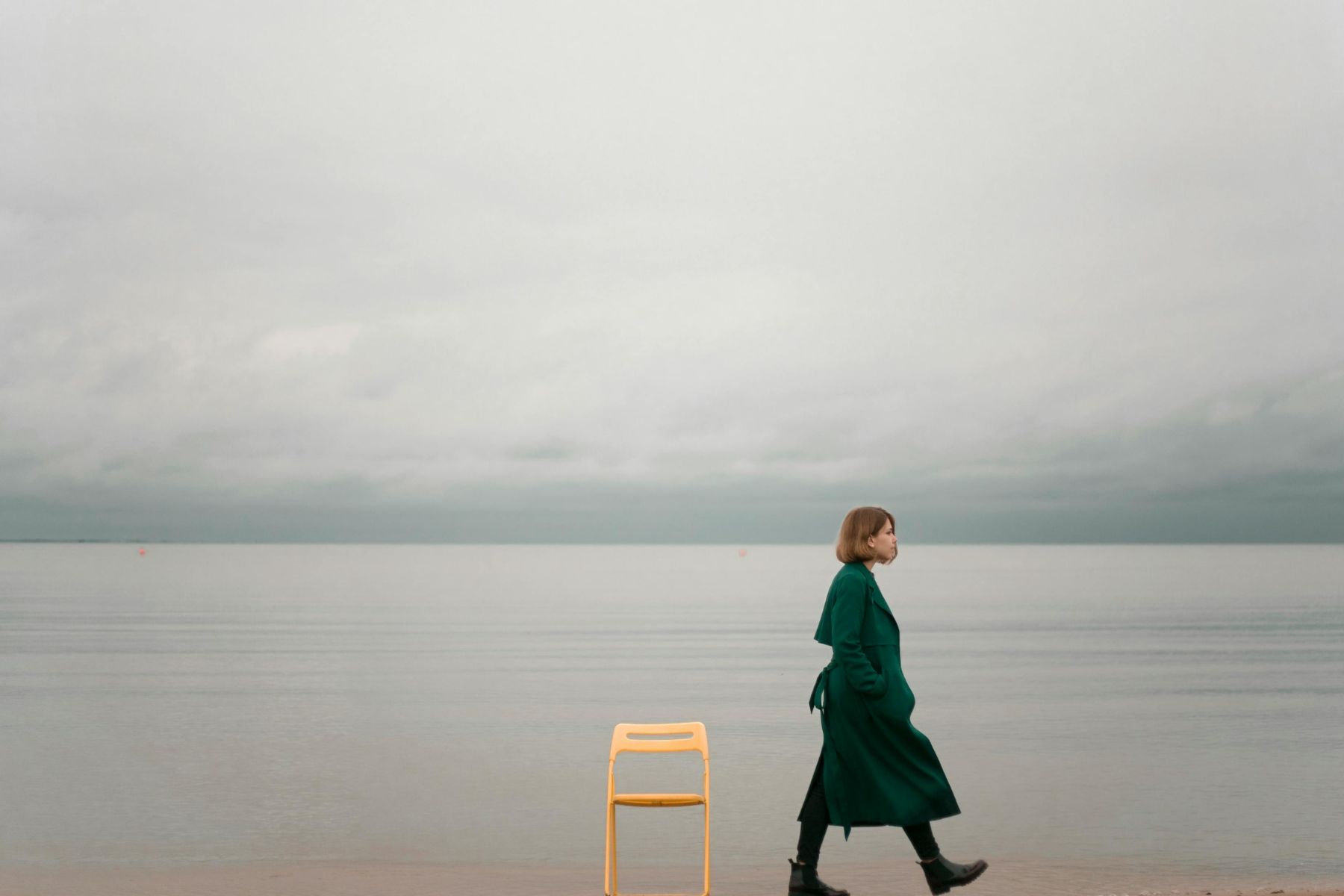
Without the pull to perform to impress anyone, the self grows sharper. In these quiet hours, thoughts can stand without being shaped by others. That clarity helps you understand not just how you act, but why—and the “why” is what keeps you grounded.
True Resilience

Facing difficulty without a safety net reveals capabilities you might underestimate. Each challenge becomes proof that you can endure even the toughest, most difficult events. Over time, those moments build a kind of strength that feels less like bravado and more like quiet certainty.
What Actually Matters

Solitude peels back layers of noise until what’s left is non-negotiable. Often, these are values or goals that have nothing to do with appearance or approval. Once seen clearly, they’re hard to ignore—and they naturally start to guide your choices.
Original Thought

Stillness is fertile ground for ideas, whether in work or personal life. In solitude, thoughts can stretch, connect, and form without interruption. The absence of outside voices allows concepts to emerge that might never have surfaced in a noisy room. Einstein valued solitude as a source of genius.
Spiritual Anchors
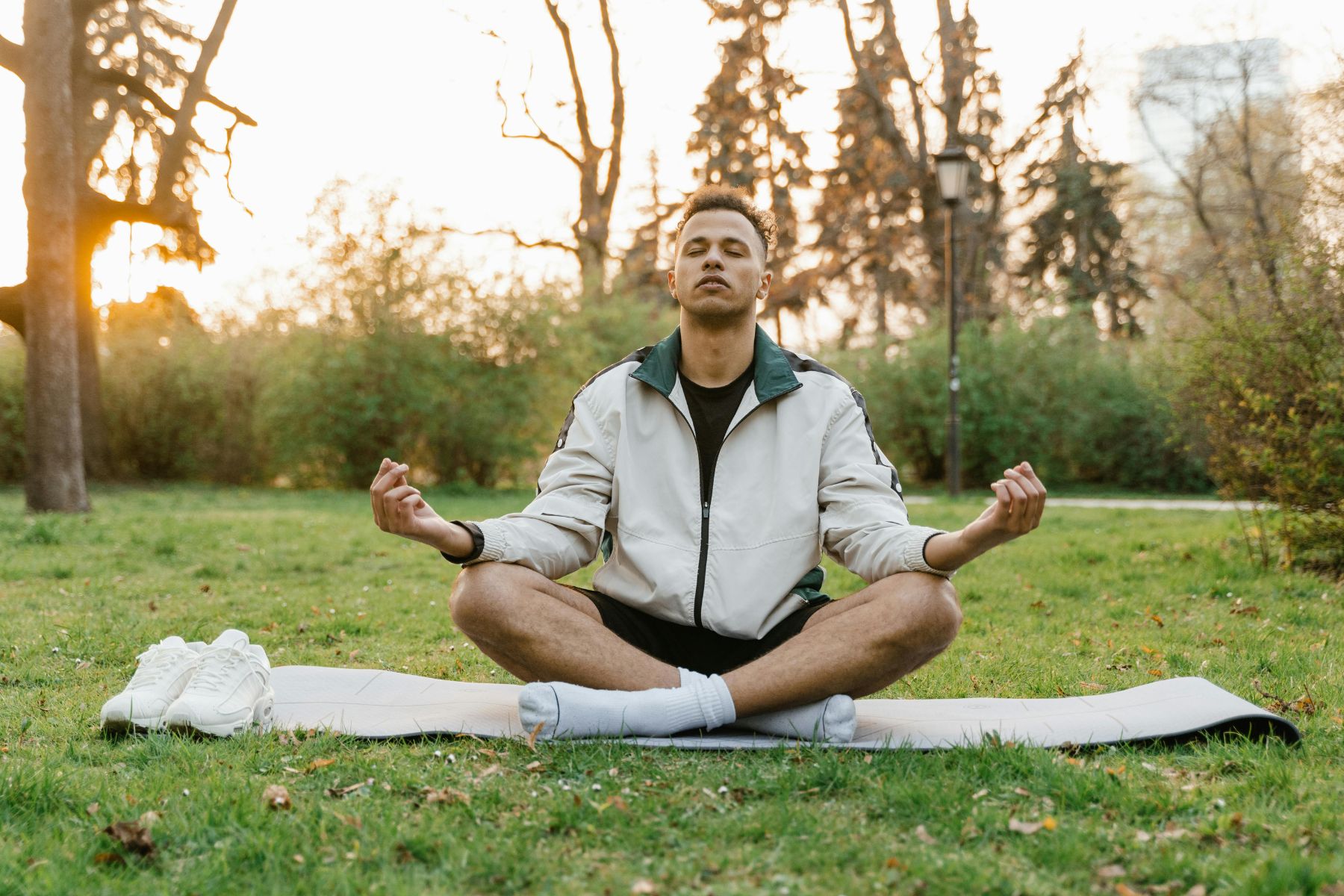
Some use the quiet to deepen their connection to beliefs and inner values. The act becomes ritual: meditation, prayer, or silent reflection. With time, these anchors hold steady through life’s shifting tides. Monks and other religious people know this all too well. That’s why you often find them isolated.
Emotional Healing

When you’ve been hurt, take a break and embrace solitude. Why? Pain needs room to move through you. Alone, you can cry without restraint, and even forgive at your own pace, which helps you release what’s too heavy to carry. These quiet acts often mark the start of real recovery.
A Broader Lens

Stepping back from situations changes what you see because you can objectively zoom out and see clearly. From this bigger perspective, problems shrink. Your priorities might even shift, and empathy could grow. That fresh angle can be the first step toward a solution—or closure.
Authentic Desires

Without the static of other people’s opinions, it’s easier to hear what you truly want. You want to be an accountant, while others think being a doctor is what’s best; solitude reveals this to you. Such clarity can lead to decisions that align more closely with your values and often bring deeper satisfaction.
Freedom To Just Be

Time alone allows you to move through a moment without editing yourself. When there is no one squinting in disapproval, you discover a freedom in choosing your own pace, tone, and action without adjusting for an audience. This kind of freedom can be quietly life-changing.
Inner Peace

When you stop reacting to every external push, like constant questions, calm has space to grow. It’s in these pauses that contentment often replaces restlessness, to prove that stillness can be an active, sustaining choice. Those who seek solitude frequently tend to be happier than those who are constantly around crowds.