
Bear Encounters Escalate on Japanese Ski Slopes Amidst Rising Wildlife Conflicts
Recent weeks have seen a dramatic surge in bear sightings across Japan, leading to escalating damage and increasingly alarming encounters. The nation’s winter sports enthusiasts are not immune to this growing wildlife challenge, with a particularly unnerving incident captured on camera on a ski slope in Nagano Prefecture.
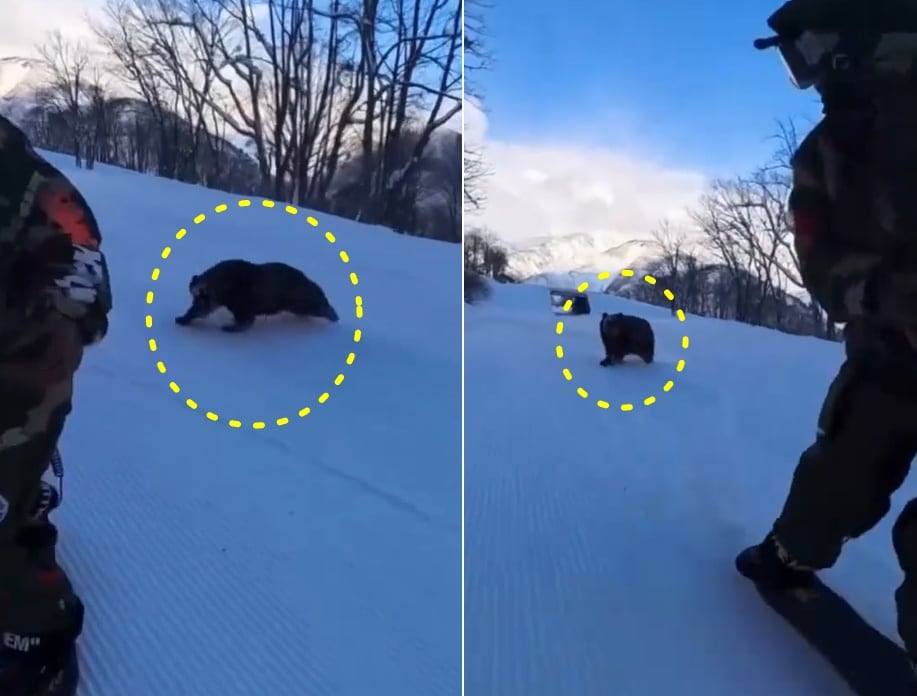
The footage, recorded around 8:30 a.m. on February 7th, shows a medium-sized bear emerging onto the snowy expanse. The animal is seen diagonally behind a snowboarder, crossing the slope before appearing to pursue the descending rider. Fortunately, the snowboarder managed to halt safely, narrowly avoiding a direct confrontation.
The snowboarder, who wishes to remain anonymous, recounted the harrowing experience. “I suddenly made eye contact with a bear that appeared out of nowhere,” he stated. “I usually focus straight ahead while descending, but I briefly looked back to try a technique and spotted the bear.” He described the animal as not a cub, but a medium-sized bear that “felt enormous” in the moment.
Witnesses on a nearby ski lift alerted resort staff to the presence of the bear. In response, the ski resort reportedly increased patrols, with personnel equipped with bear repellent spray, according to reports. This incident highlights the pervasive nature of the bear issue, extending even into recreational areas typically perceived as safe from such wildlife encounters.
A Nation Grapples with Increasing Bear Attacks
The unsettling appearance of a bear on a ski slope is symptomatic of a broader and more concerning trend unfolding across Japan. Bears, driven by a complex interplay of factors including climate change impacting food availability, have been venturing with alarming frequency into residential areas. This encroachment has resulted in a tragic rise in human fatalities and injuries.
The severity of the situation is underscored by data from Japan’s Environment Ministry. Between April and the end of last month, a staggering 180 individuals were attacked by bears. This figure represents the highest number of recorded bear attacks since the survey commenced in 2006, a stark indicator of the intensifying human-wildlife conflict. Tragically, five of these attacks resulted in fatalities.
Contributing Factors to the Surge in Bear Activity
Several interconnected factors are believed to be contributing to the heightened bear activity and subsequent increase in encounters:
- Climate Change and Food Scarcity: Alterations in weather patterns and seasonal changes are impacting the natural food sources available to bears. This includes disruptions to the availability of nuts, berries, and other essential food items, forcing bears to venture further afield in search of sustenance.
- Habitat Loss and Fragmentation: Urbanization and development continue to encroach upon natural bear habitats. This fragmentation can isolate bear populations and push them into closer proximity with human settlements as they search for new territories and food sources.
- Changes in Bear Population Dynamics: While not definitively established as a primary driver, some experts suggest potential shifts in bear population numbers or distribution patterns could be playing a role.
- Increased Human Activity in Natural Areas: As more people engage in outdoor recreational activities, the potential for accidental encounters with wildlife, including bears, naturally increases.
Strategies for Mitigation and Coexistence
Addressing the escalating bear crisis requires a multi-faceted approach involving government agencies, local communities, and individuals. Key strategies being explored and implemented include:
- Enhanced Monitoring and Early Warning Systems: Improving the tracking of bear movements and implementing more robust early warning systems can help alert residents and authorities to potential dangers.
- Public Education and Awareness Campaigns: Educating the public about bear behaviour, safety protocols, and how to avoid attracting bears to residential areas is crucial. This includes proper waste management and securing food sources.
- Habitat Management and Restoration: Efforts to protect and restore natural bear habitats can help alleviate pressure on bears to enter human-dominated areas.
- Development of Non-Lethal Deterrents: Continued research and development into effective non-lethal methods for deterring bears from human settlements are essential for minimizing conflict.
- Strengthened Response Protocols: Ensuring that local authorities and emergency services are well-equipped and trained to respond to bear encounters and attacks is vital for public safety.
The recent incident on the ski slope serves as a stark reminder that the challenge of human-wildlife coexistence is a growing concern across Japan, demanding ongoing attention and proactive solutions to ensure the safety of both people and wildlife.