

Fernando Alonso’s Criticisms and F1’s Response
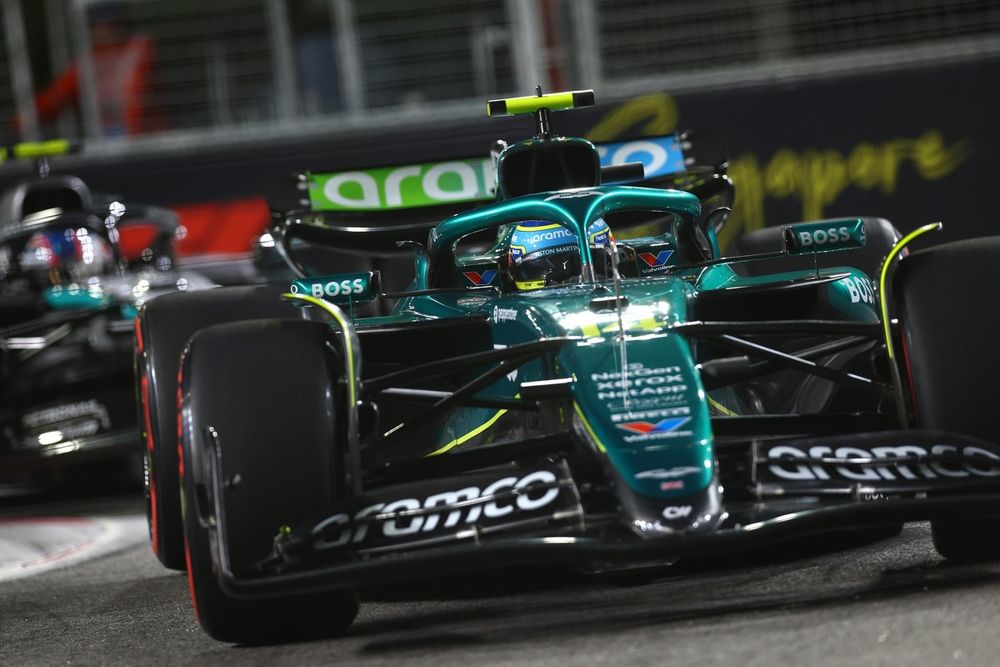
During the Singapore Grand Prix, Fernando Alonso expressed his frustration over a slow pit stop that dropped him from eighth to 15th place. He voiced his dissatisfaction on the radio, leading to a tense exchange with his engineer, Andrew Vizard. When Vizard informed Alonso that there were 34 laps remaining in the race, Alonso responded with a sharp remark: “If you speak to me every lap, I will disconnect the radio.”
Alonso’s outburst did not go unnoticed, and he later took to X to comment on the situation. He humorously remarked, “With pole position secured for the private radio broadcast, time to fine-tune the main coverage and bring all the on-track excitement to the fans!” His comments reflected a broader concern about how the sport is being presented to its audience.
Two races later, during the Mexico Grand Prix, Alonso continued to voice his concerns. He was unhappy with the fact that several drivers managed to cut the first corner at the start without giving back a position. Alonso criticized the lack of visibility of this incident on the live feed, stating, “They broadcast it all in the radio that we do, privately. Hopefully they broadcast this and they see the turn one, two. Hello? Did it not broadcast turn one, two?”
Despite Alonso’s criticisms, it is important to note that his comments did not make it into the live broadcast. This has led to discussions about the role of F1’s broadcast team and their relationship with the drivers.
F1’s Broadcast Philosophy
Dean Locke, the director of broadcast and media at F1, has emphasized that the organization’s goal is to tell the story fairly and accurately. In an exclusive interview, he stated, “We have a responsibility to tell the story fairly and accurately – so we don’t publish anything that is misleading or has other intentions.”
Locke also acknowledged Alonso’s talent, saying, “Fernando is incredible; what he can do in that car and then still have time to think about it is admirable. But we are not his mouthpiece.” He added, “Our goal is to stay honest in the story and get the fans involved.”
Locke highlighted the importance of maintaining a balance between showcasing the action on the track and providing context through the drivers’ perspectives. He explained, “It’s great what kind of stories we can tell, how we can show the race from the perspective of two teammates and things like that. But we have to be careful, because sometimes a driver is critical of his team without knowing all the facts.”
He also mentioned that F1’s broadcasts aim to provide a comprehensive view of the event, including the atmosphere around the track. “We have to convey that atmosphere. That’s something stadium sports, like soccer, have less of,” he said.
Driver Feedback and Broadcast Adjustments
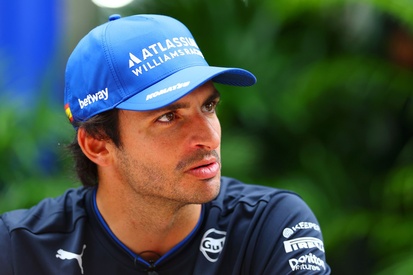
Alonso is not the only driver who has raised concerns about F1’s coverage. Carlos Sainz, another Spanish driver, criticized the focus on celebrities and girlfriends in the broadcasts, arguing that it detracted from the racing action on the track. Sainz pointed out that his strong performance in Singapore, which included five overtaking moves, was barely shown on screen.
This has sparked questions about how F1 interacts with the Grand Prix Drivers’ Association and whether drivers provide feedback on the broadcasts. Locke explained, “That’s a good question, because they didn’t actually know what our options were to, for example, bleep, mute or filter what’s being said.”
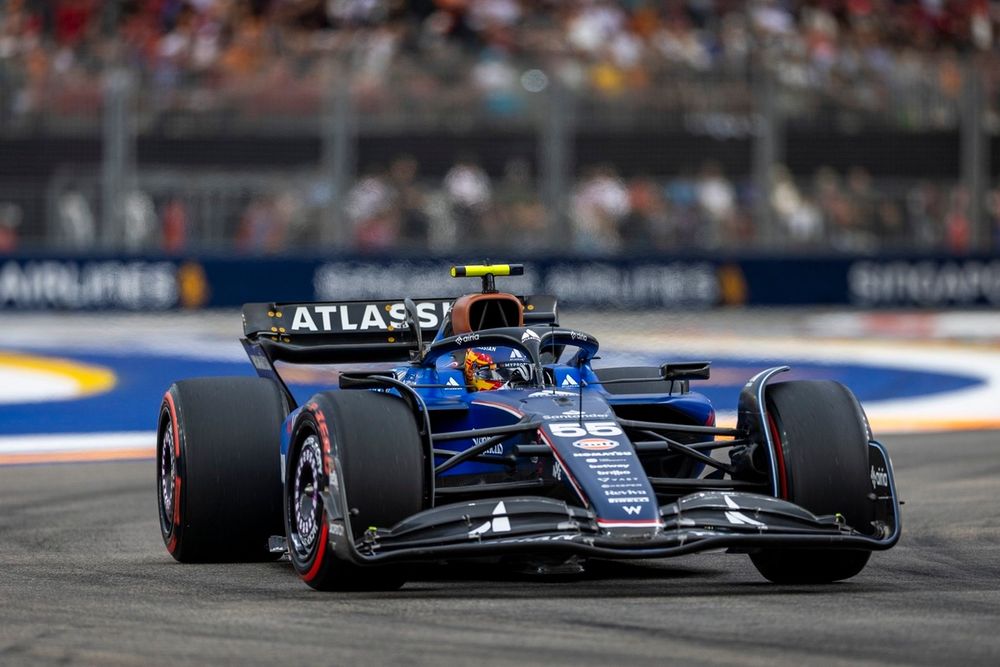
Locke added that F1 aims to show the entire experience of the event, not just the on-track action. “We do have a responsibility to show the whole atmosphere of the event: what happens on the track, but also around it. That includes footage of the grid, the fans, or the podium afterwards.”
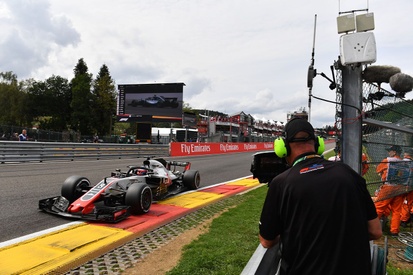
He emphasized that F1’s broadcasts are designed to appeal to a diverse audience, including those who tune in for the race and others who want to soak up the overall experience. “If we only showed close-ups of cars on the track, you wouldn’t even know what track we’re at,” he said.
Focus on the Title Fight
As the season finale approaches, F1 must also pay attention to the title fight. Locke noted, “There are solid battles going on at the moment, for example with the McLarens, so we have to be fully tuned into that and convey that well to the fans.”
He added that the action on the track remains the priority, but the broadcast team works hard to capture all the key moments. “Often a lot is happening at once, and the team works very hard every week to puzzle out exactly how we can best show that,” he said.
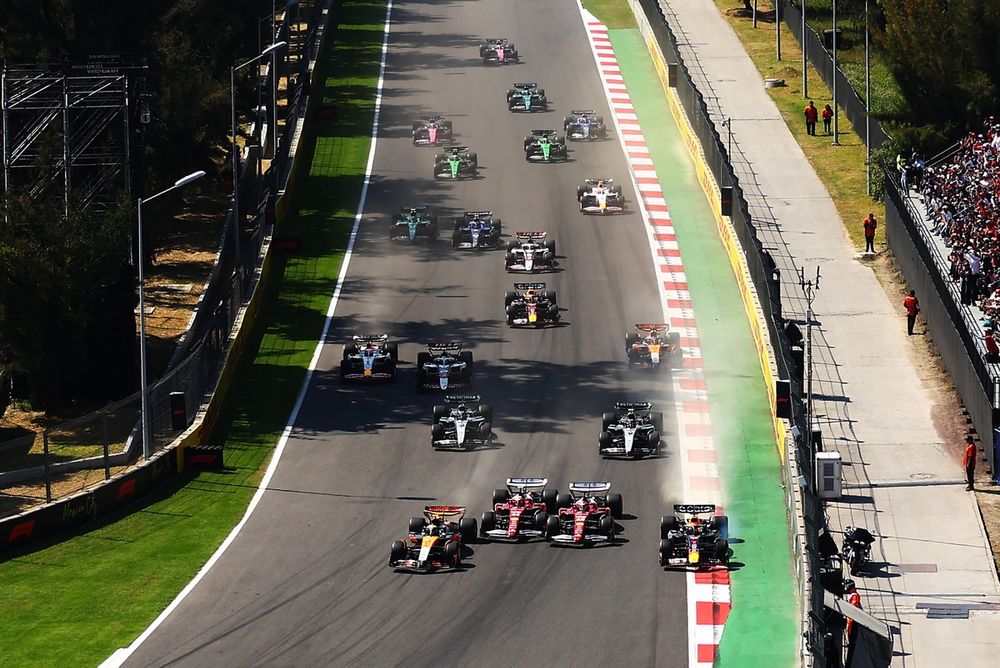
Locke also mentioned that some improvements have already been made this year to better showcase the on-track battles. For example, picture-in-picture technology allows viewers to follow multiple fights simultaneously. “Some of the innovations we’ve introduced this year help us show more fights and stories at the same time,” he said.
Conclusion
F1’s broadcast team continues to evolve, balancing the need to highlight the action on the track with the broader experience of the event. As the season progresses, the focus remains on delivering an engaging and accurate portrayal of the sport to fans around the world.