
Presidential Security Service Commits to “Open, Low-Key Security” Post-Cheong Wa Dae Relocation
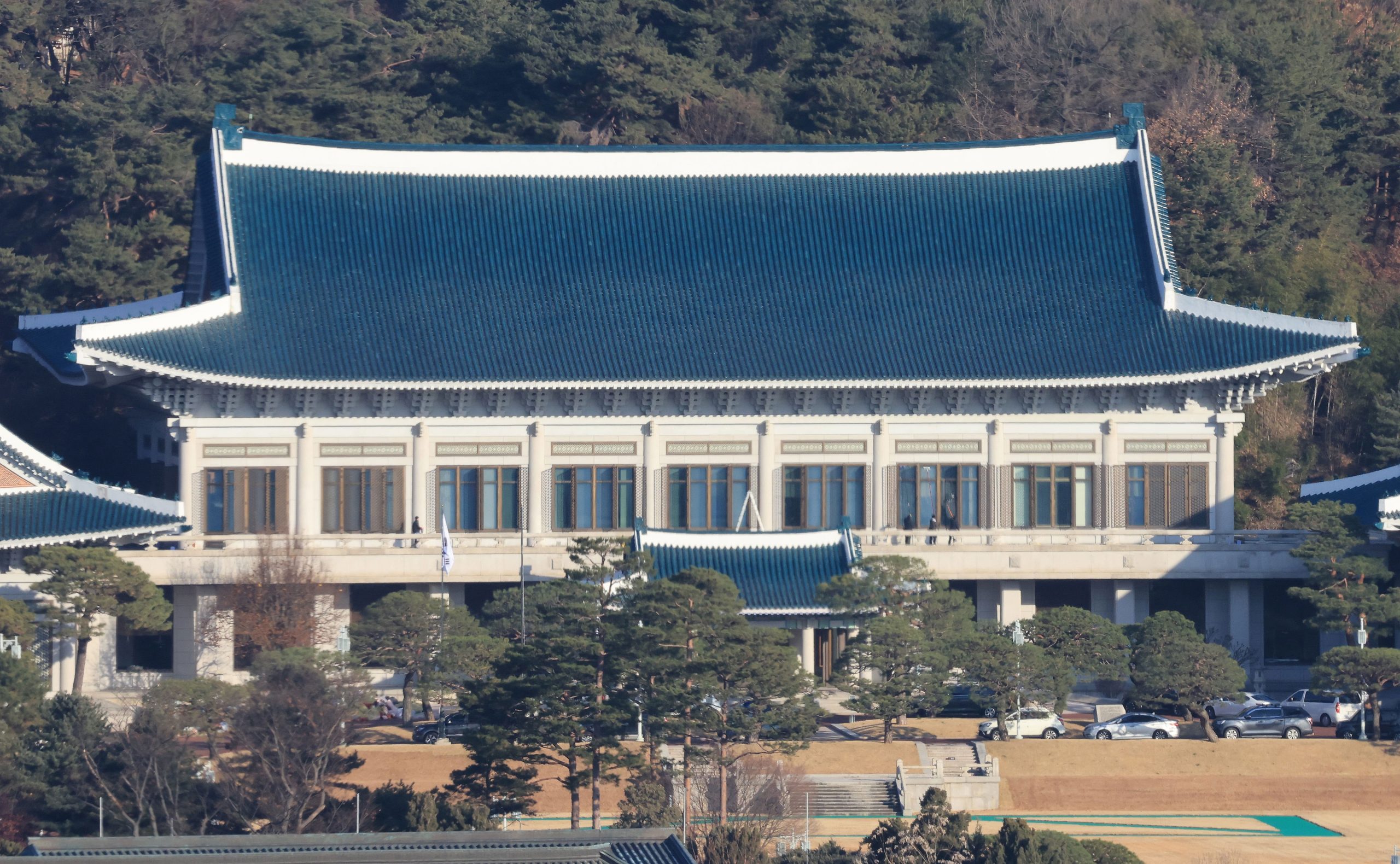
The Presidential Security Service has affirmed its commitment to maintaining a philosophy of “open security, low-key security” even after the Presidential Office’s return to the historic Cheong Wa Dae complex. This principle, the service stated in a press release on the 14th, has been a cornerstone of the current administration’s approach since its inception. The agency emphasized its dedication to a “balanced security philosophy,” designed to safeguard the head of state effectively while simultaneously minimizing disruptions to public life and convenience.
This commitment translates into a series of practical measures aimed at ensuring the public can continue to enjoy the areas surrounding Cheong Wa Dae with minimal inconvenience. A prime example is the “Gyeongbokgung Daengdaeng Run” course, a popular route that links key landmarks including Gwanghwamun, Gyeongbokgung Palace, Cheong Wa Dae itself, Samcheong-dong, Jongno, and Cheonggyecheon Stream. This recreational path will remain fully accessible to the public, underscoring the service’s intention to integrate security measures harmoniously with public access. Similarly, nearby hiking trails will also be kept open to the greatest extent possible.
The Presidential Security Service clarified that while personnel will be strategically positioned at five access routes to Cheong Wa Dae to manage traffic flow efficiently, the intrusive checks of citizens’ destinations or belongings, which were a feature of past security protocols, will not be implemented. In essence, the traditional “checkpoints” that might have been anticipated will not be operated.
Beyond managing public access, the agency is undertaking comprehensive joint inspections with various government institutions. These rigorous assessments are crucial for thoroughly identifying and mitigating any potential threats that may have emerged during the three years Cheong Wa Dae was fully open to the public. This proactive approach aims to preemptively address any security vulnerabilities.
Hwang In-kwon, the head of the Presidential Security Service, elaborated on the service’s approach. He stressed, “While preparing meticulously for the necessary security and safety measures during the return to Cheong Wa Dae, we will respect the daily lives and convenience of the sovereign people to the greatest extent possible. We will unwaveringly uphold the ‘open security, low-key security’ principle promised by the popular sovereignty government.” This statement highlights a dual focus: ensuring robust protection for the presidency while prioritizing the rights and daily routines of the citizenry.
The service’s strategy can be broken down into several key components:
- Minimizing Security Zones: The aim is to limit the physical areas designated as restricted, thereby preserving public access to parks, trails, and cultural sites.
- Streamlined Traffic Management: Instead of checkpoints, traffic flow will be managed through personnel stationed at key access points, focusing on efficiency rather than intrusive inspections.
- Public Convenience as a Priority: The “Gyeongbokgung Daengdaeng Run” and accessible hiking trails are tangible examples of how public enjoyment of the area will be maintained.
- Proactive Threat Assessment: Joint inspections with government bodies are a critical part of identifying and neutralizing potential risks that may have arisen during the period of increased public access.
- Upholding “Open Security, Low-Key Security”: This overarching principle guides all operational decisions, ensuring that security measures are effective without being overbearing or disruptive to the public.
The return of the Presidential Office to Cheong Wa Dae marks a significant moment, and the Presidential Security Service’s commitment to its “open security, low-key security” principle signals a forward-thinking approach to presidential protection that values public engagement and convenience alongside national security. This philosophy seeks to foster a sense of openness and accessibility, aligning with the democratic ideals of a government that serves the people.