
Minister’s Jet-Setting Costs Draw Scrutiny Amidst Economic Headwinds
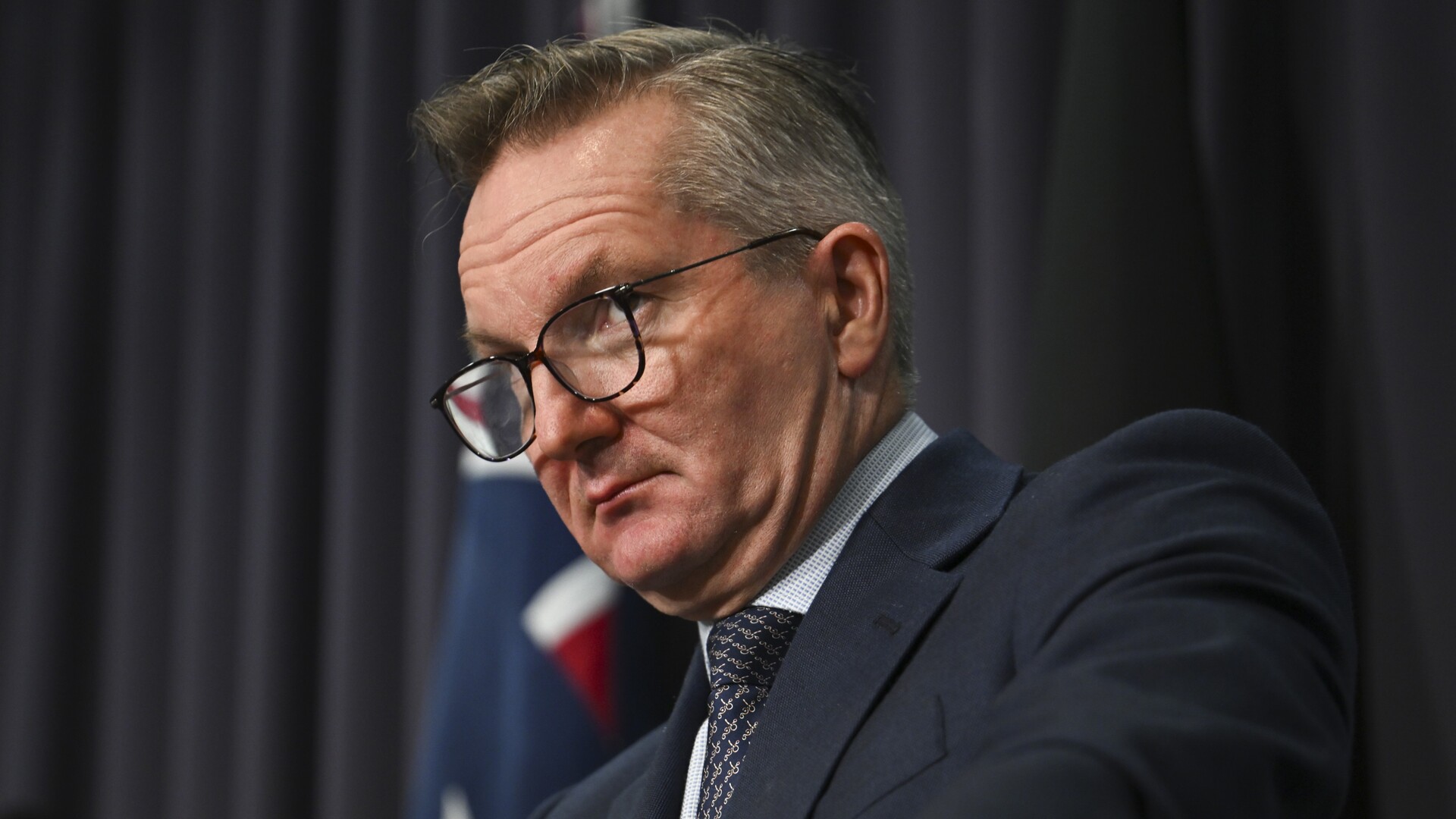
Energy Minister Chris Bowen has come under fire for substantial taxpayer-funded travel expenses, with figures revealing over $200,000 was spent on VIP jet usage for a recent international trip. The significant expenditure, disclosed through defence department records, was allocated for special-purpose flights undertaken during a four-day itinerary across several Pacific nations.
This particular overseas venture was intrinsically linked to Australia’s now-abandoned bid to co-host the COP31 climate summit. The government has since withdrawn its hosting aspirations, a decision that ultimately paved the way for Turkey to secure the prestigious event.
The timing of these substantial travel costs has ignited criticism from the Opposition. The Coalition has raised pointed questions about the minister’s spending, particularly in light of the ongoing cost-of-living pressures and escalating energy bills that are impacting Australian households. Critics argue that such significant expenditure on ministerial travel, especially via private jet, is difficult to justify when many Australians are grappling with financial strain.
The minister’s itinerary involved engagements in multiple Pacific nations, underscoring the international dimension of the COP31 bid. The use of a VIP jet, while often associated with efficiency and security for high-level government officials, has drawn particular attention due to the substantial cost incurred. Defence disclosures, which are typically released to shed light on government expenditure, have provided the basis for this scrutiny.
Energy Minister Chris Bowen has billed taxpayers more than $200,000 for use on a VIP jet.
Defence disclosures show the minister spent the money on special-purpose flights during a four-day trip to several Pacific Nations.
It was part of Australia’s failed bid to host the COP31 climate summit, which the government later abandoned, allowing Turkey to host.
The Coalition has questioned the spending, arguing it came at a time Australians are facing rising energy bills and cost-of-living pressures.
The decision to withdraw Australia’s bid for COP31 has also been a point of contention. While the government has cited strategic reasons for this shift, the expenditure on travel related to a now-scrapped bid amplifies concerns about the effective allocation of public funds. The Coalition has suggested that the resources could have been better utilised elsewhere, particularly in addressing the immediate economic concerns of Australians.
Further details emerging from the defence disclosures highlight the nature of the flights. These were not standard commercial routes but rather “special-purpose flights,” a designation that typically implies a bespoke travel arrangement designed to accommodate specific ministerial duties and schedules. While such arrangements can be necessary for complex diplomatic missions, the associated costs remain a sensitive issue for the public purse.
The broader context of the global climate agenda and Australia’s role within it also plays a significant part in this discussion. The nation’s commitment to addressing climate change is a cornerstone of its international policy, and hosting a major event like COP31 was seen by many as a crucial opportunity to demonstrate leadership. However, the financial implications of such ambitions, including ministerial travel, are now under the microscope.
The ongoing debate around ministerial travel expenses is not unique to this specific instance. Across various governments, the use of taxpayer-funded travel, particularly private aircraft, has frequently been a subject of public and political debate. Transparency and accountability in such matters are paramount, especially when public funds are involved.
In response to the scrutiny, it is anticipated that the government will seek to provide further justification for the expenditure, potentially outlining the critical diplomatic objectives that necessitated the use of a VIP jet and the specific engagements undertaken during the Pacific trip. The success or failure of the COP31 bid, and the subsequent decision to withdraw, will undoubtedly remain a central point of discussion in evaluating the overall value and necessity of the associated travel costs.
The current economic climate, characterised by high inflation and increasing household expenses, makes any significant government spending, particularly on travel, a delicate issue. The Coalition’s critique taps into a palpable public sentiment of fiscal responsibility, urging a closer examination of where taxpayer money is being directed. The minister’s travel expenses, therefore, serve as a focal point for a wider conversation about government expenditure and its alignment with the everyday financial realities faced by Australians.