
Allegations Surface of Russian Satellite Intel Aiding Iran Against US Forces
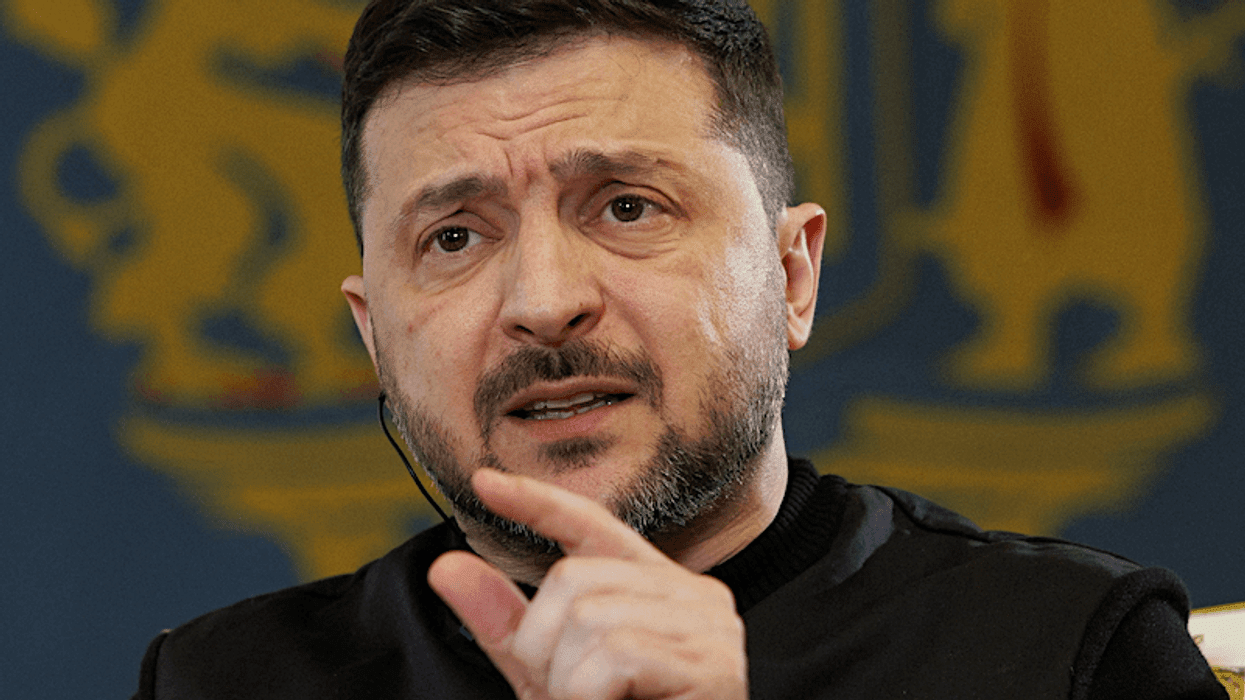
Ukrainian President Volodymyr Zelenskyy has asserted, with what he described as “100 percent” certainty, that Russia is actively collaborating with Iran by providing crucial intelligence, including satellite imagery of U.S. air bases in the Middle East. This alleged assistance, Zelenskyy claims, is instrumental in Iran’s efforts to target and strike American military infrastructure within the region, with a recent attack that resulted in injuries to U.S. service members being a prime example.
Speaking in Qatar, Zelenskyy elaborated on the daily presidential briefings he receives from Ukraine’s intelligence agencies. He presented a summary of these briefings, which reportedly indicated that Russian satellites had captured images of Prince Sultan Air Base in Saudi Arabia on multiple occasions in March – specifically on the 20th, 23rd, and 25th. Zelenskyy interpreted this pattern of imaging as a clear sign of attack planning, noting that Iran subsequently launched a strike on the base on March 26th.
Zelenskyy outlined a concerning methodology he claims is employed: “We know that if they make images once, they are preparing,” he stated. “If they make images a second time, it’s like a simulation. The third time it means that in one or two days, they will attack.” While the provided briefing summary did not include the actual Russian satellite images or detail precisely how Ukraine obtained this information, it aligns with previous reports suggesting Russian intelligence sharing with Iran.
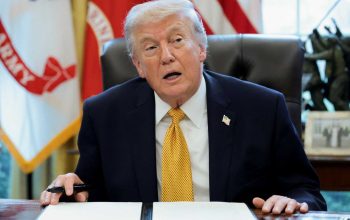
Former U.S. President Donald Trump has also alluded to such a possibility. When questioned about Russia potentially aiding Iran, Trump remarked, “I think he might be helping them a bit, yeah. I guess, and he probably thinks we’re helping Ukraine, right? Yeah, we’re helping them also, and he says that, and China would say the same thing, you know. It’s like, ‘Hey, they do it, and we do it, in all fairness.’ They do it, and we do it.”
Broader Geopolitical Implications and Concerns for Ukraine
The implications of this alleged Russian-Iranian cooperation extend beyond immediate military actions. Zelenskyy expressed his hope that increased U.S. military operations against Iran would not lead to a diversion of vital weapons and support away from Ukraine’s ongoing struggle against Russia. He voiced his belief that Russian President Vladimir Putin is actively seeking a protracted conflict in the Middle East, viewing it as a strategic advantage.
“Putin has benefits, a lot of benefits, of this war,” Zelenskyy explained. “If sanctions are lifted, Putin will get more money, much more money, and he will put this money to weapons.” This suggests a cynical calculation by Moscow, where regional instability and heightened tensions could ultimately serve to bolster Russia’s military capabilities and economic resilience, particularly if international sanctions are eased as a consequence of shifting global priorities.
U.S. Foreign Policy and Ukrainian Hopes
The ongoing efforts to broker a peace agreement between Ukraine and Russia have reportedly faced further deceleration following the escalation of U.S. military actions against Iran. When pressed on whether he believes former President Trump genuinely cares about Ukraine’s future, Zelenskyy offered a measured response: “I hope so,” he said. “You know the policy of the United States today. They care about the United States more. It’s understandable, by the way. We understand it and I think that the American team is very open about it.” This statement reflects an acknowledgement of the prevailing U.S. “America First” sentiment and a pragmatic understanding of how global events can influence the allocation of international attention and resources.
The situation highlights a complex web of international relations, where allegiances shift, and intelligence sharing, whether overt or covert, can have significant consequences on ongoing conflicts and geopolitical stability. The allegations brought forth by President Zelenskyy underscore the intricate challenges faced by Ukraine in its fight for sovereignty, as global events and strategic maneuvers by other major powers continue to shape the battlefield and the broader international landscape.