
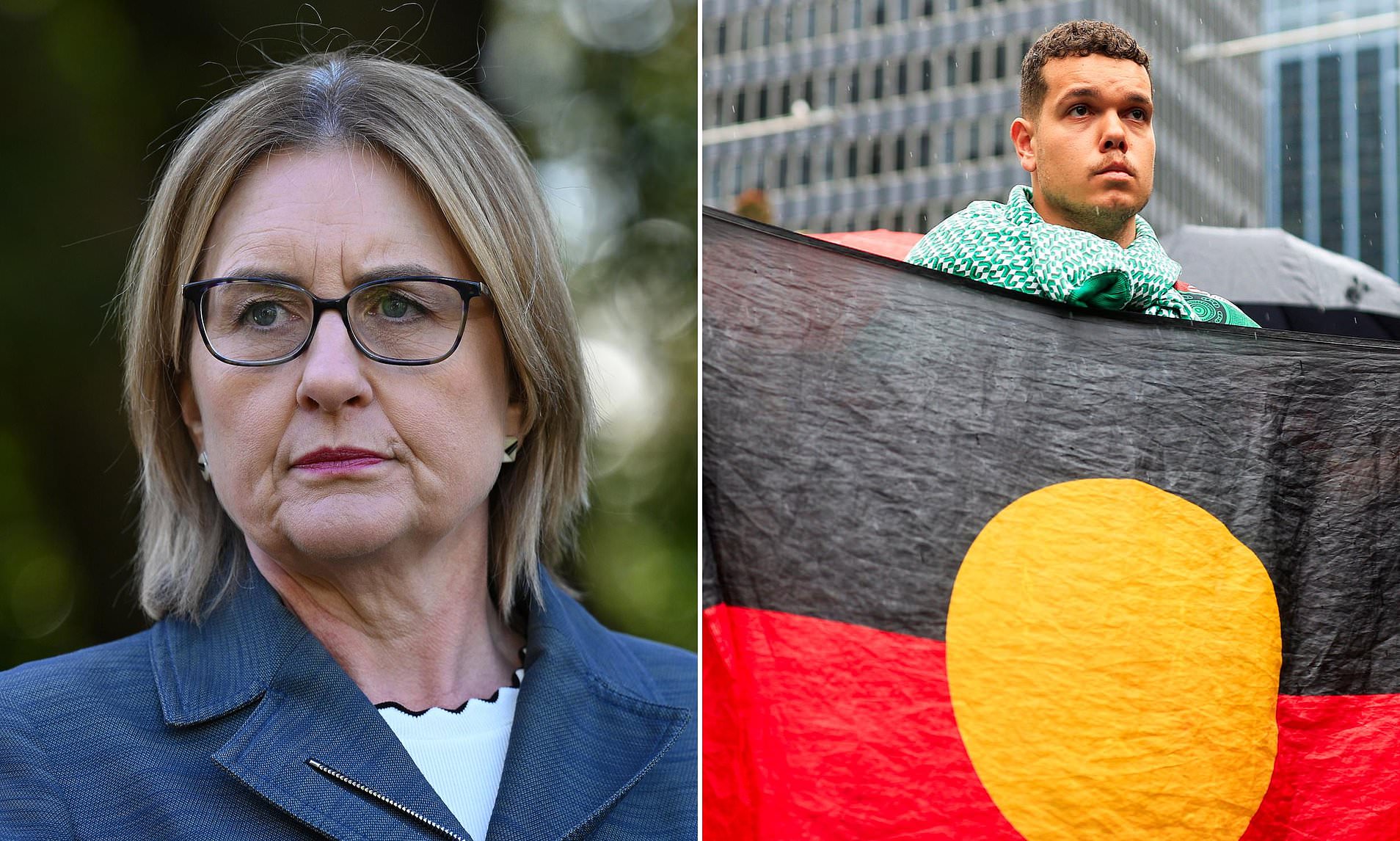
Confidential government briefings, shielded from the scrutiny of Members of Parliament before their vote on Victoria’s landmark Treaty, have revealed the potential for Indigenous Victorians to pursue reparations through the Treaty’s framework. These previously undisclosed documents, prepared for the then-Premier Daniel Andrews, were only made public following the Treaty legislation’s passage a few weeks prior. The revelations highlight the complexities and potential ramifications of the Treaty, sparking debate about transparency and the scope of Indigenous entitlements.
The release of these documents came after a protracted effort by senior Liberal MP David Davis, who invoked Freedom of Information laws to gain access. The initial reporting of these findings was undertaken by the Herald Sun.
Prior to the Treaty, Victoria had already established a mechanism for addressing Indigenous land claims. In 2010, the state enacted the Traditional Owner Settlement Act, designed to provide Aboriginal Victorians with an avenue to resolve native title and compensation claims outside of the courtroom.
Under settlement approvals finalized in 2022, significant financial allocations were made to Indigenous groups. Specifically:
The Dja Dja Wurrung Clans Aboriginal Corporation received $36.3 million over a five-year period, in addition to an ongoing annual allocation of $2.9 million.
The Wotjobaluk, Jaadwa, Wergaia, and Jupagulk peoples, represented by the Barengi Gadjin Land Council Aboriginal Corporation, were granted $46.1 million over five years, coupled with $2.6 million in continuous funding.
The briefing papers themselves indicate a clear preference for the Treaty pathway in addressing Indigenous grievances. They explicitly state that the Treaty is the ‘preferred option’ for traditional owners seeking recognition and reparations. These reparations, according to the briefings, could encompass a wide array of forms, including financial compensation, land restitution, cultural acknowledgments, formal apologies, political representation, and targeted assistance programs.
- The briefing papers emphasized this point, stating: ‘It is intended that the Treaty pathway will be incentivised as the preferred option for traditional owners seeking recognition and reparations.’
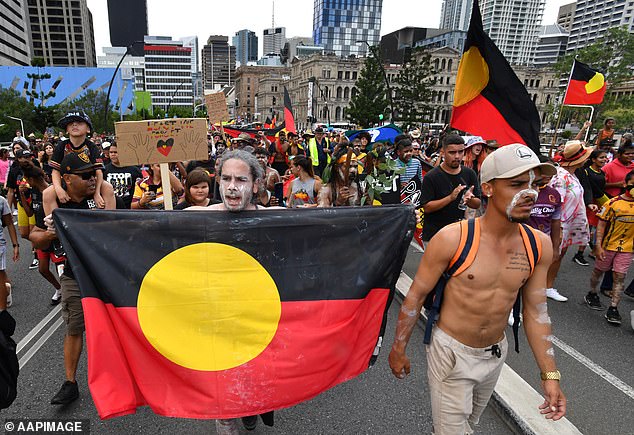
Despite the implications of these documents, the current Allan government has consistently maintained that the Treaty does not encompass financial compensation.
- A government spokesperson stated unequivocally: ‘The first Statewide Treaty Agreement does not include financial compensation or reparations.’
However, this stance appeared to soften under parliamentary questioning. Senior minister Lizzie Blandthorn, when pressed on the issue, declined to rule out the possibility of future reparations. She suggested that all legislation is subject to change and adaptation over time.
- ‘We see that in our day-to-day operations in this place, and that will continue to remain the case in relation to the evolution of Gellung Warl,’ she stated.
This ambiguity has fueled criticism from the opposition. David Davis, a prominent figure in the Liberal party, has accused the Labor government of deliberately concealing the true intentions behind the Treaty.
- Davis asserted: ‘Labor always intended reparations to be part of this Treaty, they just lied about it until it was passed.’
Premier Jacinta Allan is scheduled to deliver a new apology to Indigenous Victorians for historical injustices. This follows Victoria’s historic move to become the first state in Australia to formally negotiate a Treaty with its Indigenous population.
The developments surrounding Victoria’s Treaty raise crucial questions about the future of Indigenous rights and government accountability:
How will Victoria’s historic Treaty reshape Indigenous rights and government accountability?
Is the significant financial commitment to the Aboriginal Treaty a historic leap forward or a controversial burden on Victorian taxpayers?
Could Victoria’s commitment to Indigenous treaties inspire other Australian states to follow suit?
Is Victoria’s groundbreaking treaty move set to redefine Aboriginal rights and governance?
How does the first-ever Treaty legislation in Victoria signal a shift in recognizing and empowering Indigenous voices at a state level?
The answers to these questions will undoubtedly shape the future of Indigenous relations in Victoria and potentially across Australia. The ongoing debate highlights the need for transparency, open dialogue, and a clear understanding of the implications of this historic agreement.