

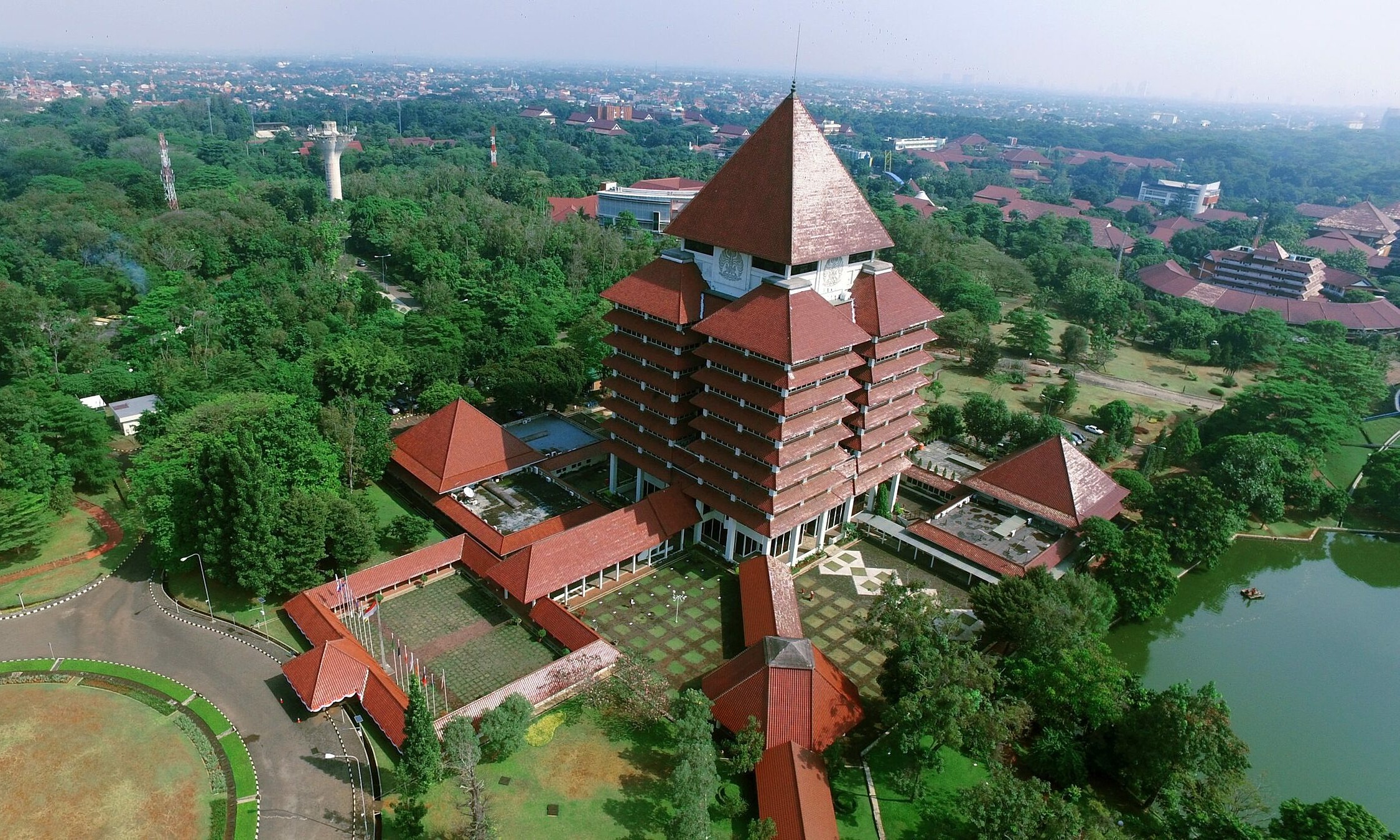
The Indonesian higher education landscape is undergoing a dramatic transformation, positioning the nation as a significant player on the global stage. Fueled by burgeoning enrollment figures and a demographic dividend in the form of a youthful population, Indonesia is poised to become a leading force in tertiary education.
Projections indicate a remarkable surge in Indonesia’s university student population. By 2035, the nation is anticipated to surpass both the United States and Brazil, securing its position as the world’s third-largest university system, trailing only China and India. This shift signifies a fundamental realignment of global higher education demand, with Indonesia at the forefront.
The scale of this transformation is truly impressive. Over the next decade, Indonesia is projected to add a staggering 4.3 million university students, bringing its total enrollment to approximately 13 million. This expansion is driven by a confluence of factors, including increasing participation rates in higher education and the sheer momentum of a young and expanding population base.
Enrollment is experiencing growth across all levels of tertiary education, from undergraduate bachelor’s degrees to advanced master’s and doctoral programs. This widespread increase underscores a nationwide commitment to upskilling the workforce in response to an increasingly competitive economic environment. The Indonesian government has implemented policies aimed at improving access to education and enhancing the quality of higher education institutions. These initiatives are designed to equip Indonesian graduates with the skills and knowledge necessary to compete in the global marketplace.
In contrast, the United States is facing its own set of challenges. Demographic trends are impacting enrollment patterns, with a shrinking youth population and declining enrollment rates among older learners. Population growth is insufficient to offset these trends, hindering a potential rebound in enrollment figures.
Postgraduate enrollment in the U.S. is similarly affected by these demographic forces. While American institutions continue to exert considerable influence globally, the U.S. system is losing its share of the global student population. This shift reflects the changing demographics and the increasing demand for higher education in other parts of the world.
Across Asia, demand for higher education is experiencing unprecedented growth. South Asia is projected to reach 66 million university students by 2035, while East Asia is expected to hit 53 million. This surge in demand is driven by economic growth, urbanization, and a growing recognition of the importance of higher education for individual and national prosperity.
India and China are expected to maintain their dominance in terms of student population, with projected totals of 53 million and 47 million students respectively. These two nations represent the largest higher education markets in the world, and their continued growth will shape the global landscape of tertiary education.
Southeast and West Asia are also on track for significant expansions in their higher education sectors. This growth is fueled by rapid urbanization and economic shifts toward higher-skill sectors. As these regions continue to develop, the demand for skilled workers will drive further investment in higher education.
However, not all regions are expected to experience growth in higher education enrollment. Russia is projected to see the sharpest decline among the world’s 20 largest systems, while much of Eastern Europe, including Albania, Belarus, and Lithuania, is projected to experience substantial enrollment drops due to long-term population shrinkage. These demographic challenges pose a significant threat to the future of higher education in these regions.
The financial landscape of higher education presents a different perspective. Despite facing declining student numbers, universities in the United States are projected to see significant increases in non-research income, including revenue from tuition, philanthropy, and other sources. This increase could potentially reach an additional $84 billion by 2035, surpassing projected gains for China, Germany, and the United Kingdom.
Indonesia is also forecast to generate substantial new revenue in its higher education sector, with projections nearing $6 billion. This growth positions Indonesia among the world’s fastest-growing systems in terms of financial scale, reflecting the increasing investment in higher education and the growing demand for quality education among Indonesian students.