
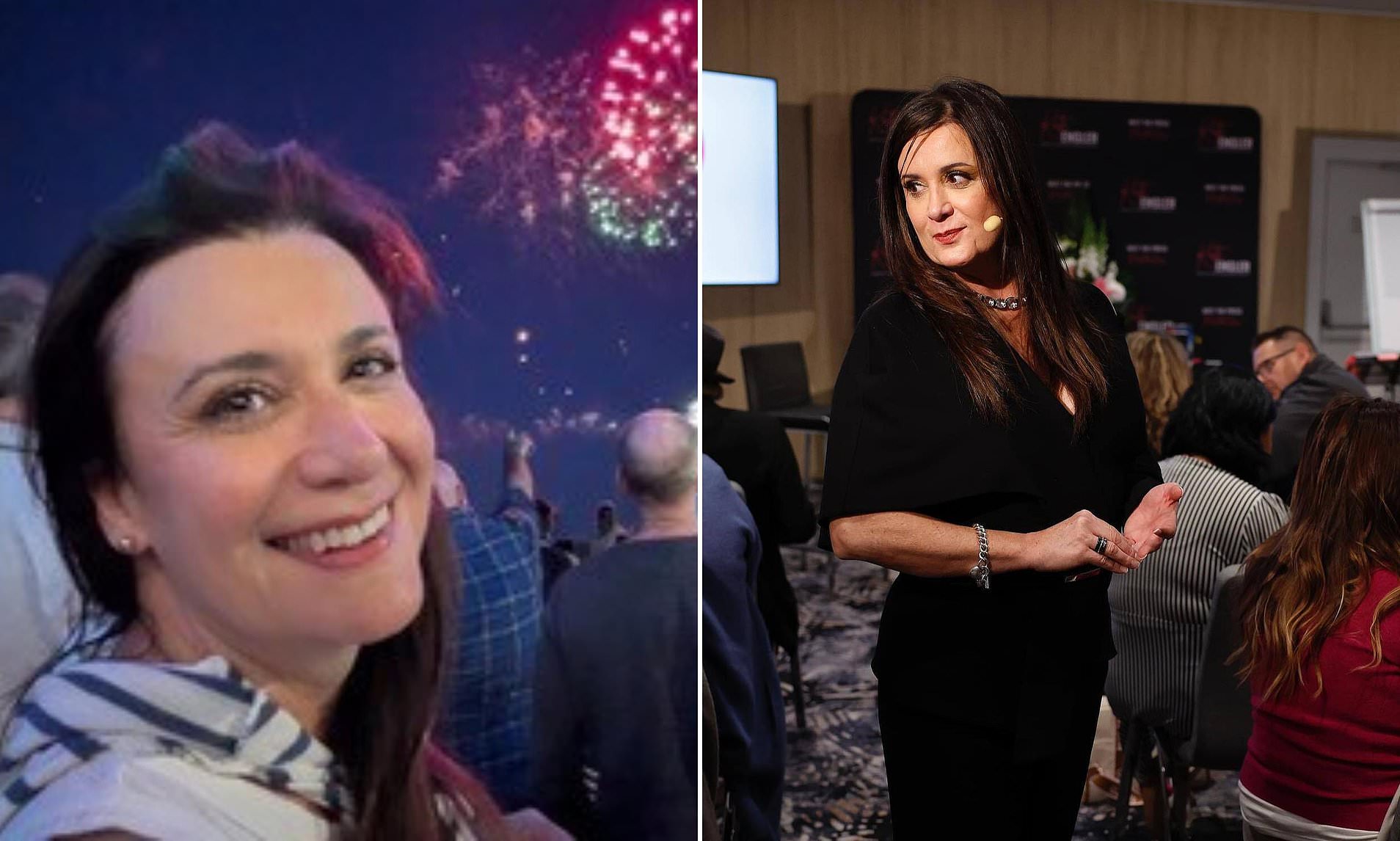
Kate Engler, a 57-year-old business coach from Queenscliff, found herself in an unexpected situation when her doctor recommended Ozempic to manage her menopausal symptoms. This suggestion came after she experienced significant weight gain and struggled with the physical and emotional challenges of menopause.
Her journey began in 2020 when she started experiencing what she calls ‘cougar puberty’—the transition period before menopause where symptoms begin to appear. “It’s like someone swapped your body in the night. It looks the same, but it doesn’t behave like it used to,” she explained. The first sign was erratic periods, followed by hot flushes that soon became unbearable. “It felt like someone lit a furnace in my chest. I think my electric blanket was set to 75!”
Sleep deprivation became a major issue for her. “Without sleep, I was wrecked.” Initially, she sought relief through traditional Chinese medicine, including pulse therapy and acupuncture, but the results were temporary, and her symptoms returned.
When she mentioned to an endocrinologist that she had gained about five kilograms, which was significant for her, the doctor suggested using Ozempic, a weight loss injection. “He told me, ‘You just need to eat like a bird,'” she recalled. This advice shocked her. “I couldn’t believe it! I was like, ‘No way. I couldn’t be eating any more like a bird—like, I am eating so little, it’s surprising I’m still functioning.'”
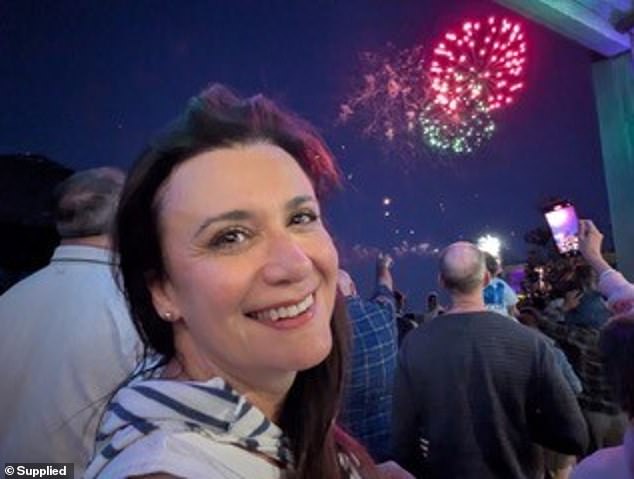

She was horrified that the doctor saw Ozempic as a ‘one-size-fits-all’ solution for menopausal weight gain. “It makes you realize how little information there is about menopause and how ill-equipped some doctors are.”
Eventually, Ms. Engler connected with a specialist in women’s hormonal health, who helped her with a personalized HRT plan. “Now, I sleep through the night. No hot flushes. I feel in balance again,” she said. However, she emphasized the importance of open conversation about menopause. “We need to start talking about menopause—loudly. With our doctors. With our friends. With our daughters.”
She highlighted the barriers that prevent women from speaking out about menopause, such as workplace stigma, embarrassment, shame, and cultural norms. She shared instances where she would use a chilled towel on her thighs during Zoom calls to combat hot flushes.
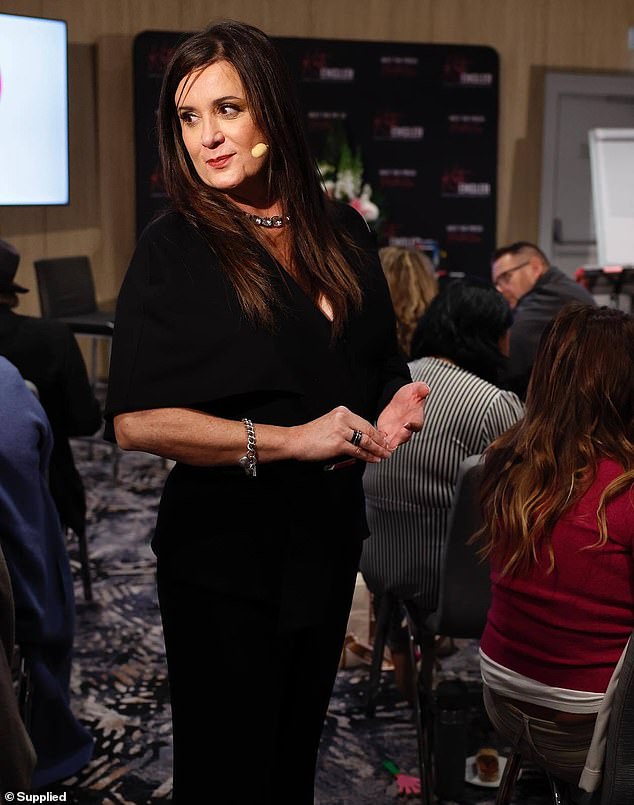
Ms. Engler is not alone in her struggles with Australian workplace approaches to menopause. A recent report by the British Standards Institution, which surveyed 1,000 Australian women, revealed that 77% of them believe better support around menopause would help them work longer. Almost a quarter (23%) see menopause as a barrier to staying in their workforce.
Kathryn Carter, who experienced early menopause at 39 following IVF, founded the perimenopause supplement company MyPause Health. “Women shouldn’t have to choose between their health and their careers,” she said. As a former Snapchat GM, she believes Australia should follow America’s lead, where ‘cougar puberty’ led by midlife women, often in leadership roles, is driving workplace reforms.
“There is such a lack of awareness, and I realized that so many women, myself included, were silently navigating this challenging phase without the resources or support they truly needed,” she added.