

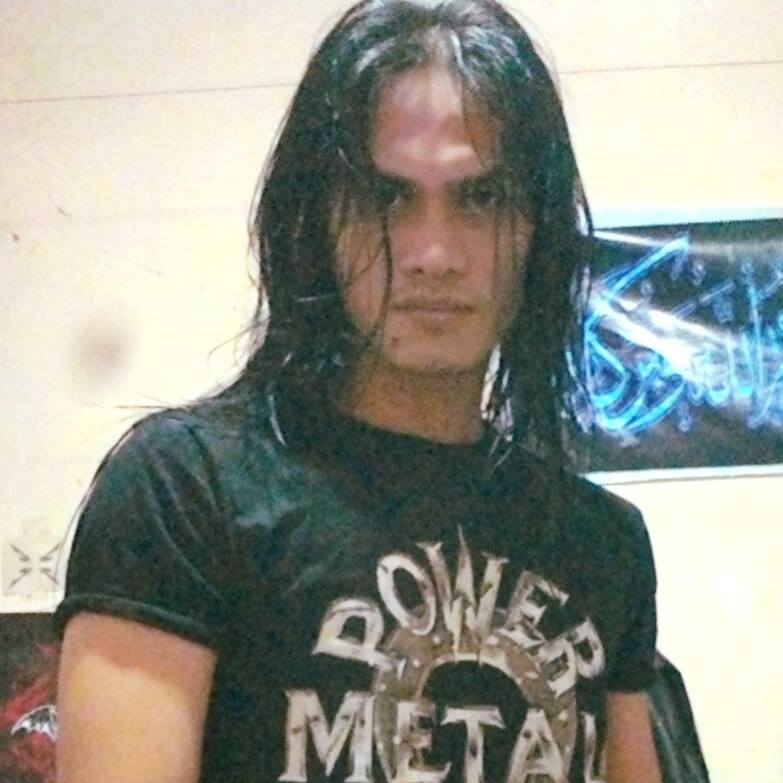
Independent Candidate Emerges from July Uprising Movement to Contest Dhaka-18
A prominent figure associated with the July Uprising has announced his intention to run as an independent candidate in the upcoming 13th parliamentary election, targeting the Dhaka-18 constituency. Mohiuddin Roni, a name that gained traction during the widespread public demonstrations, is stepping into the political arena with a clear vision for national sovereignty and public welfare.
Roni, in a video message shared on his official Facebook page, articulated his motivations for seeking elected office. His primary objective, he stated, is to serve the constituents of Dhaka-18 and contribute to the establishment of a just and equitable state. Central to his platform is the aspiration for a nation free from external interference and dominance, specifically addressing concerns about foreign aggression and what he described as “Indian hegemony.”
The path for independent candidates in Bangladesh’s parliamentary elections is a rigorous one, demanding significant community backing to validate their candidacy. Roni highlighted the critical requirement of securing support from at least 200 registered voters within the Dhaka-18 constituency. These supporters must formally endorse his nomination by signing specific forms, a crucial step in the electoral process. The deadline for submitting this list of supporters, along with other official nomination documents, is set for December 29, adhering strictly to the election commission’s regulations.
“I believe you (the people) are my strength,” Roni emphasized in his message, underscoring his reliance on grassroots support rather than traditional party structures. This statement reflects a broader sentiment among independent aspirants who often position themselves as voices of the people, unburdened by party loyalties.
The Hurdles for Independent Candidacy
The electoral framework in Bangladesh mandates a substantial show of support for independent candidates to ensure their nominations are considered legitimate. To qualify, they must present a list of supporters that includes the signatures of at least 1% of the total registered voters within their chosen constituency. This threshold serves as a practical measure to gauge the candidate’s existing public appeal and local connection.
The submission process is multifaceted. Alongside the requisite supporter forms, candidates must also file their official nomination papers. These documents are presented to the Returning Officer (RO) designated for the constituency. The RO is responsible for verifying the authenticity of the nomination papers and the supporting documentation, including the list of signatures, before accepting the candidacy. The strict adherence to the deadline is paramount, as any delay can result in disqualification.
The emergence of figures like Mohiuddin Roni from protest movements into the formal electoral landscape often signals a desire for change and a direct engagement with the political system. Their campaigns typically focus on issues that resonate with public sentiment, often highlighting corruption, governance, and national interests. For Roni, his bid for Dhaka-18 represents a significant undertaking, requiring him to mobilize a substantial number of voters who are willing to publicly endorse his independent candidacy and navigate the complex administrative requirements of the election commission. The coming weeks will be crucial as he works to gather the necessary signatures and formally submit his nomination, aiming to translate the momentum from the July Uprising into electoral success.