

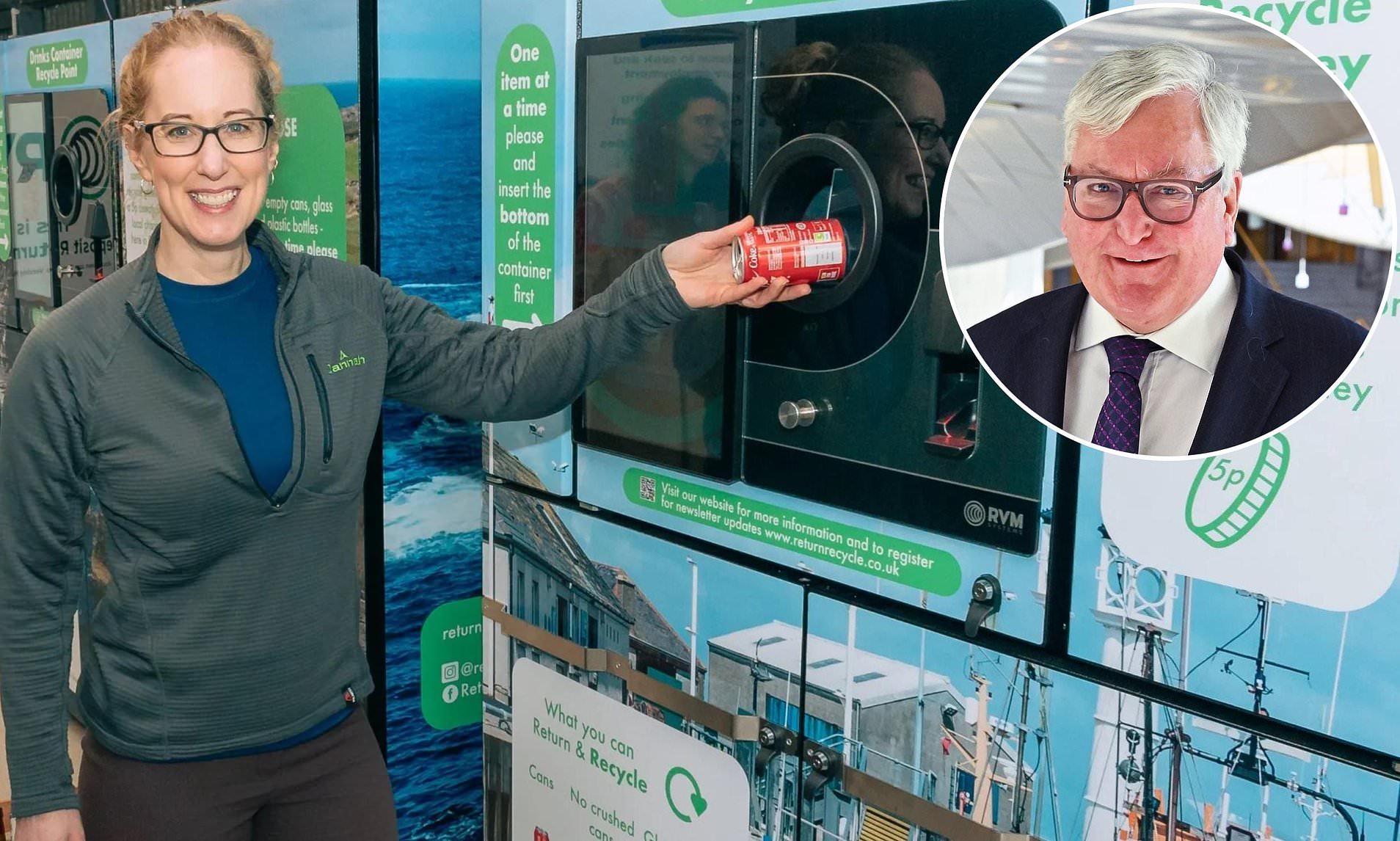
The Biffa Case and the Scottish Government’s Missteps
The recent Biffa v Scottish Ministers case has revealed a series of serious missteps by the Scottish Government, particularly under the leadership of Nicola Sturgeon and Lorna Slater. The outcome of this legal battle has exposed significant flaws in the management of the Deposit Return Scheme (DRS), which was supposed to be a pioneering recycling initiative. However, what emerged during the two weeks of court proceedings should serve as a source of deep concern for all involved.
As a lawyer and a politician, I found the evidence presented during the case to be both shocking and indicative of a systemic failure in governance. The promises made by Ms. Sturgeon and Ms. Slater were not only unqualified but also misleading. They gave “letters of comfort” that suggested the DRS would be delivered with their “unwavering support.” However, long before these assurances were given, it was clear that consent from the UK Government was required under the Internal Markets Act (IMA). Despite this knowledge, the necessary steps were not taken, leading to a situation where the scheme could not proceed legally.
This lack of preparation led to a number of practical consequences. Former Scottish Secretary Lord Alister Jack highlighted the challenges of having two divergent schemes in the UK, which could result in different labeling systems, issues with product distribution, and increased prices. These problems could have far-reaching effects on businesses and consumers alike, making the situation even more embarrassing for those who believe in Scottish home rule.
Civil servants played a role in concealing the IMA issue by excluding it from the project’s risk register. This deliberate omission suggests a cover-up from the outset, with ministers acting as if there was nothing to see. It is a troubling reflection on the transparency and accountability within the government.
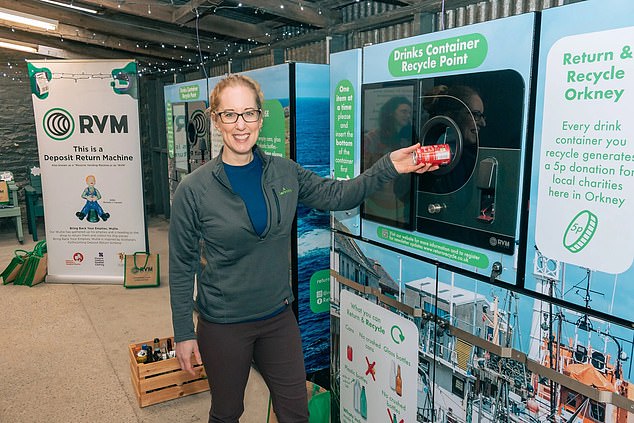

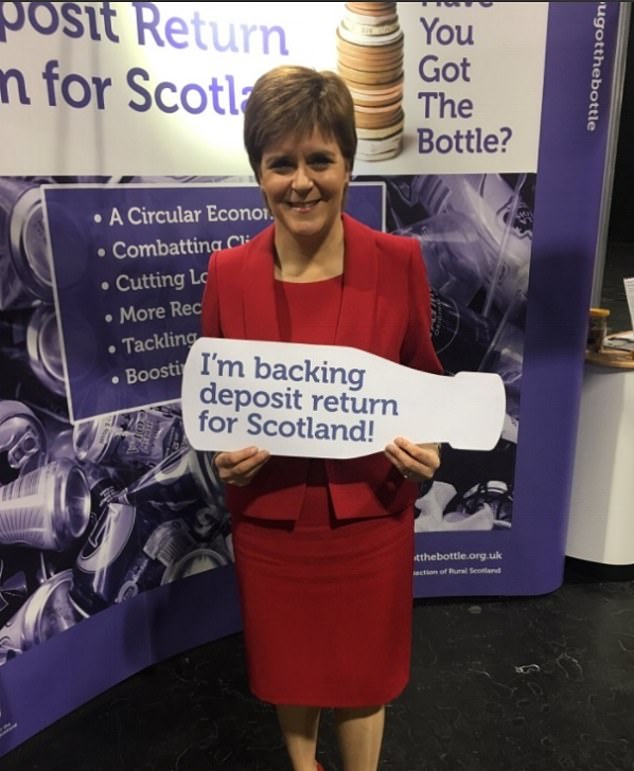
As Cabinet Secretary for Rural Development before the 2021 election, I had the opportunity to discuss the DRS with Roseanna Cunningham, who was responsible for the scheme. I raised concerns about potential issues, but my input was met with little interest. The policy was pushed through without adequate discussion, reflecting a pattern of prioritizing image over effective governance. This approach was not unique to this instance, as it has been a recurring theme under Sturgeon’s leadership.
Lorna Slater cannot bear sole responsibility for the failure of the DRS. She was a new MSP, appointed to manage a £2.5 billion scheme shortly after taking office. This decision placed an immense burden on her, and the First Minister and her deputy, John Swinney, must share the blame. When the failure became apparent, Swinney should have intervened by either appointing a Cabinet Secretary or getting directly involved. In a well-functioning team, such actions are standard practice, but this did not happen here.
It is evident that the entire cabinet wanted to avoid being associated with a failing policy. I reached out to John Swinney early in the parliament, suggesting he meet with grocers, breweries, waste companies, and distillers. Unfortunately, I never received a response. Whatever the outcome of the Biffa case, the implications will be significant.
A court defeat costing taxpayers over £50 million would be the most embarrassing in the history of devolution. This debacle serves as a cautionary tale about how not to manage a project or govern a country. It also reinforces the idea that no Green MSP should ever be entrusted with ministerial responsibilities.
More concerning, however, is the potential impact on business confidence. Companies have already suffered due to the lack of transparency and trust in the government. Without this trust, effective governance becomes impossible, and the people of Scotland will not receive the service they deserve.
Read more
Did Scotland’s ambitious plan crumble due to a massive £166 million blunder involving waste giant Biffa?
Is the Scottish Government facing a multi-million-pound lawsuit from Biffa after a monumental failure of the promised recycling initiative?
How did the Scottish Government’s decisions lead to a colossal £51.4 million lawsuit and business distrust?
Did missteps by the Scottish Government lead to a ‘comedy of errors’ in their failed recycling scheme?
Will Scotland’s government risk deepening public mistrust by sidelining ministers in the fiercely opposed Flamingo Land development?