
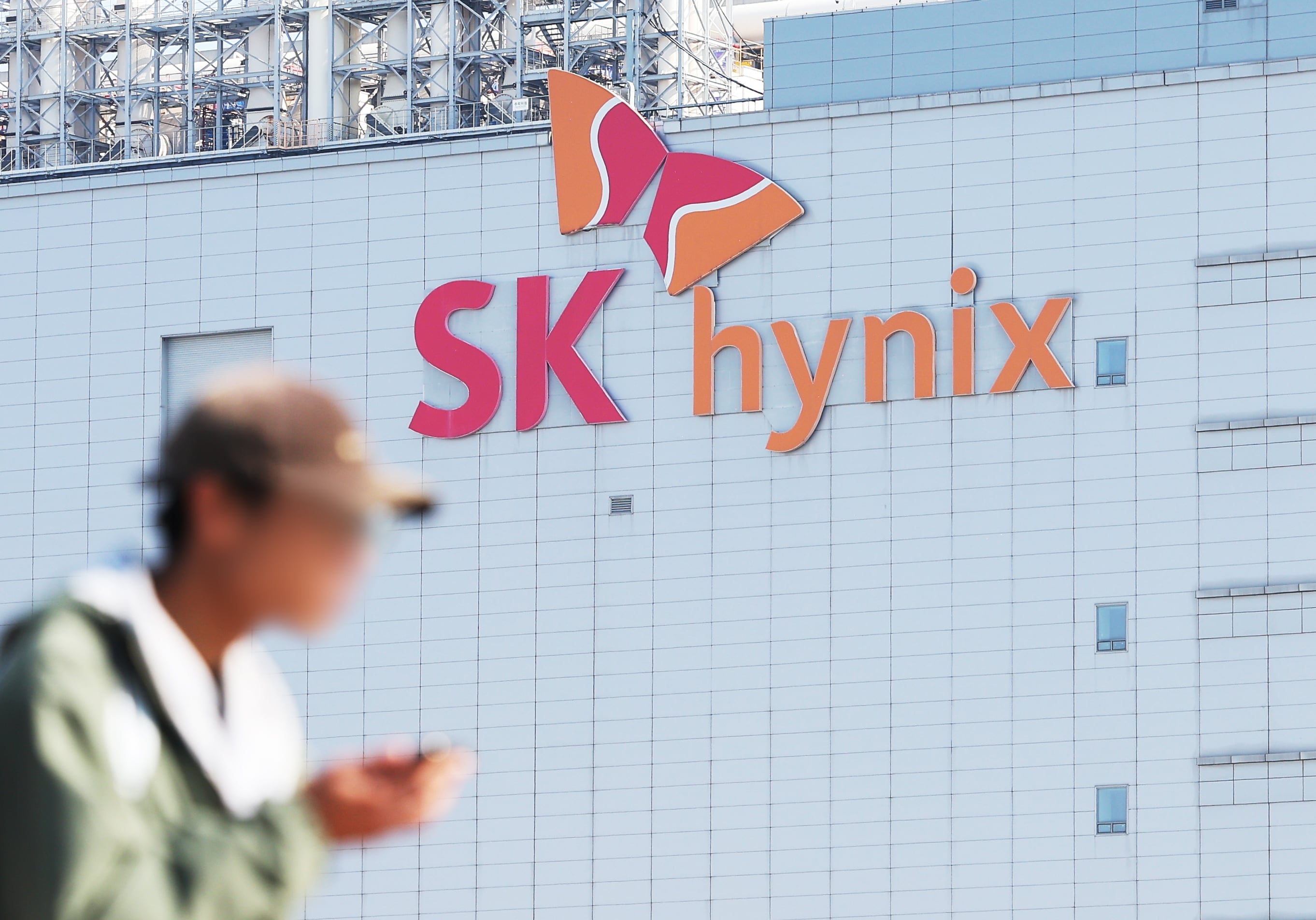
The Korea Corporate Governance Forum, a collective of over 100 South Korean capital market experts focused on promoting activist investing, has voiced its strong objections to the government’s plan to allocate 150 trillion Korean won from the National Growth Fund to SK Hynix’s great-grandchild companies. The forum argues that this initiative could lead to significant complications and negatively impact corporate governance standards.
In a recent statement, the forum highlighted the government’s intention to relax regulations that currently separate financial and industrial capital, specifically for advanced industries. This regulatory easing, they contend, would pave the way for funds from the National Growth Fund to be channeled into SK Hynix through its lower-tier subsidiaries.
The forum elaborated on the implications of the proposed regulatory changes:
- Reduced Ownership Requirements: Currently, a subsidiary is required to have full ownership of its great-grandchild company. The proposed relaxation would reduce this ownership requirement to 50% for great-grandchild companies.
- Financial Leases Allowed: The revised regulations would also permit holding companies to hold financial leases.
According to the forum, these changes would enable large conglomerates like SK Inc. to expand their business operations significantly. They could secure government equity investments and access low-interest loans through a network of great-grandchild companies. This raises concerns about the potential for undue influence and preferential treatment.
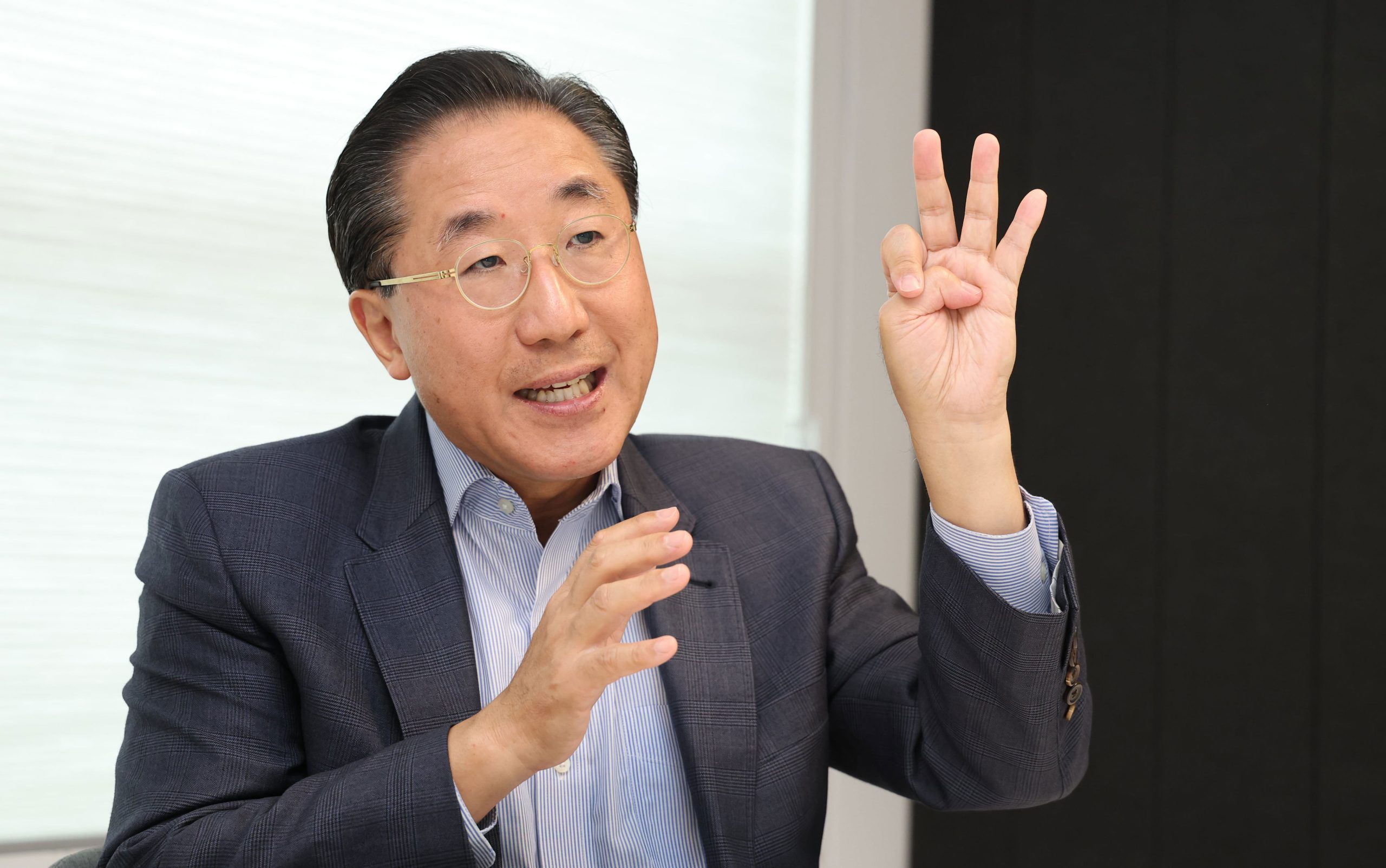
Lee Nam-woo, the chairman of the Korea Corporate Governance Forum, provided a specific interpretation of SK Hynix’s potential strategy. He suggested that SK Hynix might utilize joint ventures (JVs) or special purpose companies (SPCs) with 50% ownership to receive equity investments and low-interest loans from the National Growth Fund. These funds could then be used to construct semiconductor facilities, which would subsequently be leased back to SK Hynix. Chairman Lee warned that other large corporations could similarly exploit this mechanism to expand their businesses using government funds and favorable loan terms.
The forum’s primary concern revolves around the potential for corporate governance deterioration.
- Shareholder Dilution: Lee Nam-woo emphasized that if SK Hynix establishes a joint great-grandchild company with government equity investment, existing shareholders would face dilution in their semiconductor sales proportions. This, he argued, is a serious problem that could negatively impact shareholder value.
- Market Perception: The forum believes that the market will likely react negatively to such arrangements, viewing them as a step backward in corporate governance standards. This could erode investor confidence and potentially harm the overall investment climate.
Furthermore, the forum questioned the necessity of government funding, pointing out that SK Hynix is projected to have 100 trillion Korean won in net cash by the end of 2027. This substantial cash reserve should be sufficient to finance its investment needs independently. The forum also suggested that if additional capital is required, SK Hynix could issue new American Depositary Receipts (ADRs) to raise funds from international investors.
In a separate but related matter, the Korea Corporate Governance Forum also expressed reservations about the government’s recent appointment of Park Hyun-joo, chairman of Mirae Asset, and Seo Jung-jin, chairman of Celltrion, as co-chairs of the National Growth Fund Strategy Committee.
The forum raised specific concerns about both appointees:
- Park Hyun-joo: The forum criticized Park’s practice of avoiding formal obligations and responsibilities by not serving as a registered director, despite being involved in making key decisions. This lack of formal accountability raises questions about transparency and oversight.
- Seo Jung-jin: The forum noted that Seo has faced criticism in the past regarding family-related issues and opaque management succession practices. These concerns raise questions about his suitability to oversee the allocation of significant public funds.
Lee Nam-woo reiterated the forum’s core position, stating that equity investments from the National Growth Fund must not infringe upon the interests of existing shareholders. He cautioned that a rushed implementation of the government’s plan could undermine the progress made by recent revisions to the Commercial Act and potentially trigger capital flight from foreign investors, ultimately harming the South Korean economy. The forum urges a more cautious and transparent approach to ensure that the National Growth Fund is used effectively and responsibly, without compromising corporate governance standards or shareholder rights.