
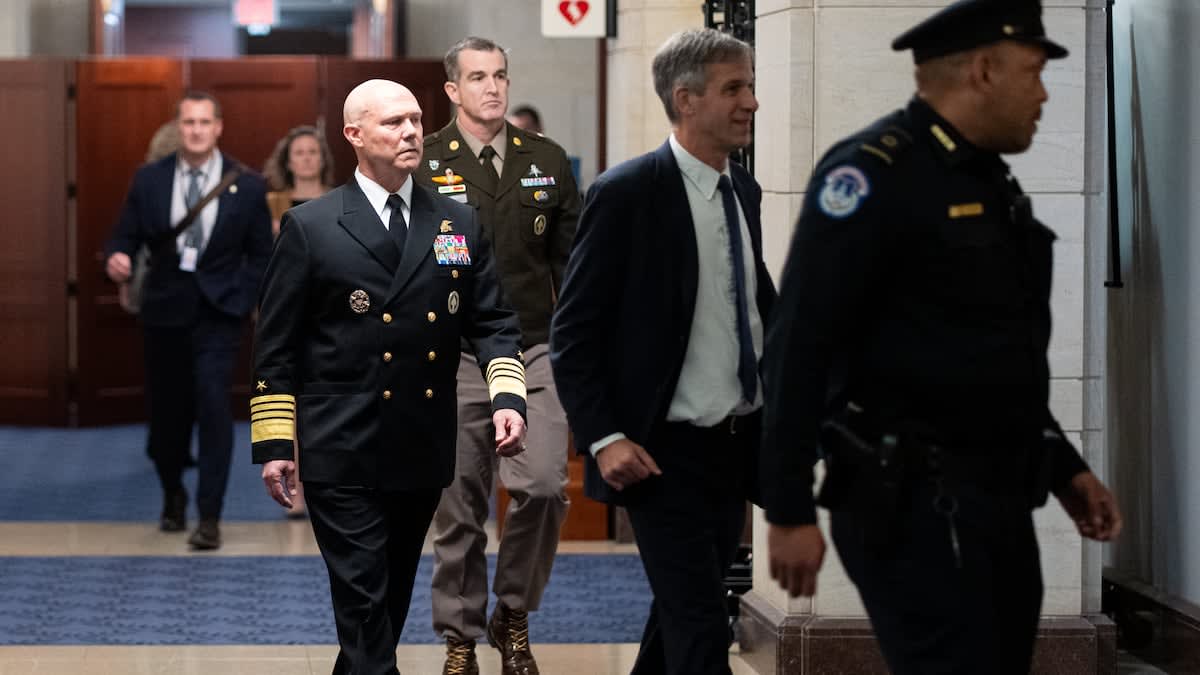
The U.S. Special Operations Command, headquartered at MacDill Air Force Base in South Tampa, Florida, and its new chief, Navy Adm. Frank “Mitch” Bradley, have emerged as increasingly prominent figures in the Trump administration’s recent military actions against Venezuelan vessels. Over the past several months, President Trump has authorized a series of strikes targeting what he alleges are Venezuelan boats engaged in trafficking narcotics destined for the United States.
These operations are part of “Operation Southern Spear,” which commenced in January. The Pentagon states that the mission, carried out using unmanned, robotic boats and aircraft, aims to interdict the flow of illicit drugs. To date, the Pentagon reports that at least 99 individuals, whom they characterize as “narco-terrorists,” have been killed in these strikes.
While the overarching operation is directed by U.S. Southern Command, based in Doral, Florida, Special Operations forces are playing a critical role in its execution.
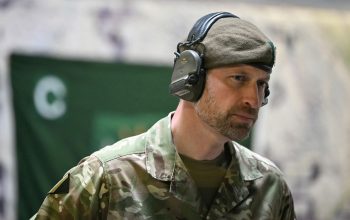
Admiral Bradley’s ascent to command of Special Operations Command (SOCOM) followed a tenure as commander of the Joint Special Operations Command (JSOC). JSOC is a more specialized component within the broader SOCOM structure, responsible for executing highly sensitive special missions globally. SOCOM itself, situated in South Tampa, is a hub for approximately 3,500 special forces personnel drawn from all branches of the U.S. military. Globally, the U.S. special forces community comprises 70,000 members. These elite units operate under presidential orders but also possess a degree of discretion in making operational decisions during their missions.
In his previous role as commander of JSOC, Admiral Bradley reportedly authorized a strike on a Venezuelan vessel on two separate occasions. The second engagement targeted individuals who were clinging to the vessel after the initial attack.
This particular action has drawn contrasting reactions. Congressional Republicans have lauded the strike as justified and appropriate. Conversely, Democrats and various defense experts have voiced criticism, suggesting the strikes may contravene international law. Their concerns stem from the fact that the second strike allegedly killed shipwrecked survivors who posed no immediate threat. Officials within the Trump administration have countered these criticisms by asserting that the individuals were indeed “narco-terrorists” actively attempting to continue their illicit drug operations, and their elimination was deemed necessary.
While Admiral Bradley has reportedly expressed openness to releasing video footage of the attack, he does not possess the authority to declassify and release such material. Defense Secretary Pete Hegseth has indicated that the Pentagon will not make the footage public.
Admiral Bradley’s Background and SOCOM’s Evolving Mission
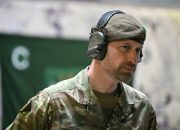
Before assuming command of SOCOM on October 3rd, Admiral Bradley held leadership positions within various special forces components since 2020. A U.S. Navy SEAL officer, he brings 37 years of service to his current role, with extensive experience in ordering military strikes in conflict zones worldwide. He is a graduate of the U.S. Naval Academy in Maryland and hails from Texas.
When reached for comment, Special Operations Command spokeswoman Col. Allie Weiskopf declined to answer questions regarding the command’s involvement in the boat strikes or Admiral Bradley’s strategic approach.
During his confirmation hearing before the Senate Armed Services Committee in July, Admiral Bradley detailed his involvement in counter-terrorism operations dating back to the aftermath of 9/11. He also advocated for an increase in the Special Operations Command budget, emphasizing that the force is increasingly tasked with executing more complex military operations. He eschewed the notion of a “do more with less” philosophy, stating instead that the command is currently operating under a “less with less” paradigm, necessitating a focus on only the most critical missions.
Approximately one month into his tenure as SOCOM chief, Admiral Bradley addressed students at the Naval Postgraduate School in California, discussing the evolving mission of special operations forces and the changing landscape of modern warfare. According to an article published on the school’s website, he stated, “What makes us effective is the way we combine our values, our precision, and the academic partners who help us understand the environment we are operating in. Bringing our values to the battlefield and applying them with precision is what sets us apart.”
The Special Operations Command is poised to remain a pivotal force in what Secretary Hegseth recently described as merely the initial phase of the campaign against Venezuela. This past week, President Trump announced a U.S. military blockade of oil tankers to and from Venezuela, officially designating the country’s regime as a foreign terrorist organization. In a social media post on December 16th, President Trump stated, “Venezuela is completely surrounded by the largest Armada ever assembled in the History of South America. It will only get bigger and the shock to them will be like nothing they have ever seen before.”