
The 11th International Forum of the Arab Association for Media and Communication Sciences (AAMCS) has concluded in Beirut, Lebanon, marking a significant step forward in addressing the impact of artificial intelligence on media and communication in the Arab world. The forum, themed “Towards a Shared Vision for Communication Sciences in the Age of Artificial Intelligence,” convened at the Lebanese University on December 4th and 5th, 2035.
This gathering of leading academics and experts culminated in a series of key recommendations designed to guide the Arab research and media community in navigating the transformative changes brought about by AI.
Broad Participation and Recognition of Academic Excellence
The forum distinguished itself through robust participation from across the Arab world and beyond. Researchers from Lebanon, Morocco, France, and numerous other Arab nations were present, alongside representatives from prominent media organizations and universities. This widespread engagement underscored the growing importance of AAMCS as a vital academic platform promoting collaborative research and fostering dialogue on pressing intellectual issues.
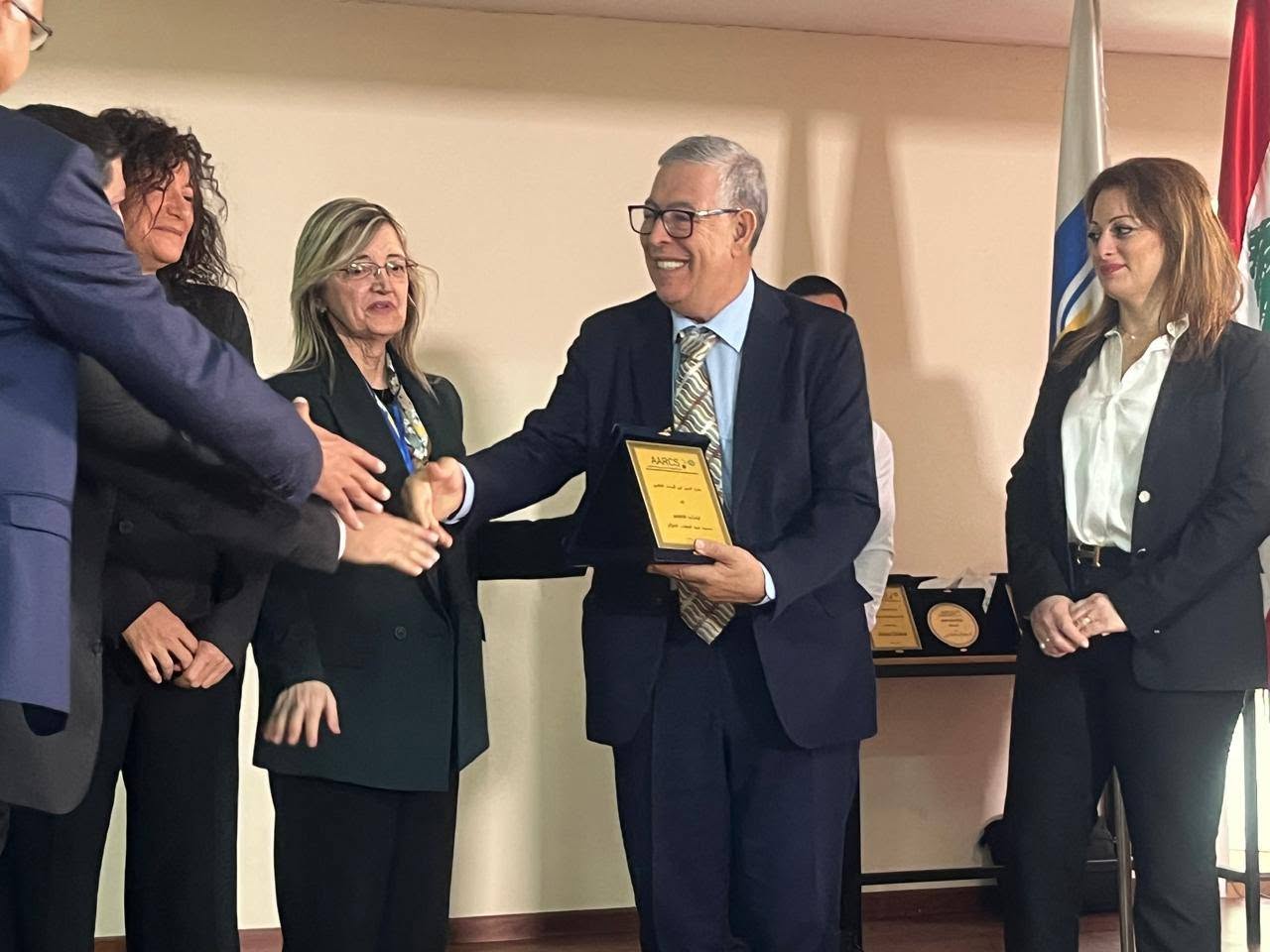
The opening session featured a special tribute to pioneers and institutions, with the presentation of the Shield of Excellence in Scientific Research for 2035 to several distinguished Arab and international researchers. Among those honored were:
- Dr. Mohamed Abdelwahab Allali from Morocco, President of the International Center for Media and Development Studies.
- Professor Emeritus Bertrand Cabedoche from France.
An unnamed female Doctor, recognized for her significant academic contributions.
These awards recognized their outstanding contributions to the field. Additional academic figures and supporters of the association were also recognized for their contributions.
Challenging Traditional Theories in the Age of AI
A central theme of the forum was the need to re-evaluate and adapt existing media theories in light of the rapid advancements in AI. Over 50 research papers were presented, sparking lively and insightful discussions. Dr. El-Allali’s presentation on the second day, titled “The Intractability of Traditional Theories in Media and Communication Research in the Arab World and the Transformations of Artificial Intelligence,” proved particularly impactful.
Dr. El-Allali’s presentation highlighted the inherent conflict between the Western origins of many established media theories (such as the Shannon and Weaver model) and the unique political and social dynamics of the Arab world. He argued that these traditional theories are increasingly inadequate in explaining new media phenomena driven by AI, including algorithmic censorship, challenges to digital sovereignty, and automated gatekeeping.
He emphasized the urgent need for a sophisticated and self-critical Arab theoretical framework that can effectively analyze media disinformation, political discourse, and the control of big data within the specific context of the Arab region.
Key Recommendations: Ethics, Education, and Collaboration
The forum concluded with a set of recommendations emphasizing the need for a comprehensive shift in the media and higher education sectors to address the challenges and opportunities presented by AI. These recommendations included:
Academic Development: A call for Arab universities to radically update their Media and Communication Science curricula, incorporating specialized training on generative AI and big data analytics.
Ethics and Digital Sovereignty: The development of a unified ethical charter for the use of AI in communication and media across the Arab world. This includes establishing specialized Arab research networks focused on AI ethics to ensure digital sovereignty and uphold journalistic values.
Inter-sectoral Cooperation: Increased collaboration between universities, media organizations, and government institutions to apply the findings of scientific research and develop media models that support sustainable development.
- This collaboration is seen as crucial for bridging the gap between academic research and practical application, ensuring that media practices are informed by the latest scientific insights.
- By working together, these different sectors can create media models that are tailored to the specific needs and challenges of the Arab world, promoting sustainable development and fostering a more informed and engaged citizenry.
With these actionable recommendations, the 11th Forum solidified its position as a groundbreaking intellectual gathering. It reaffirmed Beirut’s role as a vital intellectual hub for Arab media, fostering collaborative and systematic action to address cognitive and technological challenges through informed research and strategic planning. The forum served as a catalyst for critical discussions and collaborative efforts aimed at shaping the future of media and communication in the Arab world in the age of artificial intelligence. It underscored the importance of adapting to the rapidly changing technological landscape while preserving journalistic integrity and promoting ethical practices.