

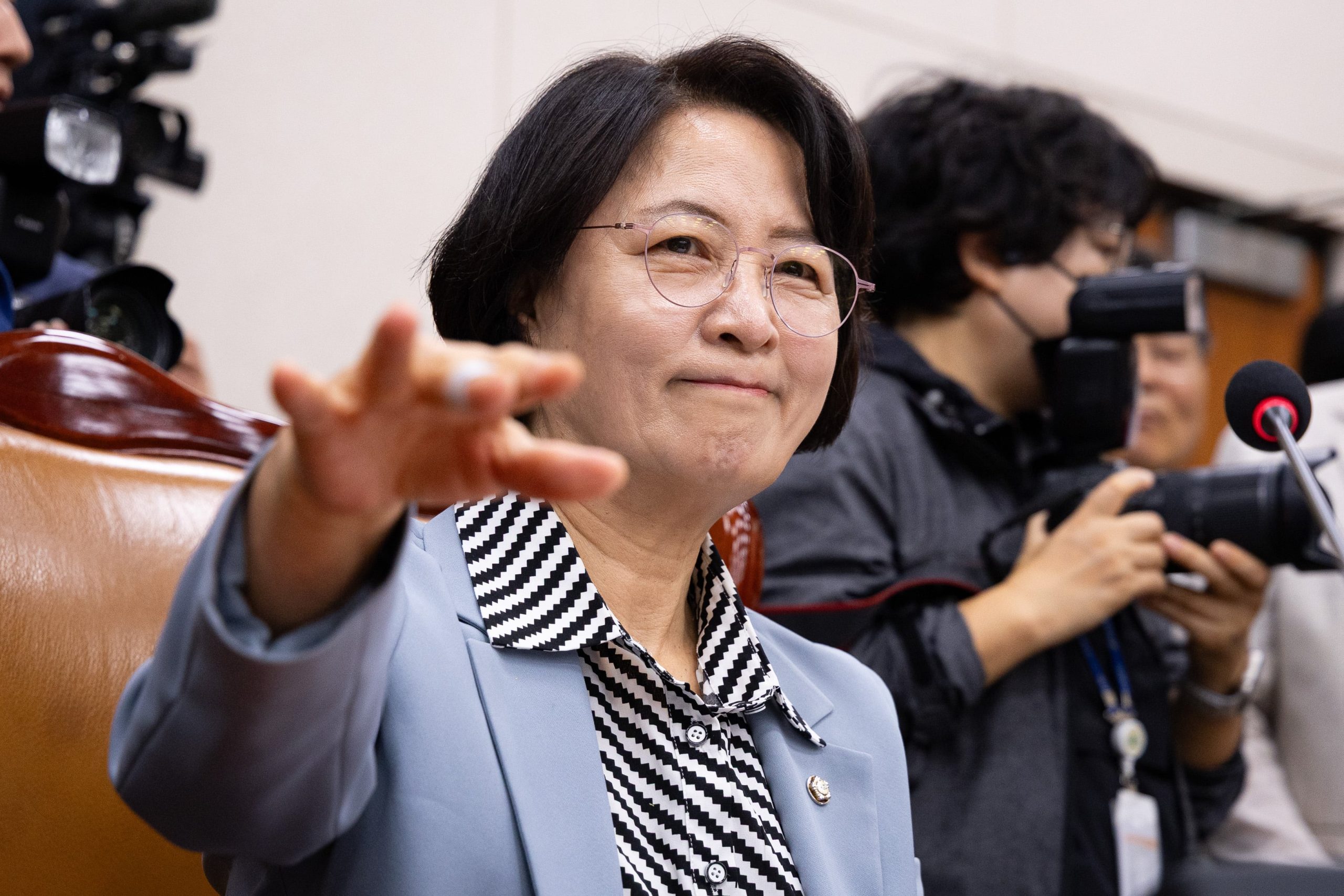
Choo Mi-ae Defends Insurrection Trial Division Amidst Controversy
Choo Mi-ae, a prominent lawmaker from the Democratic Party of Korea and the chair of the National Assembly’s Legislation and Judiciary Committee, has publicly defended the proposed establishment of an Insurrection-Dedicated Trial Division. This division has ignited significant controversy, with critics raising concerns about “hasty legislation” and potential “constitutional violations.” Despite these concerns, Choo maintains that the initiative is sound and necessary.
Choo addressed the swirling controversy head-on, stating, “There are no constitutional issues, though debates about unconstitutionality exist.” This statement comes in the face of mounting opposition from various sectors of the legal community, including the National Judges’ Representative Conference – a body composed of judges from across the nation – as well as Lawyers for a Democratic Society (Minbyun) and the People’s Solidarity for Participatory Democracy. These organizations have voiced serious reservations about the proposed division, but Choo has reiterated her party’s firm commitment to proceed with its establishment.
Addressing Critics and Justifying the Need
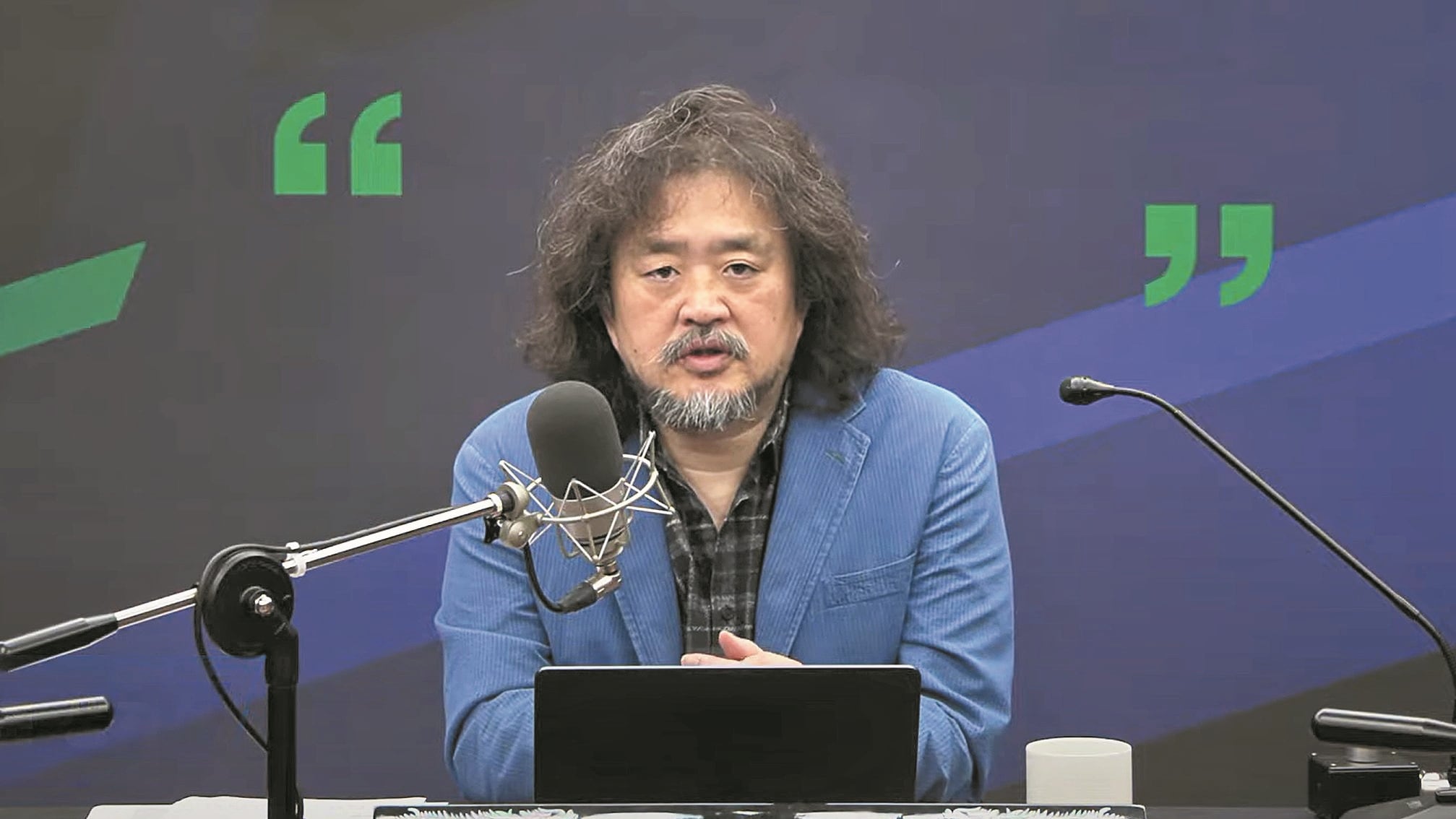
Choo directly addressed criticisms during a broadcast, referencing a past investigation led by Yoon Suk-yeol. “Didn’t Yoon Suk-yeol investigate and indict a sane person? What’s the use if the indicted person is later found not guilty?” she questioned. She further argued that the media is unfairly influencing public perception, stating that the media has “already labeled him as ‘a bad person,’ they are creating a fuss that this law is problematic.”
She also suggested that her own party might be underestimating the importance of this legislation. “The Democratic Party is also too sleepy and is about to be swept away by this fuss,” she warned. Choo emphasized the urgency of the situation, stating that the law “was necessary from the time when warrants for those involved in the insurrection trial were rejected.”
Addressing Constitutional Concerns and Seeking Solutions
Choo addressed concerns raised by the Constitutional Court regarding the potential for the division to be deemed a “special trial,” which could raise constitutional issues. She explained that the party attempted to mitigate these concerns by proposing a recommendation committee composed of already appointed judges. “Can’t we avoid disputes over this?” she asked, suggesting this approach would ensure fairness and impartiality.
Regarding the judges’ concerns, as expressed through the National Judges’ Representative Conference, Choo downplayed their significance. “Judges actually don’t know the details of this discussion,” she claimed. She pointed to testimony from the head of the National Court Administration before the Legislation and Judiciary Committee as evidence that the judges’ understanding of the matter is incomplete.
Judicial Reform and the National Court Administration
Choo also touched upon broader issues of judicial reform, revealing that the proposal to abolish the National Court Administration was a source of significant unease within the judiciary. “Judges were most upset by the proposal to abolish the National Court Administration when they saw the judicial reform bill,” she noted. She recounted a specific incident where the head of the National Court Administration, Chun Dae-yup, appeared visibly distressed when the abolition was mentioned.
Addressing the Discretionary Clause
A key point of contention surrounding the Insurrection-Dedicated Trial Division Act is the clause that grants the court of first instance the discretion to transfer cases to the dedicated trial division. Critics argue that this could raise constitutional issues. However, Choo dismissed these concerns, arguing that because the clause is not mandatory, it is unlikely to trigger a constitutional challenge. “Since it’s not a mandatory clause, even if an application is received, it doesn’t seem like a constitutional issue would immediately arise,” she stated.
Responding to Amendment Proposals
When questioned about the Rebuilding Korea Party’s proposal to amend the bill, Choo expressed skepticism about the effectiveness of such efforts. She cited the example of the National Assembly Ethics Special Committee, which is equally divided between ruling and opposition parties, and its frequent inability to reach consensus. “Even with equal numbers, nothing gets done,” she stated. She argued that granting the court more influence due to a perceived “judicial distrust” would be counterproductive. She defended her proposed amendment to the Constitutional Court Act, calling it “a good-faith legal technique.”
Legal Community Opposition
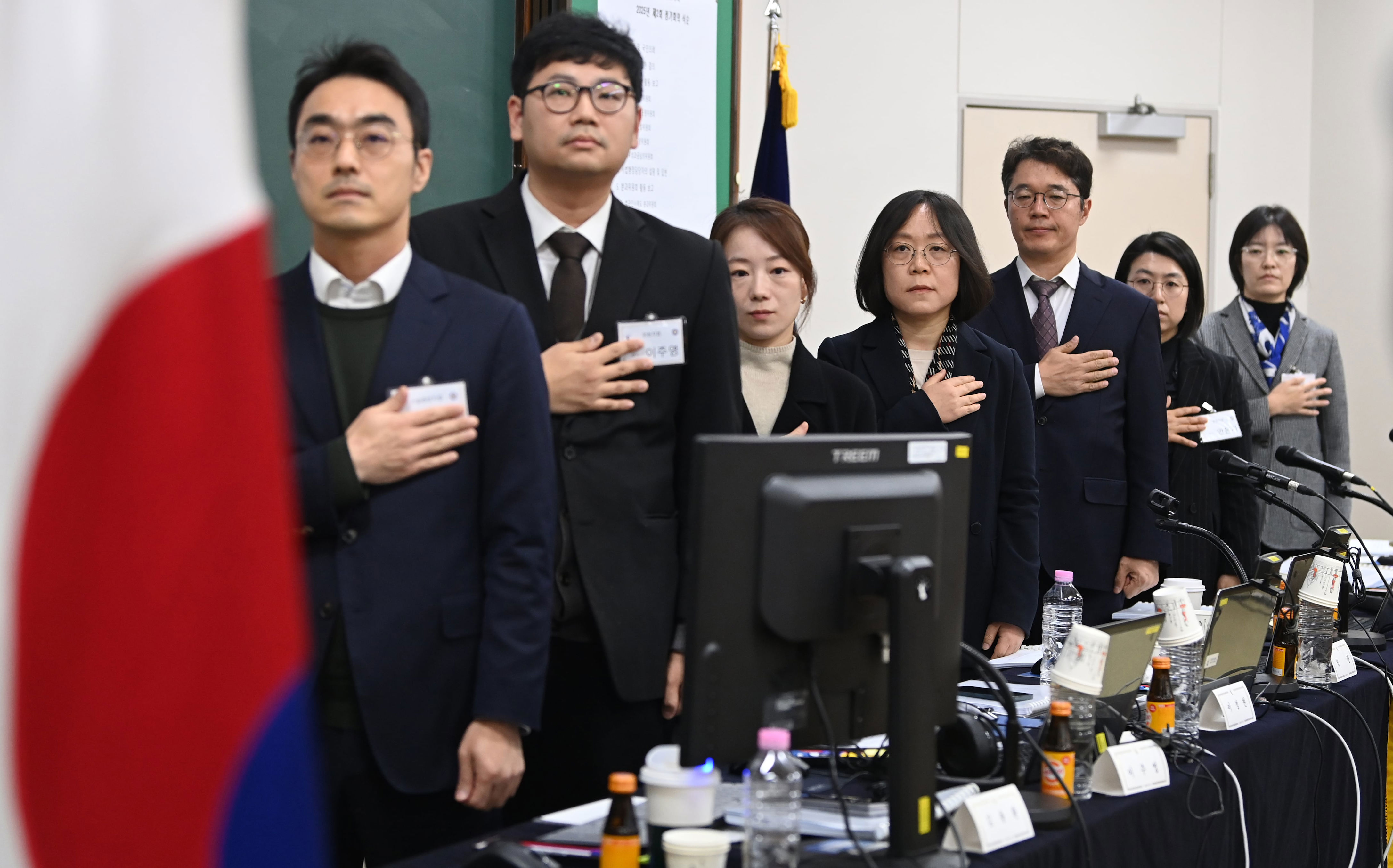
Despite Choo’s staunch defense, the legal community remains largely opposed to the Insurrection-Dedicated Trial Division. As previously mentioned, the National Judges’ Representative Conference has voiced “significant concerns about constitutional violations and infringement on judicial independence.” Other organizations, such as Minbyun and the People’s Solidarity for Participatory Democracy, have also expressed reservations, warning that the division could lead to further delays and disputes.
The bill remains pending in the Legislation and Judiciary Committee’s subcommittee, with the Democratic Party reportedly exercising “speed control” over its progress.