
Cities around the globe, once plagued by debilitating air pollution, have demonstrated the remarkable speed with which air quality can be improved through decisive action. Beijing, Seoul, Tokyo, and London serve as prime examples, showcasing how targeted efforts to curb emissions, particularly from older diesel vehicles like trucks and buses, can yield significant results in a surprisingly short timeframe.
Across both Asia and Europe, urban centers that implemented even modest improvements in fuel and emissions standards—advancing by just one or two levels—witnessed a dramatic reduction in fine particulate matter and harmful gases within a matter of years. The most substantial gains were achieved through the gradual phasing out of older diesel models or by mandating the installation of particle filter systems on existing vehicles.
Tokyo’s Transformation: A Pioneer in Emission Control
Tokyo’s journey towards cleaner air began in the early 2000s. Faced with growing concerns about air quality, the city government introduced stringent regulations specifically targeting diesel vehicles, particularly commercial trucks and buses, which were major contributors to pollution. These rules required owners to either retrofit their vehicles with diesel particulate filters (DPF) or cease operations within the city limits.
The enforcement of these regulations was swift and decisive. By 2003, diesel vehicles that did not comply with the new standards were prohibited from entering the city unless they had been upgraded with the required emission control technology.
The impact of these measures was immediate and significant. Studies conducted by Japan’s environment ministry revealed that fine-particle emissions from trucks and buses plummeted by more than 40% between 2001 and 2003. This dramatic reduction in emissions was sufficient for Tokyo to shed its reputation as a smog-ridden city, a stark contrast to the conditions prevalent in the 1990s.
Beijing’s Aggressive Approach: A Rapid Reduction in Pollution
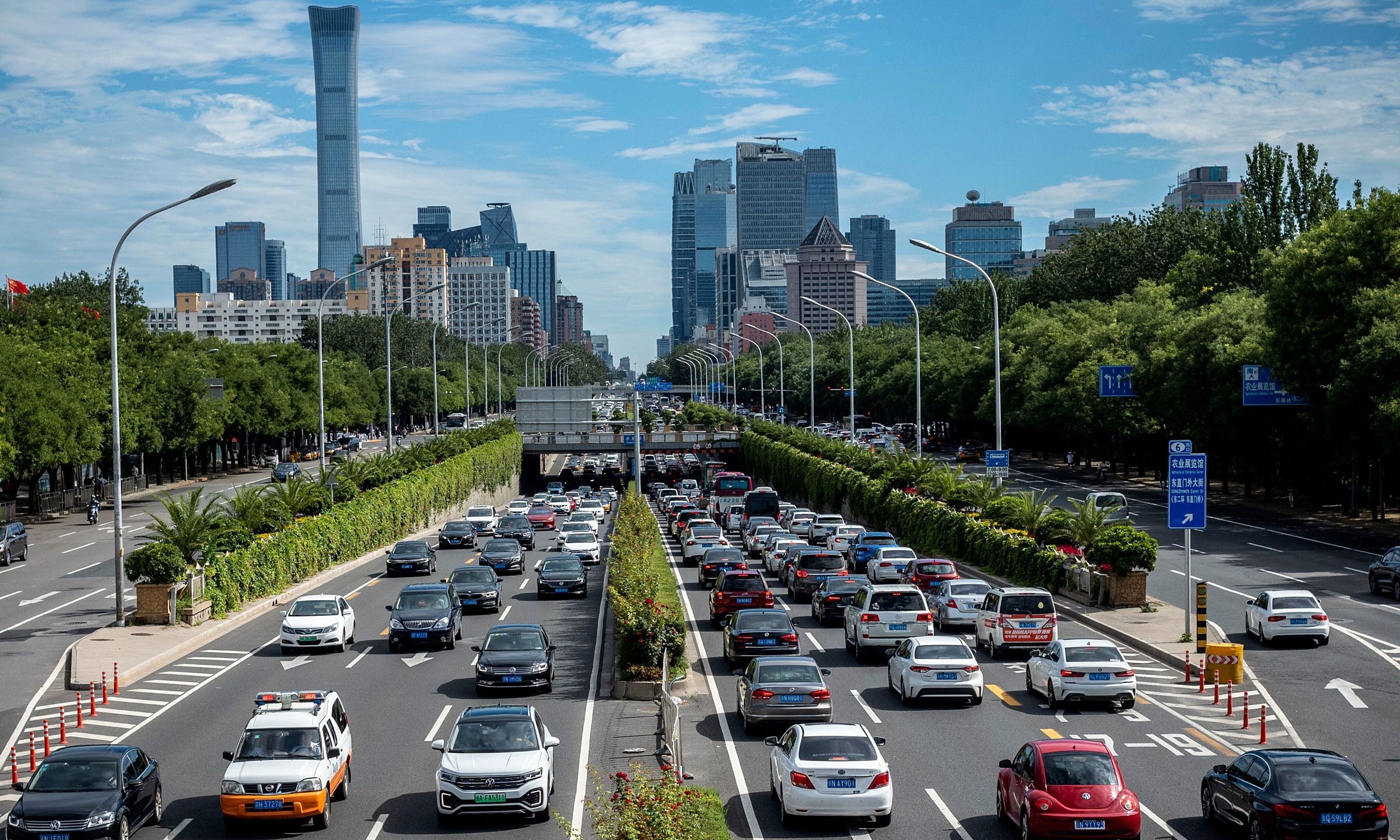
Inspired by Tokyo’s success, Beijing adopted a similar but even more aggressive strategy to combat air pollution. Recognizing the urgent need for cleaner air, the city implemented a series of measures aimed at reducing emissions from both vehicles and industrial sources.
From 2013 to 2017, Beijing significantly upgraded its new-vehicle standards, aligning them with China V (Euro 5) standards. This ensured that all new vehicles entering the city were equipped with the latest emission control technology.
In parallel with upgrading new-vehicle standards, Beijing also embarked on a large-scale removal of older, more polluting vehicles, specifically those meeting only China II/III standards. These older vehicles were a major source of emissions and their removal had a significant impact on air quality.
International research has confirmed the effectiveness of Beijing’s efforts. Studies have shown that the city’s average PM2.5 levels fell by approximately 35% during this period. In addition to PM2.5, levels of other pollutants, such as carbon monoxide (CO) and nitrogen oxides (NOx), also decreased, thanks to tighter control of diesel freight fleets and simultaneous reductions in industrial and coal emissions.
Seoul’s Comprehensive Strategy: Combining National Standards with Local Action
Seoul, the capital of South Korea, adopted a comprehensive strategy that combined stricter national emissions standards with targeted local initiatives to improve air quality.
Starting in 2005, the city implemented restrictions on older diesel vehicles, incentivizing owners to retrofit their vehicles with DPFs through subsidies. This helped to reduce emissions from the existing fleet of vehicles.
In addition to local initiatives, Seoul also gradually raised national emissions standards to Euro 4 and Euro 5, ensuring that new vehicles entering the market were cleaner and more efficient.
The combined effect of these measures was a significant improvement in air quality. Seoul’s average PM10 levels fell by roughly 30% from the early 2000s to the mid-2010s, demonstrating the effectiveness of a multi-pronged approach to emission control.
London’s Ultra Low Emission Zone: A Rapid Transformation
London’s transformation came later than the Asian cities but was equally rapid. The introduction of the Ultra Low Emission Zone (ULEZ) in 2019 marked a turning point in the city’s efforts to combat air pollution.
The ULEZ imposed strict emission standards on vehicles entering central London, barring gasoline cars below Euro 4 and diesel vehicles below Euro 6. This effectively removed the most polluting vehicles from the city center.
The impact of the ULEZ was immediate and dramatic. Transport for London reports that roadside NO2 levels in the core zone dropped significantly, in some locations nearly by half, compared to a scenario without the ULEZ. While PM2.5 levels fell more slowly, there was a steady decline around major roads.
Vietnam’s Emissions Roadmap: A Path Towards Cleaner Air
Inspired by the success of other cities, Vietnam is now developing its own emissions roadmap, outlining a series of measures to improve air quality.
From 2026, older vehicles will be required to meet Euro 1–4 standards, depending on their production year. This will help to reduce emissions from the existing fleet of vehicles.
Hanoi and Ho Chi Minh City, the country’s two largest cities, will adopt even stricter rules starting in 2027, phasing in Euro 4 and Euro 5 requirements. By 2029, vehicles that fail to meet these minimum thresholds will be banned from operating in the cities.
While Vietnam’s standards are currently lower than those of Tokyo, Seoul, or London, international experience demonstrates that even moderate upgrades, when strictly enforced and coupled with the removal of non-compliant vehicles, can lead to visible improvements in urban air quality within a few years. The key is consistent enforcement and a commitment to removing the most polluting vehicles from the roads.