

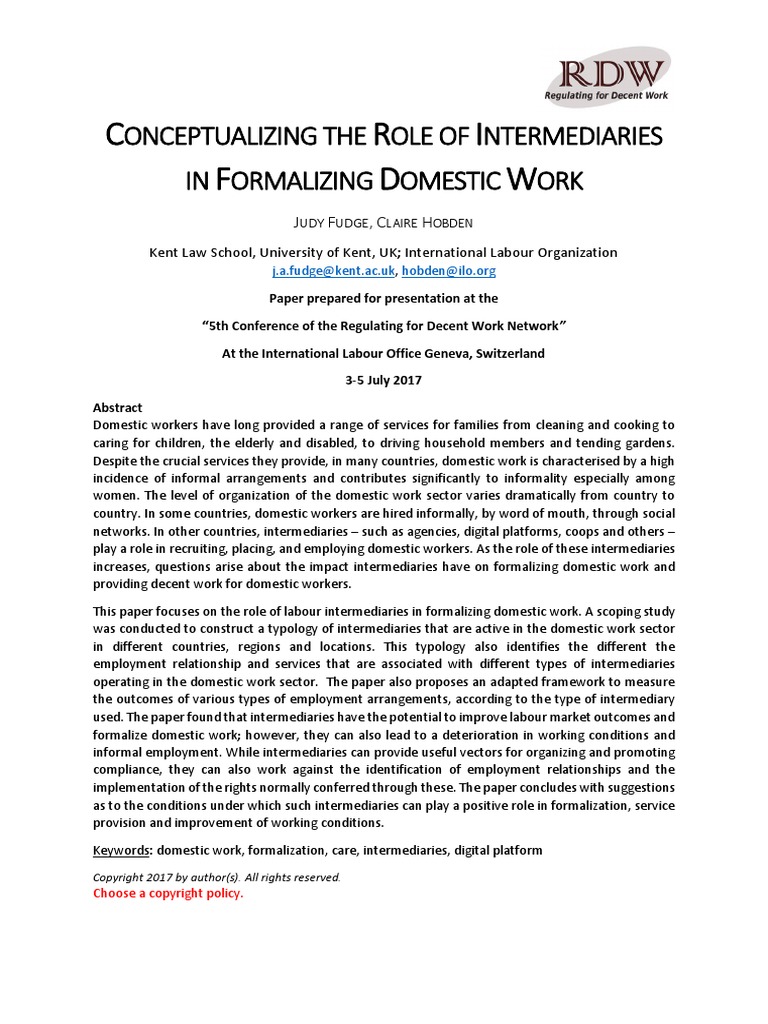
Formalising Nigeria’s Domestic and Care-Worker Sector: A Nationwide Initiative
A significant national effort is underway to bring formal structures and protections to Nigeria’s vital domestic and care-worker sector. This ambitious initiative, spearheaded by the National Agency for the Prohibition of Trafficking in Persons (NAPTIP), has garnered support from prominent organisations including the Nigerian Police Force, Keystone Bank, and Transcorp Hilton Abuja. The collaborative drive aims to professionalise a segment of the labour market that underpins millions of households across the nation.
The official launch of this crucial initiative took place on Friday at the National Women Centre in Abuja. This coordinated campaign is the brainchild of Coralworker.com, a platform dedicated to advancing the rights and professional development of domestic and care workers.
Empowering Workers Through Training and Awareness
Chinenye Ogbonnaya, the Founder and Chief Executive Officer of Coralworker.com, articulated the broader vision behind this undertaking. She explained that the initiative is a cornerstone in a larger strategy to formalise a labour segment that provides indispensable support to countless Nigerian families.
The coalition, in direct partnership with the Coralworker.com platform, is committed to delivering comprehensive and coordinated training and awareness programmes. These programmes are set to roll out across multiple states, with the primary objective of equipping domestic and care workers with a robust set of essential skills.
The curriculum will encompass critical areas such as:
- Ethical Conduct: Instilling a strong sense of professionalism and integrity in the workplace.
- Soft Skills Development: Enhancing communication, problem-solving, and interpersonal abilities crucial for effective service delivery.
- First Aid: Providing essential knowledge to respond to emergencies and ensure the safety of those under their care.
- Mental Health Awareness: Fostering understanding and sensitivity towards mental well-being, both for themselves and for the individuals they serve.
- Human Rights Protection: Educating workers on their fundamental rights and empowering them to assert these rights.
Addressing Persistent National Challenges
Ms. Ogbonnaya underscored the pressing need for such coordinated interventions, highlighting the persistent national challenges that necessitate this focused approach. Issues such as human trafficking, worker exploitation, and a general lack of adequate training have been identified as significant concerns affecting the sector. Stakeholders involved in this initiative firmly believe that coordinated interventions are not merely beneficial but essential for enhancing job security, boosting productivity, and promoting greater labour mobility for these workers.
The programme is meticulously designed to facilitate the integration of domestic workers into more formal employment structures. This transition is expected to have a profound impact on their earning capacity, leading to improved financial stability. Furthermore, by formalising their employment, these workers will be better positioned to contribute more significantly to the broader economic stability of the nation. This comprehensive approach aims to elevate the status of domestic and care work, recognising its crucial role in society and ensuring that those who perform these essential services are afforded the respect, protection, and opportunities they deserve.