
The escalating conflict in the Middle East has seen a significant rise in American casualties, with the number of wounded US service members now exceeding 300. Recent attacks on a key Saudi air base have resulted in numerous injuries, underscoring the volatile nature of the ongoing hostilities.
Escalating Attacks on Saudi Air Base
A significant incident occurred this past Friday when Iran launched a barrage of six ballistic missiles and 29 drones targeting Saudi Arabia’s Prince Sultan air base. According to individuals briefed on the situation, the assault left at least 15 US troops injured, with five sustaining serious wounds. Initial reports from US officials had indicated that at least 10 American personnel were hurt, including two with severe injuries.
This was not an isolated event. The Saudi base had been subjected to two prior attacks earlier in the week, one of which resulted in injuries to 14 US troops. These attacks highlight the persistent threat faced by American forces operating in the region. The base, situated approximately 96 kilometres (60 miles) from the Saudi capital, Riyadh, is a joint-use facility, operated by the Royal Saudi Air Force but also utilised by US troops. It has been a target almost since the commencement of the conflict, which officially reached its one-month mark on Saturday.
Tragically, the human cost of these attacks has also been evident in fatalities. Army Sergeant Benjamin N. Pennington, aged 26, was wounded during a March 1 attack on the base and succumbed to his injuries days later. He is among the 13 service members who have lost their lives in the war thus far.
Reinforcements Arrive in the Middle East
In response to the heightened tensions and the growing number of casualties, the United States has bolstered its military presence in the Middle East. U.S. Central Command announced on Saturday that a Navy ship carrying approximately 2,500 Marines has arrived in the region. The USS Tripoli, an amphibious assault ship, along with elements from the 31st Marine Expeditionary Unit embarked on board, are now positioned to respond to any emerging contingencies. These forces were originally conducting exercises in the waters around Taiwan when they received orders to deploy to the Middle East nearly two weeks ago.
The USS Tripoli, an amphibious assault ship, has arrived in the Middle East carrying approximately 2,500 Marines.
Beyond the personnel, the USS Tripoli also brings crucial assets to the region, including transport and strike fighter aircraft, as well as amphibious assault capabilities. Furthermore, the USS Boxer and two other vessels, accompanied by another Marine Expeditionary Unit, have also been directed to the region from San Diego, further reinforcing the US military’s posture.
Strategic Objectives and Diplomatic Efforts
While the build-up of forces suggests a readiness for further engagement, official statements have also emphasised the strategic approach being taken. Secretary of State Marco Rubio stated on Friday that the United States can achieve its objectives “without any ground troops.” However, he also acknowledged the necessity for President Trump to be “prepared for multiple contingencies” and that American forces are strategically positioned to provide the president with “maximum optionality and maximum, opportunity to adjust to contingencies should they emerge.”
The Pentagon has been monitoring the casualty figures closely. Central Command reported on Friday that over 300 service members have sustained injuries in the conflict. While the majority have since returned to duty, 30 remained out of action, and 10 were categorised as seriously wounded.
Economic Repercussions and Diplomatic Stalemate
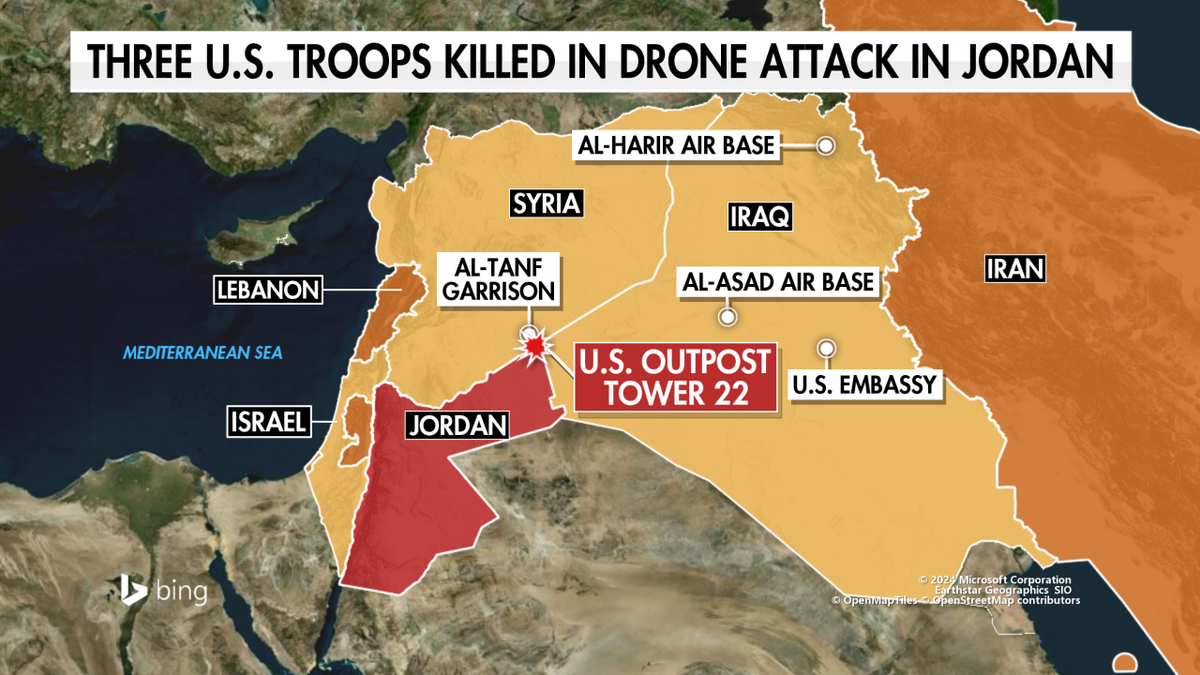
The wider implications of the conflict extend far beyond the immediate military theatre. Iran’s response to attacks by the United States and Israel has manifested in strikes against Israel and neighbouring Gulf Arab states. This ongoing war has severely disrupted global air travel, hampered oil exports, and triggered a sharp increase in fuel prices. Iran’s control over the Strait of Hormuz, a vital global shipping lane, has significantly exacerbated these economic fallout.
The Strait of Hormuz is a critical chokepoint for global oil exports.
The economic repercussions are being felt worldwide, placing increasing pressure on President Donald Trump to address Iran’s influence over the strait. The recent attacks on the Saudi air base occurred shortly after President Trump asserted that talks aimed at ending the war were progressing “very well.” He had set an ultimatum for Tehran, demanding that they reopen the strait by April 6. However, Iran maintains that no negotiations have taken place. This diplomatic stalemate, coupled with the ongoing military actions, paints a complex and concerning picture of the current geopolitical landscape.