
Lagos State Unveils New Waterfront Development Framework to Boost Coastal Revenue
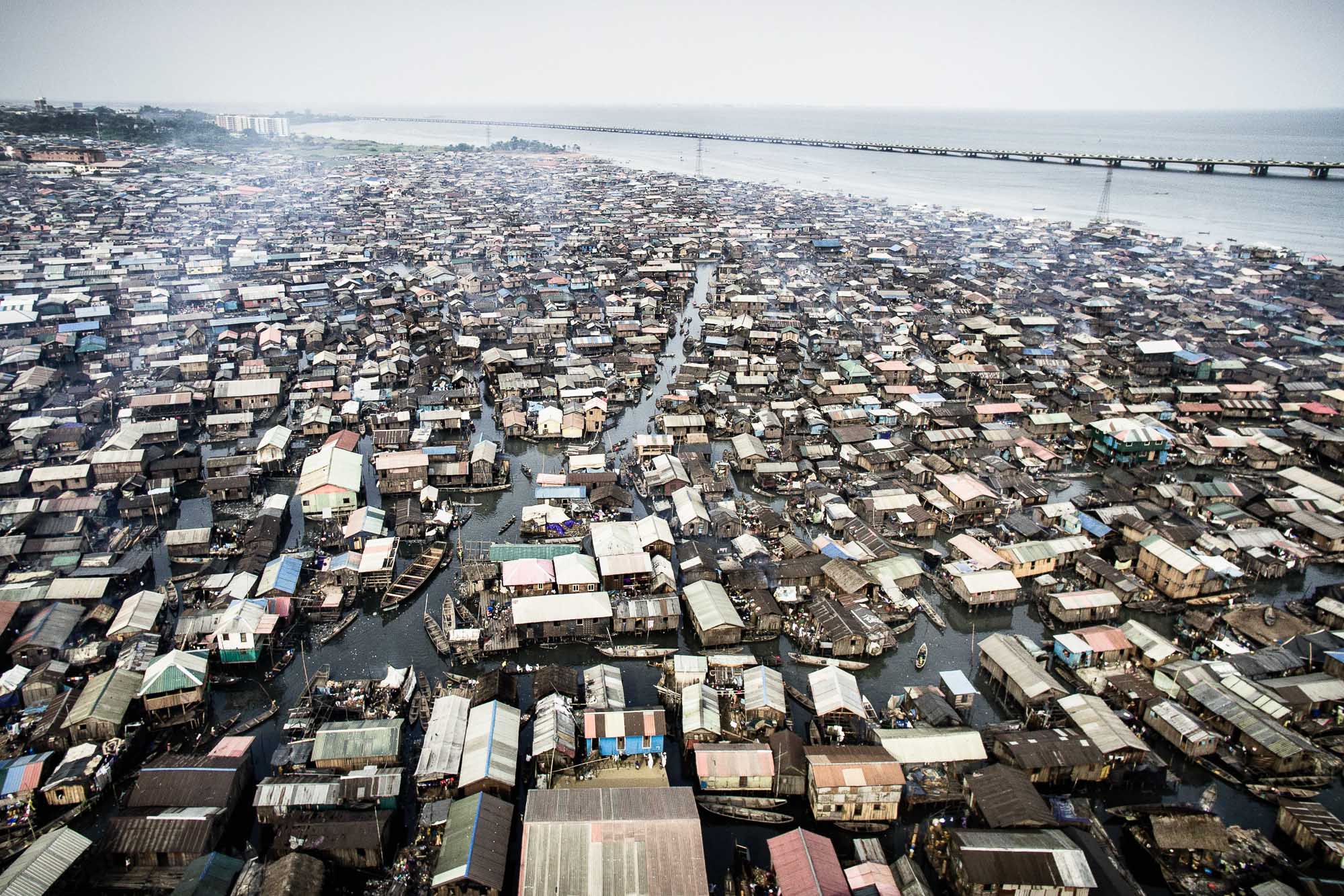
The Lagos State Government is embarking on a significant strategic shift in its approach to waterfront development, introducing a new framework designed to maximize revenue generation from the state’s extensive coastal and island assets. This initiative represents a departure from previous models, aiming for a more sustained and equitable sharing of the long-term value derived from these prime locations.
Dayo Alebiosu, the Commissioner for Waterfront Infrastructure Development, announced the rollout of this comprehensive policy. Speaking during a review of the ministry’s activities in 2025 and a preview of projections for 2026, Alebiosu detailed how the new framework moves away from one-off payments for reclaimed land towards a profit-sharing arrangement. This change is intended to ensure that Lagos State benefits continuously from the escalating value of its coastal properties.
A Shift from Lump Sums to Shared Prosperity
The previous system, as explained by Alebiosu, often involved developers making substantial upfront payments for large tracts of reclaimed land. While seemingly lucrative at the time, these lump sums frequently failed to capture the true, future economic potential of the assets.
“In the past, a company could reclaim 100 hectares, pay the government maybe N5bn, and everyone would think the government had made money,” Alebiosu stated. “But years later, you discover that just two plots from that land could sell for N9bn.”
This disparity highlights the critical need for a more dynamic and sustainable revenue-generating strategy. Alebiosu provided a concrete example: land initially valued at approximately N1 billion per 1,000 square meters saw its value skyrocket to N4.5 billion within a mere two-year period. Such rapid appreciation underscored the limitations of the old payment model.
The new policy aims to alleviate the burden of excessively high upfront costs for developers. Instead, the government will collect administrative fees and enter into a profit-sharing ratio. This symbiotic relationship means that as developers achieve greater earnings, Lagos State will also see increased revenue. This, in turn, will fuel further infrastructure development across the state.
“Rather than overburden developers with high upfront costs, we now collect administrative fees and go into a sharing ratio. The more they earn, the more Lagos earns, and the more infrastructure we can deliver across the state,” Alebiosu explained.
Key Ministry Achievements and Future Outlook
The Commissioner also highlighted several key activities undertaken by the Ministry of Waterfront Infrastructure Development in 2025. A significant driver of these activities was the Waterfront Infrastructure Development Summit. This pivotal event successfully convened a diverse range of public and private stakeholders, fostering collaboration to address sector-wide challenges, including the persistent issue of illegal dredging.
In addition to policy advancements, the ministry has been actively involved in practical infrastructure enhancements. Notably, it introduced floating pontoons for jetties. These innovative pontoons have been deployed for the first time at Agboyi-Ketu and have also been implemented at six other locations.
“We introduced floating pontoons because of their long-life guarantee. We want to see how they interact with our waters before expanding them further,” Alebiosu commented. He confirmed that plans for further expansion of this technology are being integrated with the state’s 2026 budget.
Looking ahead, several development projects are demonstrating strong prospects for completion. The Commissioner specifically mentioned Orange Island and Graceville as examples of projects poised for successful realization.
Furthermore, Alebiosu drew attention to the significant economic potential of the Odogun and Oworonshoki waterfront projects, both located within the Kosofe Local Government Area. The Odogun Waterfront, in particular, is anticipated to deliver approximately 4,000 housing units.
“Once construction starts, the entire area will become vibrant. Construction sites will generate massive economic activity — artisans, suppliers, transporters and food vendors — and this is 4,000 housing units in one location,” he emphasized, illustrating the ripple effect of such large-scale developments on local economies.
The new framework and ongoing projects signal Lagos State’s commitment to leveraging its unique geographical advantages for sustained economic growth and improved public infrastructure.