
Nepal’s Water Security Threatened by Declining Springs and Groundwater
Nepal is facing a growing crisis in water security as its springs and groundwater reserves steadily decline, according to a recent assessment. Over-pumping, infrastructure gaps, climate impacts, and fragmented governance are contributing to a complex web of challenges that threaten access to clean water and sanitation for millions.
Depletion of Water Resources
The assessment highlights a concerning trend of aquifer depletion and spring decline across Nepal.
- Kathmandu Valley: Over-pumping has severely depleted aquifers in the Kathmandu Valley, leading to the drying up of traditional springs.
- Hills and Mountains: Numerous springs in the hills and mountains have diminished or vanished entirely, impacting communities that rely on them for water.
- Tarai Region: Shallow aquifers in the Tarai are overstressed, causing seasonal shortages. Furthermore, naturally occurring arsenic in alluvial sediments has contaminated groundwater in several areas, posing significant public health risks.
The Paradox of Abundance and Scarcity
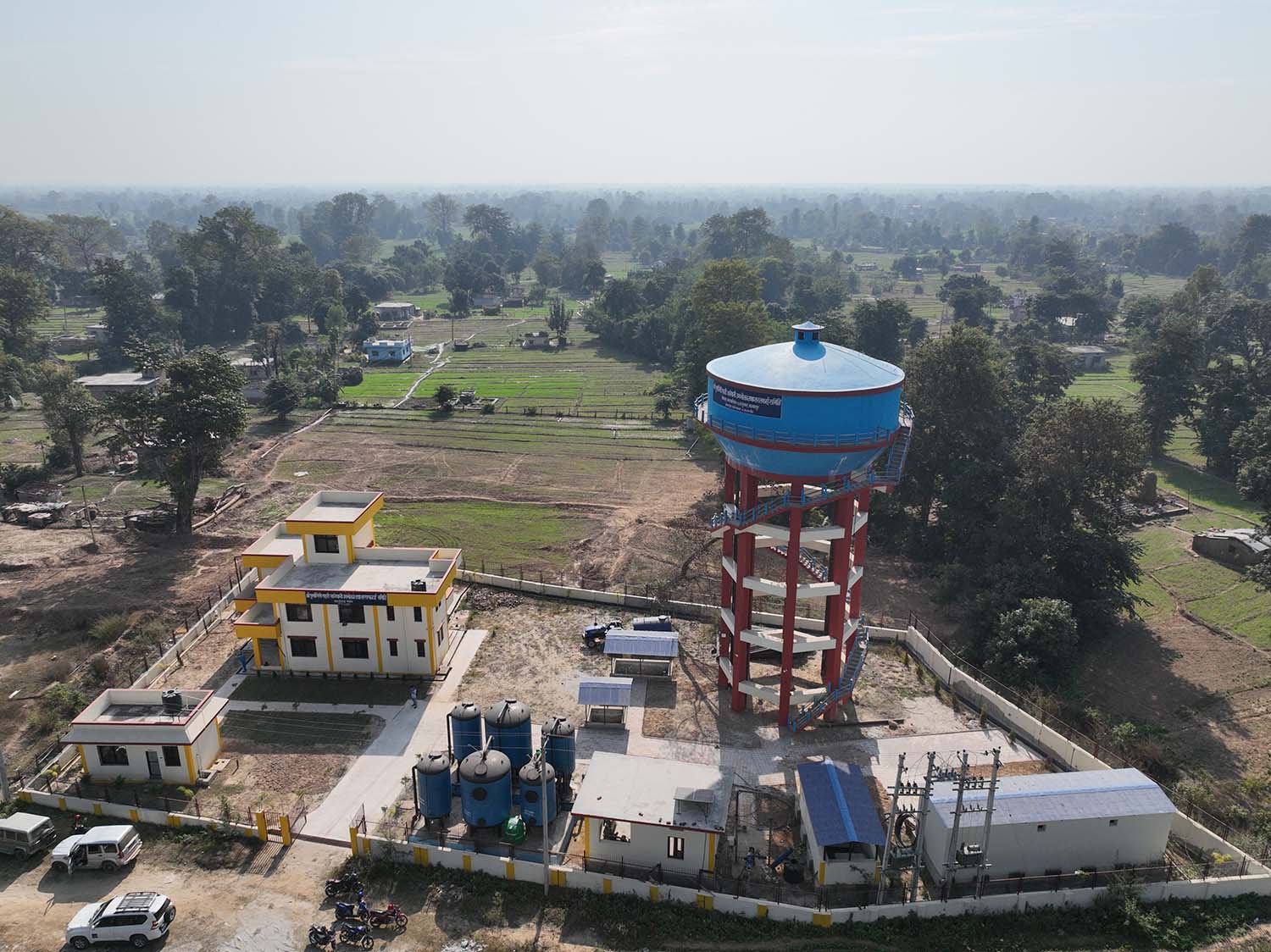
Despite Nepal’s abundant water resources, only about 25 percent of the population has access to fully functional drinking water systems. The country faces a paradox of plentiful natural water, yet persistent shortages, contamination, and destructive floods.
Factors Contributing to Water Insecurity
Several factors contribute to Nepal’s water insecurity:
- Infrastructure Gaps: Inadequate infrastructure hinders the reliable and equitable distribution of water.
- Fragmented Governance: Overlapping mandates among different levels of government create confusion and duplication, weakening water governance.
- Climate Impacts: Climate change is exacerbating floods, droughts, and landslides, further stressing water resources.
Impact on Communities
Communities that rely on springs and groundwater are facing increasing hardship. Some households are forced to migrate because local water sources have dried up. These losses threaten livelihoods, cultural heritage, and social stability.
Rural Water Security
Rural household water security has improved, with over 91 percent of rural households now using piped or protected water sources. However, nearly half still face contamination risks. Infrastructure often fails, sanitation remains poor, and waste frequently pollutes groundwater and rivers. Most systems rely on flat fees rather than volumetric tariffs, and maintenance funds are scarce.
Urban Water Stress
Urban areas are under growing strain, with populations rising rapidly. In cities like Kathmandu, water is supplied intermittently, typically for just a few hours every other day. Flood-related shutdowns of the Melamchi system can drastically reduce supply, forcing households to rely on expensive alternatives. Drainage systems are inadequate, leading to frequent flooding. Wastewater treatment is almost nonexistent, posing serious health hazards.
Environmental Water Security
Environmental water security remains fragile. Hydropower development, river diversions, and weak governance have reduced environmental flows and degraded catchments. Urban pollution, land-use change, and riverbed mining are damaging aquatic ecosystems. Localized degradation is severe in some areas, highlighting the vulnerability of aquatic ecosystems.
Disaster Security
Nepal’s water-related disaster security has made modest gains thanks to expanded early-warning systems and the National Disaster Management Policy. However, zoning enforcement is weak, and coordination between water and disaster-management institutions is inadequate.
Integrated Water Resource Management (IWRM)
Nepal’s progress on IWRM remains slow. The country’s federal structure, with overlapping water mandates, has created confusion, duplication, and gaps. Water governance remains siloed and coordination weak, with limited stakeholder participation.
Financing Constraints
Financing is a major constraint. Nepal lacks a dedicated funding mechanism for IWRM. Most water-related infrastructure is publicly financed. Irrigation and drinking water withdrawals are not subject to user fees, and irrigation service fee collection remains weak. Pollution charges are absent.
Environmental Degradation and Climate Change
Environmental degradation continues to worsen, driven by pollution, deforestation, encroachment, and poor enforcement of mandated environmental flows. Climate change is amplifying floods, droughts, and landslides, further weakening already stressed ecosystems.
Recommendations for Action
The assessment calls for urgent action to address Nepal’s water security challenges, including:
- Integrated watershed management
- Reforestation
- Protection of recharge zones
- Stronger integrated planning under the IWRM framework
- Land-use zoning
- Flood-risk mapping
- Pollution control
- Nature-based solutions to restore ecosystems and strengthen water storage
- Improved water governance
- Innovative financing mechanisms
Regional Context
Across Asia and the Pacific, significant progress has been made in lifting people out of extreme water insecurity. However, these gains are increasingly at risk due to environmental decline and severe financing gaps. Wetlands, rivers, aquifers, and forests are deteriorating rapidly, while climate-intensified weather events threaten long-term resilience. Addressing these challenges requires urgent action to restore ecosystem health, strengthen resilience, improve water governance, and deploy innovative finance.