

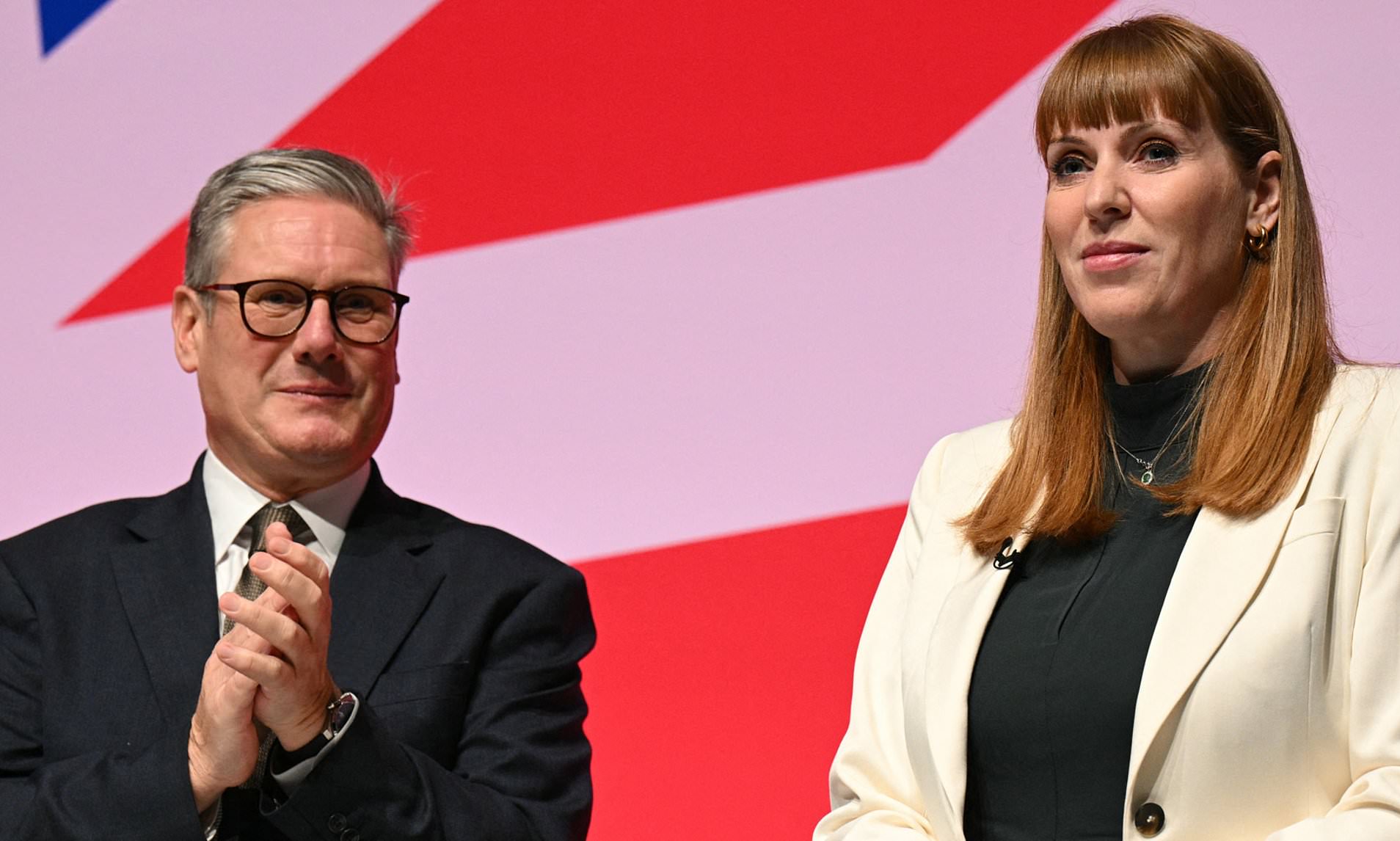
Angela Rayner has cautioned Labour leader Sir Keir Starmer against further compromising on her key workers’ rights legislation. In a robust statement in the House of Commons, Rayner, a former deputy prime minister, emphasized the importance of standing firm on the bill, which aims to strengthen the right to strike. Employers, however, have expressed concerns that the legislation could impose significant costs on the economy.
The Labour Party faced criticism last month when it withdrew a commitment from its manifesto to grant workers the right to claim unfair dismissal from their first day of employment. Government sources attributed this decision to the need to secure passage of the bill through the House of Lords, where it has encountered delays.
Rayner addressed the Lords directly, urging them to act swiftly and accusing them of siding with special interests to obstruct the implementation of the manifesto on which Labour was elected. During the debate on the Employment Rights Bill, Rayner, who is being considered as a potential successor to Starmer, acknowledged the reversal on day-one rights as a “tough decision” and implored ministers to resist making any further concessions.
“Now is not the time to blink or buckle,” she stated. “Let’s not wait a minute more – it’s time to deliver.”
Andy McDonald, a former Labour frontbencher, criticized the Lords for impeding the manifesto commitment and argued that ministers should not have yielded.
Rayner’s appearance in the Commons coincided with an analysis suggesting that her bill could potentially cost the economy as much as £38 billion. Research conducted by the Growth Commission think-tank indicated that removing the cap on payouts for unfair dismissal claims could double the anticipated cost of the legislation for businesses.
Despite concerns about the economic impact, Members of Parliament were expected to reject a series of attempts by peers to weaken the Employment Rights Bill.
The government’s decision last month to drop the pledge to grant workers the right to claim unfair dismissal from their first day of employment was unexpected. As a compromise, workers will now be able to file a claim after six months of employment, a reduction from the current two-year period. However, ministers have agreed to eliminate the £118,223 cap on payouts, potentially leading to substantial claims. This change followed discussions between ministers and Rayner, who has been a strong advocate for the bill.
The employment law firm Lewis Silkin described the removal of the cap as a “seismic” change that “does not sound like a recipe for growth.” The British Chambers of Commerce warned that the plan would be “hugely damaging.”
Even after the government softened the day-one rights provision, the Growth Commission estimated that the bill would cost the economy £23 billion over five years. The think-tank now warns that removing the cap on unfair dismissal claims could add another £15 billion to that cost.
Shanker Singham, Chairman of the Growth Commission, commented, “This single piece of legislation continues to severely curtail the Government’s growth ambitions. Ministers would do well to remember that what chills the ability to fire, chills the ability to hire as the UK labour force participation rate continues to drop.”
Andrew Griffith, the Conservative business spokesman, urged ministers to reconsider, warning that they seemed determined to “snuff out jobs and slow the economy with their red tape.” He argued that the latest proposals would be “ruinously expensive for small businesses, and in the public sector it will leave the taxpayer on the hook for huge payouts for failure at the expense of our public services.”
Furthermore, it has been revealed that employers will be required to distribute what Griffith termed “pro-union propaganda” to staff as part of the latest changes to the legislation. The government will create an approved statement to prevent employers from discouraging union membership. Unions are hopeful that this measure, along with other provisions in the bill, will help to reverse the long-term decline in union membership.
Here’s a summary of the key elements of the Employment Rights Bill:
- Right to Strike: The bill aims to strengthen workers’ rights to strike, a move supported by unions but opposed by employers who fear economic consequences.
- Unfair Dismissal Claims: The original manifesto commitment to allow unfair dismissal claims from day one was dropped. Now, claims can be made after six months of employment.
- Removal of Cap on Payouts: The £118,223 cap on payouts for unfair dismissal claims has been removed, potentially leading to larger payouts.
- Pro-Union Propaganda: Employers will be required to distribute an approved statement promoting union membership to their employees.
- Economic Impact: Estimates suggest the bill could cost the economy billions of pounds, with concerns raised about its impact on small businesses and job creation.
The potential consequences of the Employment Rights Bill are significant and multifaceted:
- Increased Costs for Businesses: The removal of the cap on unfair dismissal payouts could significantly increase costs for businesses, particularly small businesses.
- Reduced Hiring: Concerns have been raised that the bill could discourage hiring, as employers may be hesitant to take on new employees if they face the risk of large payouts for unfair dismissal claims.
- Impact on Economic Growth: The Growth Commission estimates that the bill could cost the economy billions of pounds, potentially hindering economic growth.
- Strengthened Unions: The bill includes measures aimed at strengthening unions, which could lead to increased union membership and influence.
- Political Divisions: The bill has created significant political divisions, with Labour supporting it and Conservatives raising concerns about its economic impact.