

Foreign Real Estate Purchases in South Korea Face Increased Scrutiny
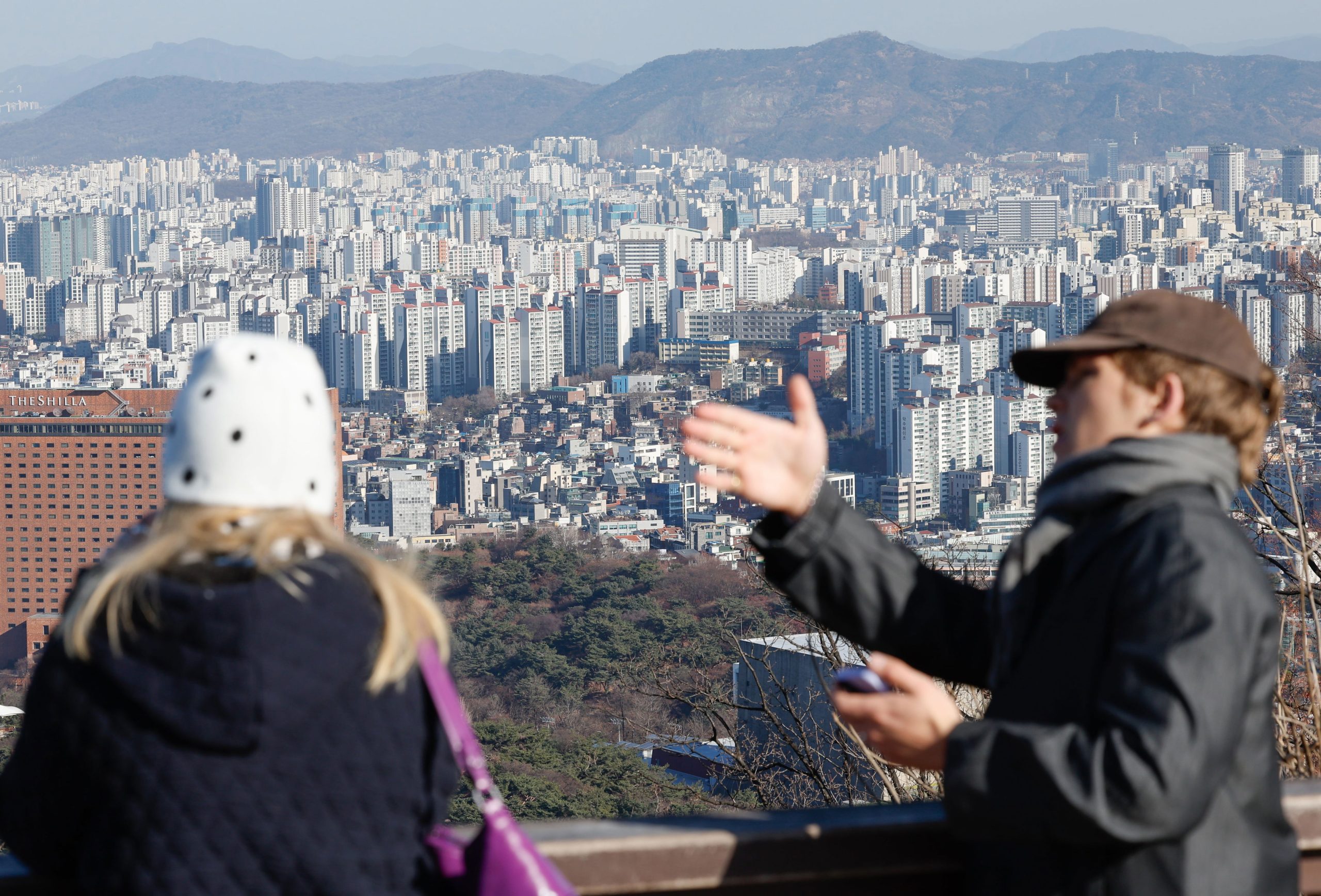
New regulations are set to take effect in South Korea, increasing scrutiny of real estate purchases made by foreign nationals. The move comes amid concerns that foreign buyers are contributing to rising housing prices through speculative investments using funds of uncertain origin, which are not currently subject to domestic oversight.
The Ministry of Land, Infrastructure and Transport has announced that the revised Enforcement Decree of the Real Estate Transaction Reporting Act will be implemented starting February 10th. This revision mandates that foreign individuals acquiring housing within designated land transaction permit zones must submit a comprehensive funding plan, accompanied by supporting documentation, when reporting the transaction.
Heightened Restrictions in Key Areas
In a proactive measure implemented last August, the Ministry designated a significant portion of the capital region, including the entirety of Seoul, as a land transaction permit zone for foreign buyers. This designation aimed to curb speculative housing purchases by foreign nationals.
- Seoul: The entire city is included in the land transaction permit zone.
- Gyeonggi Province: 23 cities and counties are designated, specifically excluding Yangju, Icheon, Uijeongbu, Dongducheon, Yangpyeong, Yeoju, Gapyeong, and Yeoncheon.
- Incheon: Seven autonomous districts fall under the designation, excluding Dong, Ganghwa, and Ongjin.
These designations mean that foreigners trading residential housing, including apartments, in these areas since August 26th are now required to reside in the property for a minimum of two years. This requirement is designed to discourage short-term speculation and ensure that foreign buyers are genuinely investing in the community.
Deeper Dive into Funding Sources
The amendment to the Enforcement Decree serves as a follow-up to these initial restrictions, designed to rigorously verify the legitimacy of foreign housing transactions within South Korea. When purchasing property, foreign buyers are now obligated to declare their residency status and provide detailed information on their address, including confirmation of whether they have resided in the country for at least 183 days.
Furthermore, the funding plan submitted by foreign buyers must include comprehensive details regarding the source of their funds. This includes:
- Overseas Funding Sources: Detailed information on overseas loans, deposit amounts, and the names of the financial institutions involved.
- Domestic Funding Sources: Specification of any domestic funding sources, including details on whether the security deposit is inherited or if the loan is for business purposes.
This increased transparency is intended to prevent the influx of illicit funds into the South Korean real estate market and ensure fair competition for domestic buyers.
Impact on Foreign Housing Transactions
Early indications suggest that the measures taken to restrict foreign speculation in the housing market are having a tangible effect. In the three months following the August designation of land transaction permit zones (September to November), foreign housing transactions in the capital region experienced a substantial decrease of 40%, falling to 1,080 cases compared to the same period the previous year.
Analyzing the regional impact:
- Seoul: The capital city witnessed the most significant decline, with transactions dropping by 49% from 353 cases last year to 179 cases.
- Gangnam Three Districts (Seocho, Gangnam, and Songpa) and Yongsan District: These districts, which were already subject to land transaction permit zones for apartments prior to August, saw a 48% decrease in foreign housing transactions compared to the same period last year.
Nationality Breakdown
A breakdown of transactions by nationality reveals that Chinese buyers accounted for the majority (72%), followed by Americans (14%) and Canadians (3%). Notably, transactions by Chinese buyers decreased by 39% compared to the same period last year, while transactions by American buyers fell by 41%.
The South Korean government’s actions reflect a growing global concern about the impact of foreign investment on domestic housing affordability. By implementing these measures, the government aims to create a more level playing field for domestic buyers and ensure that the housing market remains accessible to all citizens. The long-term effects of these regulations will be closely monitored to determine their effectiveness in curbing speculation and stabilizing housing prices.