
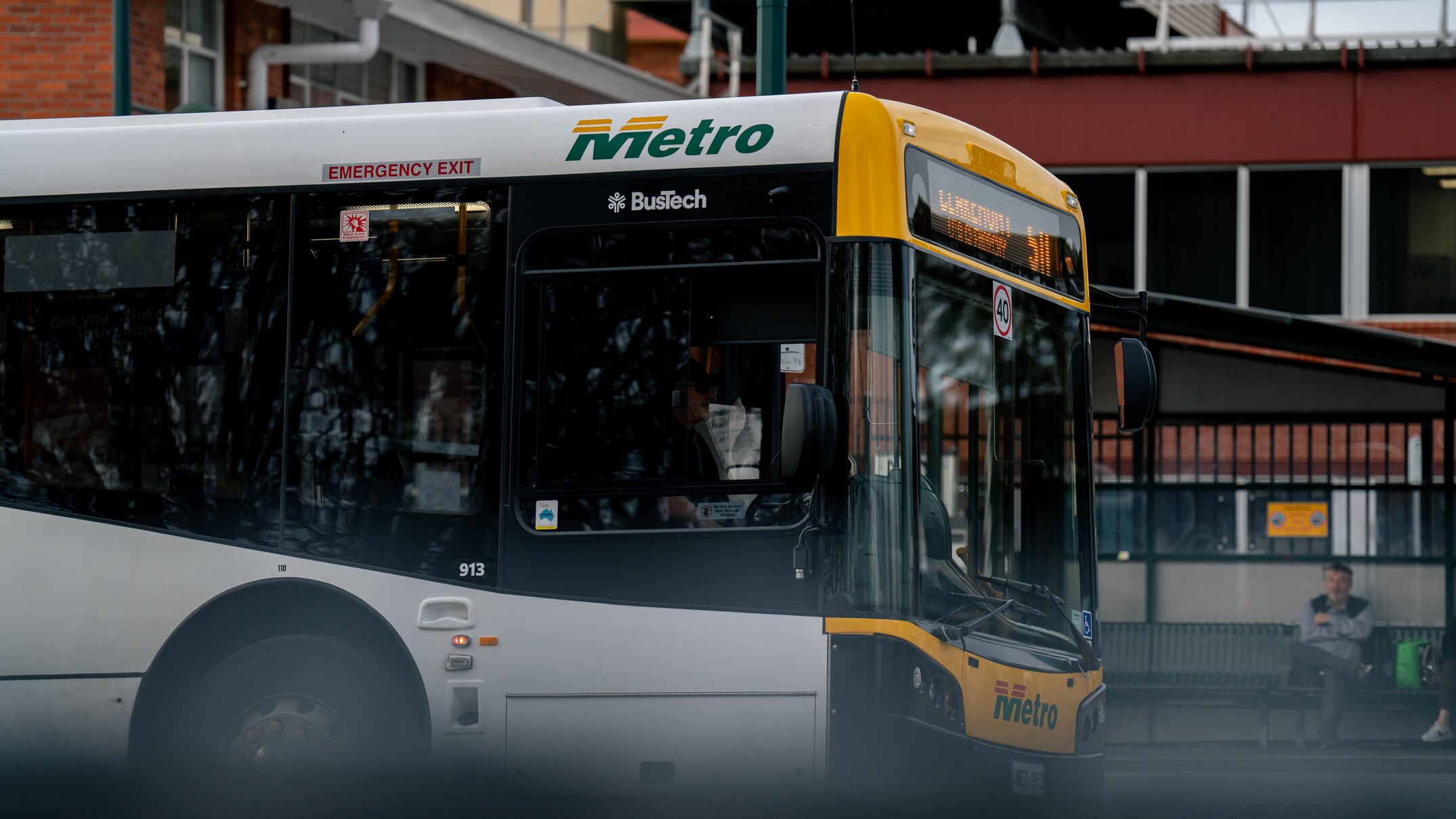
In a significant move to alleviate cost-of-living pressures, the Tasmanian government has announced that public transport across the entire state will become free for all users. This initiative, aimed at cushioning the blow of soaring fuel prices, will be in effect from Monday and will continue until July 1, 2026.
Premier Jeremy Rockliff revealed the decision in a statement, highlighting the direct impact of rising fuel costs on family budgets. “We know the rising cost of fuel is impacting the family budget, and that’s why we have again taken strong and decisive action to protect Tasmanians,” Mr Rockliff stated. He also noted a growing trend in public transport usage, with a notable 20 per cent increase in patronage across Tasmania in the past week alone, suggesting the public is already seeking more affordable travel alternatives.
Real Savings for Tasmanians
Minister for Transport, Kerry Vincent, echoed the Premier’s sentiments, emphasizing the tangible financial relief this policy will bring to households. “Families are feeling the pinch, and free public transport will deliver real savings,” Mr Vincent commented. He provided specific examples to illustrate the potential financial benefits for individuals and families:
- Students: A student commuting to school using a full bus fare could save approximately $20 per week.
- Commuters: An adult travelling from Dodges Ferry to Hobart by bus could see weekly savings of around $88.
- Regional Travellers: For those travelling from further afield, the savings are even more substantial. An adult making a round trip from Bicheno to Hobart, who would typically pay the full fare, will be $48 better off each day they choose public transport.
Statewide Coverage and Inclusivity
Crucially, the free public transport policy is not limited to major urban centres. It will extend to all public transport services throughout Tasmania, encompassing both regional and rural routes. This inclusive approach aims to support a wider demographic, particularly those who rely on public transport for essential travel between their regional homes and urban destinations.
A Welcome, Yet Cautious, Response
The announcement has been met with widespread approval. Helen Burnet, the Independent Member for Clarke, described the initiative as a “great outcome” for Tasmanians. “Tasmanians are really feeling the pinch when they go to the petrol bowser and are filling up — it’s costing them a lot of money,” Ms Burnet acknowledged. She added that the government’s response was a positive reaction to repeated calls made in parliament for measures to ease financial burdens.
However, Ms Burnet also raised a point for future consideration. While making public transport free is a significant step, she stressed the importance of ensuring service capacity can meet increased demand. “Making it free is one thing, but making sure that those services are available is another part of the equation,” she stated, suggesting that the government should explore options for increasing bus frequency and potentially introducing new routes as patronage grows.
Victoria’s Similar Initiative
Tasmania is not the only Australian state looking to public transport as a solution to cost-of-living pressures. Victoria has also implemented a similar, albeit shorter-term, measure. Beginning in April, metropolitan and V/Line services across Victoria were made free for a period of one month. This initiative, which followed calls from the Victorian Greens for cost-of-living relief, was estimated by Victorian Minister for Public and Active Transport, Gabrielle Williams, to cost the state approximately $70 million. While the duration differs, the underlying principle of using public transport to offer financial respite to residents facing rising costs is a shared strategy.
The extended free period in Tasmania, spanning over two years, signifies a substantial commitment by the state government to support its residents through a prolonged period of economic uncertainty. The success of this initiative will likely be gauged not only by the immediate financial relief it provides but also by its long-term impact on public transport usage, environmental sustainability, and the overall affordability of daily life in Tasmania.