
The Institute for Peace and Conflict Resolution (IPCR) and the Partnership Against Violent Extremism (PAVE) have jointly advocated for enhanced collaboration among various entities, including government bodies, civil society organizations, security agencies, and community representatives. This unified front aims to bolster the effectiveness of Preventing and Countering Violent Extremism (PCVE) initiatives throughout Kaduna State and the broader North-West region.
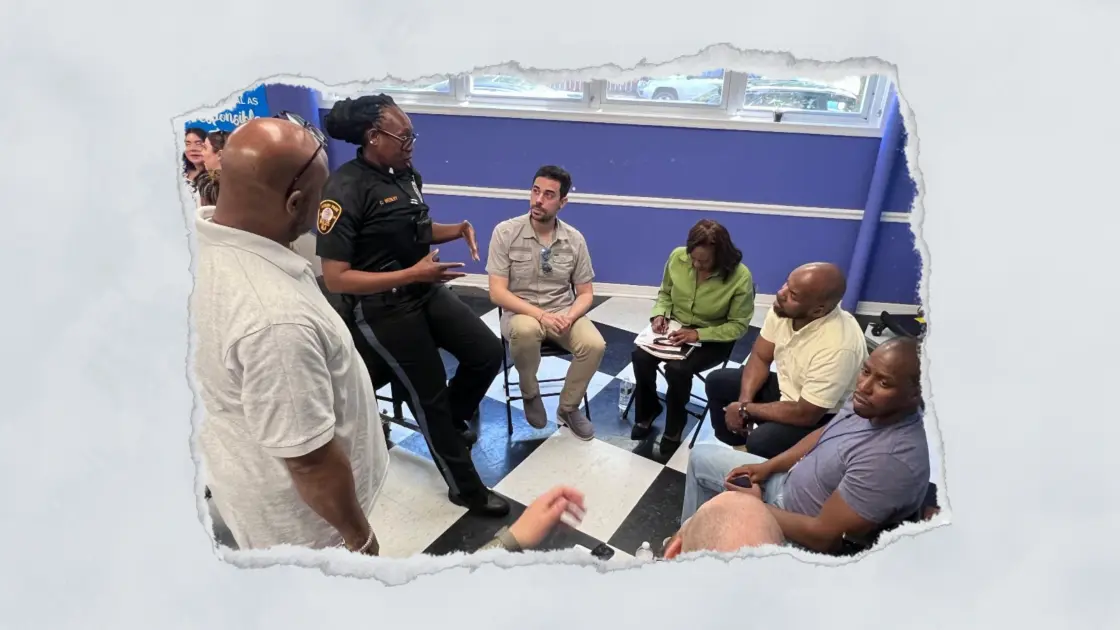
This call to action was a central theme during a two-day capacity-building workshop held in Kaduna from December 3rd to 4th, 2025. The workshop served as a platform, bringing together a diverse group of participants such as government officials, youth organizations, women’s associations, advocates for persons with disabilities, traditional leaders, community-based organizations, and PCVE practitioners.
The workshop, themed “Stakeholders’ Roles in Community Resilience of CB-RRR,” aligns with national strategies focused on community-based reintegration, rehabilitation, and reconciliation efforts.
Strengthening PCVE Implementation
Speaking during the workshop, Steve Agbo, Director of IPCR and Coordinator of the National Conflict Early Warning and Response Situation Room, explained the workshop’s objective. He stated that it was designed to enhance participants’ understanding of Nigeria’s PCVE framework and how it can be effectively implemented at the local government and community levels.
“This two-day capacity-building workshop brings together stakeholders to ensure they understand the structure of PCVE implementation in Nigeria,” he said. “It is also to ensure that various actors — from the national level down to the State and Local Action Plans — are working effectively to implement PCVE in Kaduna State.”
Agbo expressed satisfaction with the high turnout, noting the active participation of representatives from state Ministries, Departments, and Agencies (MDAs), civil society groups, and youth and women’s organizations. However, he noted that the representation from uniformed security agencies was limited.
“The only category that was not strongly represented were the security agencies. But we also know that some of them, such as the DSS and community policing units, do not appear in uniform,” he acknowledged.
He further elaborated that the technical sessions were instrumental in clarifying the roles of stakeholders within the coordination framework, particularly in countering extremist narratives, responding to early warning signs, and strengthening community resilience.
“The takeaway is for them to clearly understand the framework, the coordination structure, and the roles of each stakeholder,” Agbo noted. “Implementation must be effective from the local government level up to the state level, and the collaboration must be seamless,” he emphasized.
Addressing Gaps in Conflict Management
Eric John, the State Chairperson of PAVE, highlighted the necessity of the program, citing persistent deficiencies in conflict-management skills, early-warning systems, and community resilience across local communities.
“We realised during our engagements that many communities still have low capacity in managing conflicts, poor skills in handling diversity, and limited understanding of the triggers that cause small issues to escalate. This workshop is designed to strengthen their ability to cope with such challenges at the community level,” he stressed.
John emphasized the critical roles that young people, women, religious leaders, and persons with disabilities must play in preventing extremist narratives and responding to early signs of insecurity.
“We saw young persons and especially women who are actively working against violent extremism have their capacities strengthened,” he added. “Violent extremism must be addressed from the grassroots with a coordinated early-warning and early-response mechanism.”
He also stressed that PAVE’s approach prioritizes community ownership over sole reliance on government intervention. “Community people must take responsibility and build resilience because security issues start from the local level,” he stated.
The Role of Persons with Disabilities
Priscilla Daniel, representing Youth Against Violent Extremism and the Joint Movement for the Blind, emphasized that the workshop reinforced the responsibility of persons living with disabilities to actively participate in peacebuilding.
“We actually have a community that cuts across the state down to the grassroots. As a member, I will start from the grassroots up, ensuring that persons living with disabilities understand that peace is paramount,” she said.
Daniel cautioned that individuals living with disabilities are particularly vulnerable during crises, making peacebuilding even more crucial for them.
“If we embrace violence, we will be at the receiving end. Some of us don’t have legs, some don’t have hands, and some are visually impaired. You would be the first victim because you may not be strong enough to find a safe place to hide,” she stressed.
She also appealed to youths to abstain from drug abuse, jungle justice, and other activities that could escalate tensions.
Community Leadership and Traditional Institutions
Alhaji Lawal Magaji, a community leader from Gwagwada District in Chikun LGA, noted that the workshop underscored the vital role of traditional institutions in the early detection of and local responses to radicalization.
“Community participation is highly required in implementing all PCVE policies—whether at national, state or local government level,” he noted. “Our role is to ensure we take the PCVE action plan back home and implement it at the community level in order to curb extreme violence.”
Magaji expressed confidence that the knowledge gained would empower local leaders to identify threats at an early stage and support government initiatives effectively. “We will go back to our communities and implement the knowledge learned here appropriately and effectively,” he assured the meeting.
Identifying Non-Traditional Stakeholders
Barrister Sarah Kajiri-Peters, a Senior State Counsel at the Kaduna State Ministry of Justice and member of the PCVE Technical Working Group, highlighted that the program facilitated the mapping of stakeholders across Kaduna’s 23 LGAs. This included the identification of non-traditional actors who were previously overlooked in similar engagements.
She observed, “You can imagine bringing in tea sellers’ associations as part of the stakeholders. So many people that we never thought would be relevant in the process were identified. It shows people know their communities and know who can speak up for a violence-free society.”
Kajiri-Peters described the training as an “eye-opener” that enhanced participants’ ability to prevent violence, adding that all actors were expected to disseminate the knowledge within their respective communities.
The workshop is part of ongoing efforts to strengthen grassroots resilience, improve coordination, and broaden stakeholder participation in efforts to curb radicalization and violent extremism in Kaduna State. Partners at the event included the Institute for Peace and Conflict Resolution (IPCR), Involve Naiv, GSARB, Abolive, and other technical and financial supporters while the programme was also backed by the PCVE Knowledge, Information and Resource Hub.