

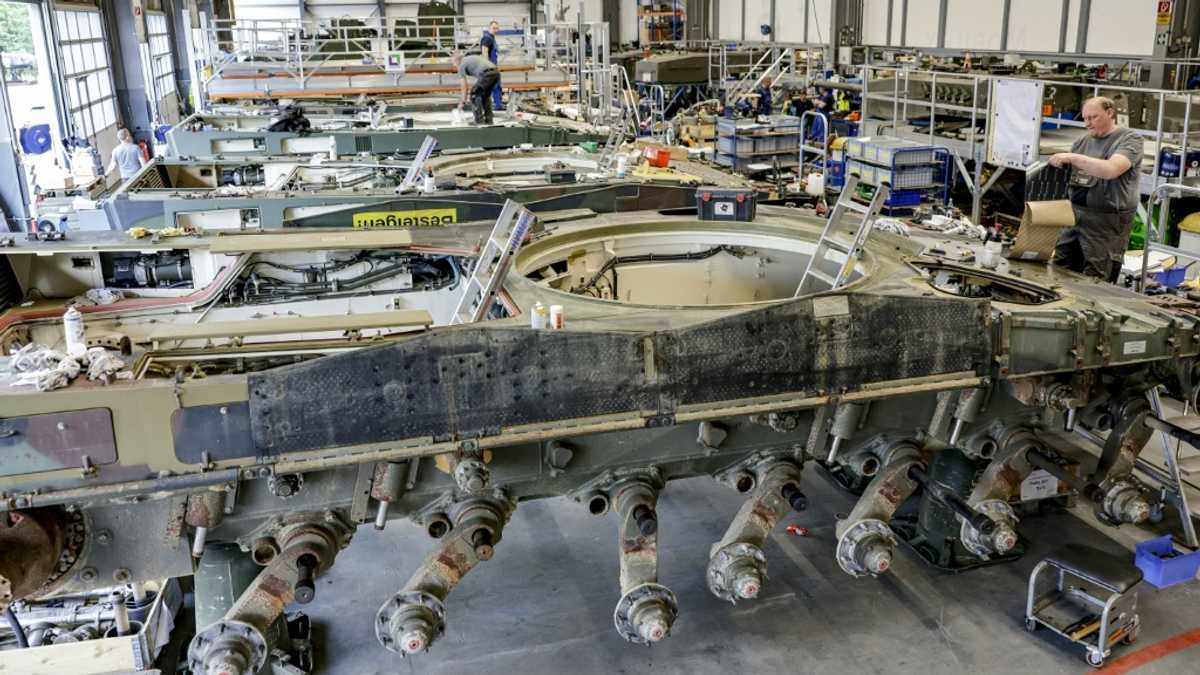
Germany’s Defence Rethink: Old Guard vs. New Tech in a Rearming Nation
Germany stands at a pivotal moment, undertaking a significant rearmament effort in response to escalating geopolitical tensions. As the nation commits hundreds of billions of euros to bolster its military capabilities, a fundamental debate is unfolding about where these vast sums should be invested. The established titans of the defence industry champion traditional, heavy weaponry, while a new wave of tech-focused start-ups are advocating for a decisive pivot towards modern, AI-enabled systems, particularly drones.
This rearmament drive, mirrored across Europe, has been spurred by a confluence of factors. Foremost among these is the ongoing full-scale invasion of Ukraine by Russia, which began in 2022 and has starkly illustrated the fragility of European security. Compounding this is pressure from external allies, notably the United States, urging NATO members to increase their defence spending. Concerns about the steadfastness of American commitment to the continent’s security further underscore the urgency for European nations to strengthen their own capabilities.
The Drone Revolution: A New Era of Warfare
The conflict in Ukraine has dramatically highlighted the evolving nature of modern warfare. A significant portion of the fighting, particularly in the skies, has been dominated by unmanned aerial vehicles (UAVs), commonly known as drones. This has led a growing number of German defence technology start-ups to argue that the future of conflict will hinge on relatively inexpensive, mass-producible equipment powered by artificial intelligence.
These new players contend that current spending patterns have remained too heavily focused on time-tested, but costly, platforms like tanks and armoured vehicles. They argue that these traditional assets are increasingly vulnerable to being neutralized by cheaper, more agile airborne armaments.
“Clearly there’s been an overly strong focus on traditional platforms,” commented Gundbert Scherf, a co-founder of the German defence technology company Helsing. “Spending patterns have to change as the world around us changes.”
Helsing, headquartered in Munich and established in 2021, has already supplied strike drones to the Ukrainian military. Scherf observes a nascent shift in attitudes within the defence establishment. “I am hoping we are going to see the spending pattern change from a 99 percent focus on traditional systems and one percent on autonomous systems, to a more even balance,” he expressed.
Helsing, which benefits from investment by Spotify founder Daniel Ek’s firm and is reportedly valued at approximately 12 billion euros ($14 billion), has recently conducted successful trials with the German military, demonstrating its ability to strike multiple targets effectively.
The Urgency to Keep Pace
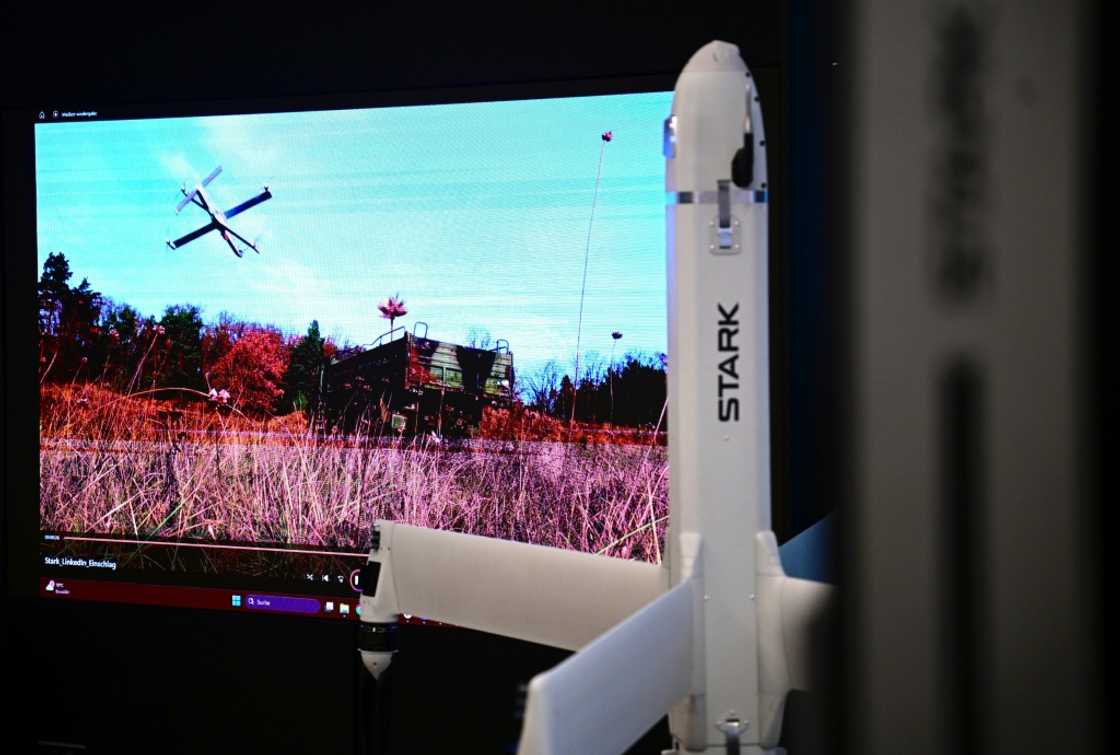
Echoing Helsing’s cautious optimism is Stark, another German tech defence start-up that emerged just 18 months ago. Stark has also seen its drones tested by the German military. Josef Kranawetvogl, a senior executive at Stark, which counts Silicon Valley tech billionaire Peter Thiel among its investors, stated, “Procurement in Germany is changing, and that is really positive.”
However, Kranawetvogl voiced concerns that the pace of this transition is not sufficiently rapid. “We are really good in Europe at writing strategic papers — but we have to execute more. We have to keep pace, we have to be fast,” he urged.
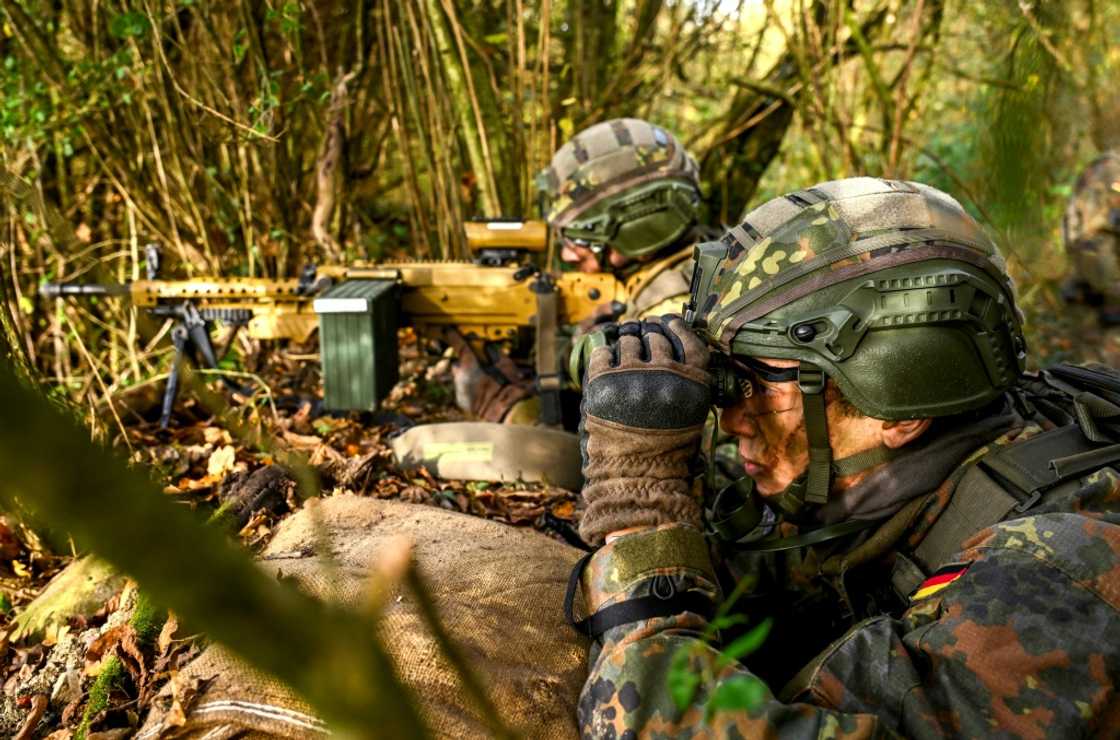
The Traditionalists’ Perspective: Enduring Relevance of Heavy Armour
On the opposing side of this debate stands Rheinmetall, Germany’s largest weapons manufacturer. The company, a crucial supplier of military vehicles and ammunition, has experienced a significant surge in sales driven by the conflict in Ukraine.
Rheinmetall CEO Armin Papperger acknowledges the growing importance of drones and confirms that the company is increasing its investment in this area. However, he maintains that drones are merely one component among many vital systems for future defence.
“Without armoured vehicles, it would not be possible to defend a country or repel an aggressor if they invade,” Papperger stated during a recent media briefing. Rheinmetall is valued at approximately 70 billion euros. He further posited that a conflict involving NATO would likely differ significantly from the current situation in Ukraine, suggesting that “drones would play a less significant role than they do now.”
Government Planning and Lingering Doubts
The German government, under Defence Minister Boris Pistorius, has indicated a commitment to investing in drone technology, announcing plans to allocate 10 billion euros to this sector in the coming years.
Despite these pronouncements, there are indications that a substantial portion of planned defence expenditures will continue to flow towards established defence contractors and traditional military hardware. A recent report suggested that the German government has outlined 377 billion euros worth of desired arms purchases, with a significant portion earmarked for legacy defence giants.
A defence ministry spokesman, speaking on condition of anonymity, declined to comment on the specifics of the report. However, they emphasized that drones have long been integrated into military operations. The spokesman added that “battle tanks, armoured personnel carriers and combat aircraft will continue to be needed in the future,” stressing their role in conjunction with unmanned systems.
Germany’s current rearmament marks a profound shift for a nation with a deeply ingrained pacifist tradition, a legacy shaped by the profound historical trauma of World War II.
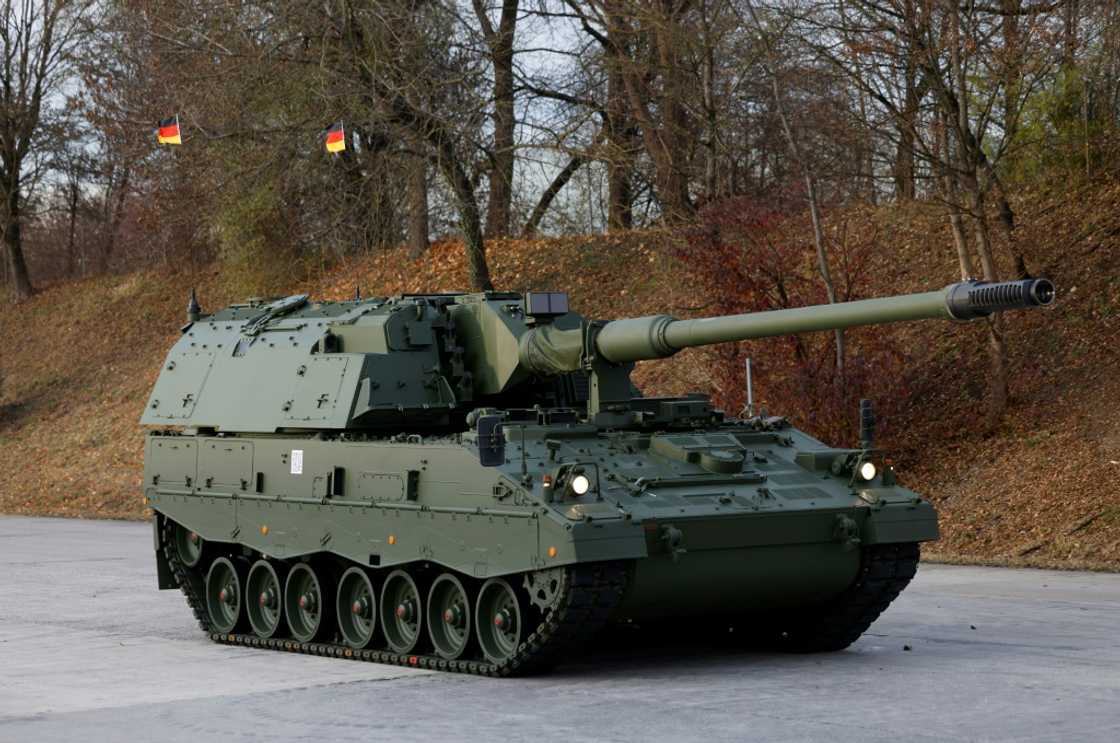
However, similar to the concerns voiced by the start-up community, some observers worry that the pace of this military build-up is too slow and carries a significant risk of misallocation. Prominent British historian Niall Ferguson and Moritz Schularick, President of the Kiel Institute for the World Economy, penned a critical assessment, arguing that the military’s “planning is lagging behind the inexorable rise of unmanned and autonomous systems.” They cautioned that decision-makers are excessively focused on “the weapons of the last war — not the next.”