
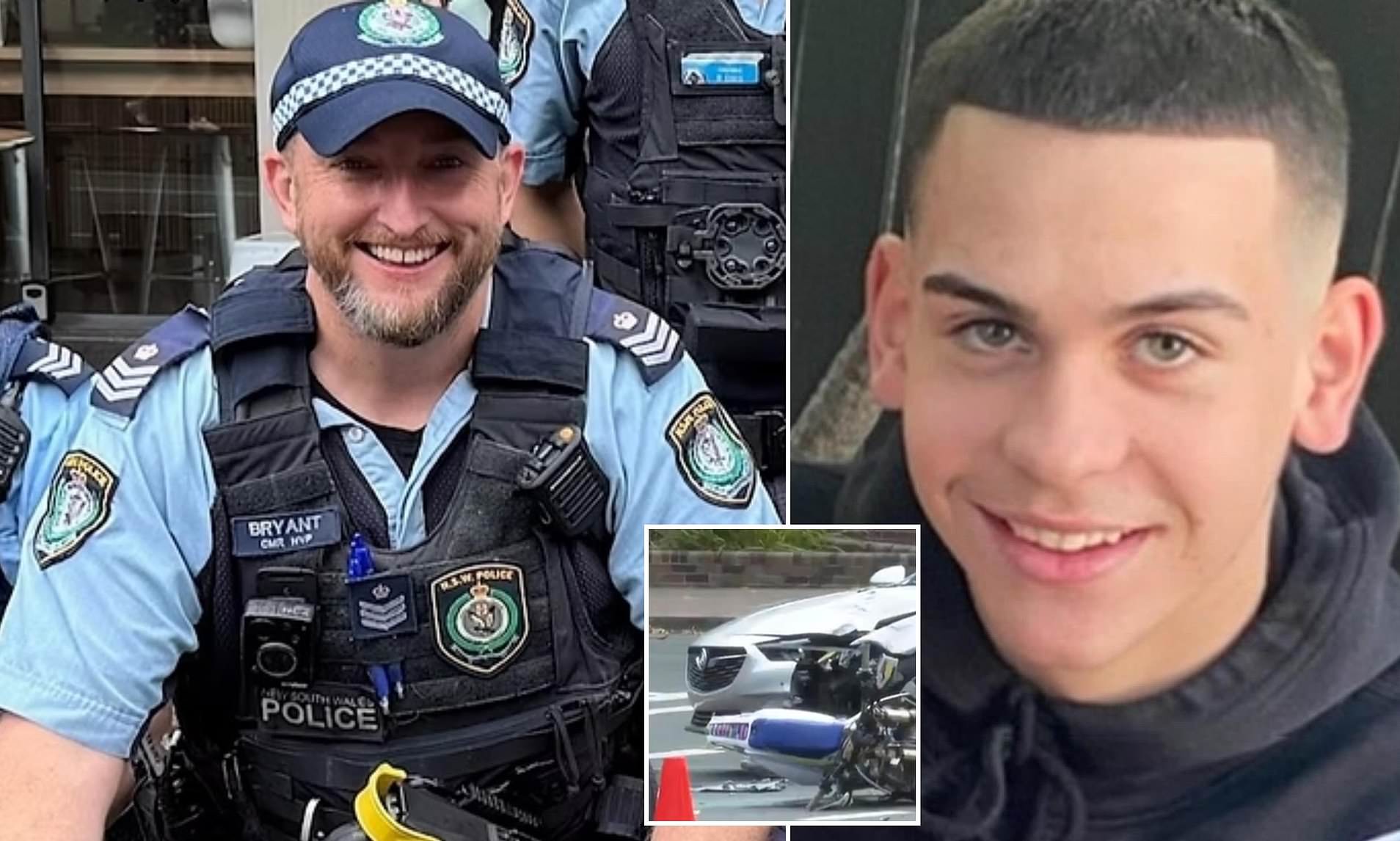
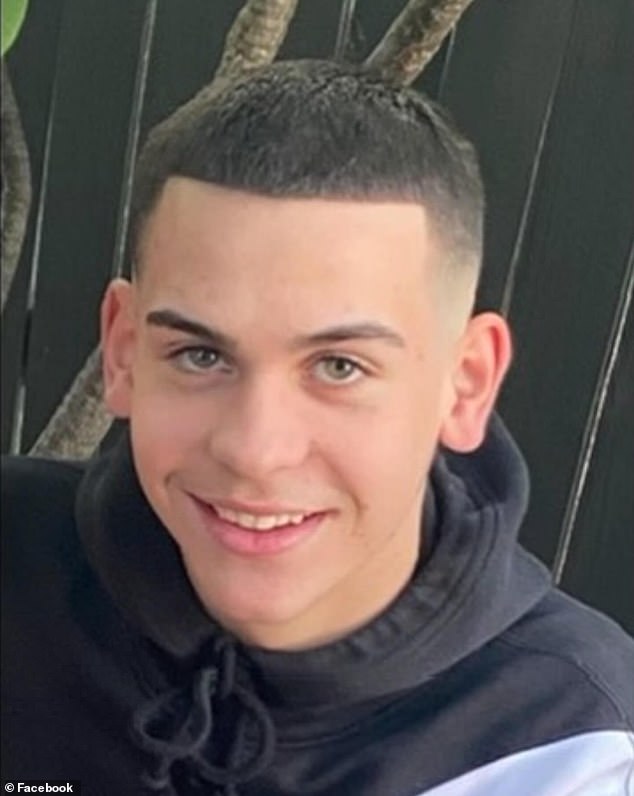
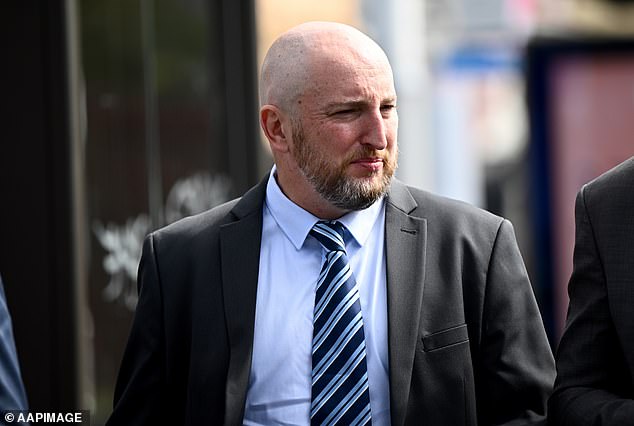
The conviction of Sergeant Benedict Bryant, a 47-year-old police officer, for dangerous driving causing death has ignited a heated debate, with allegations of racial bias and strong support emerging for the officer. The case stems from a 2022 incident in Alexandria, a suburb of Sydney, where teenager Jai Kalani Wright died after colliding with Bryant’s unmarked police car.
The Incident and the Verdict
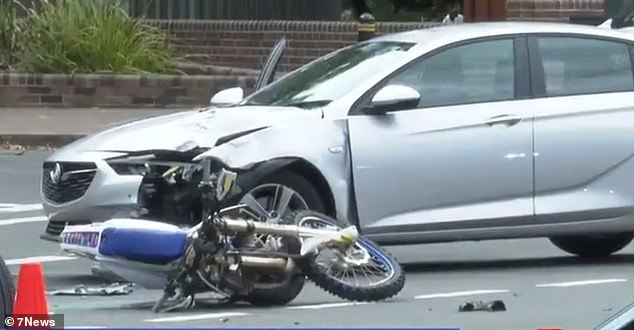
In February 2022, Jai Kalani Wright was riding a stolen trail bike when Sergeant Bryant positioned his vehicle at the end of a bike path. Judge Jane Culver of the NSW District Court determined that Bryant was aware the teenager was approaching at speed and should have recognized the potential danger of parking his car on the path without activating lights or sirens. Wright collided with the vehicle, sustaining critical head injuries that led to his death in hospital the following day.
The judge-alone trial concluded with a guilty verdict last month, sparking emotional reactions in the courtroom. Observers were divided, with some supporting the officer and others siding with the deceased teenager.
Appeal and Public Support
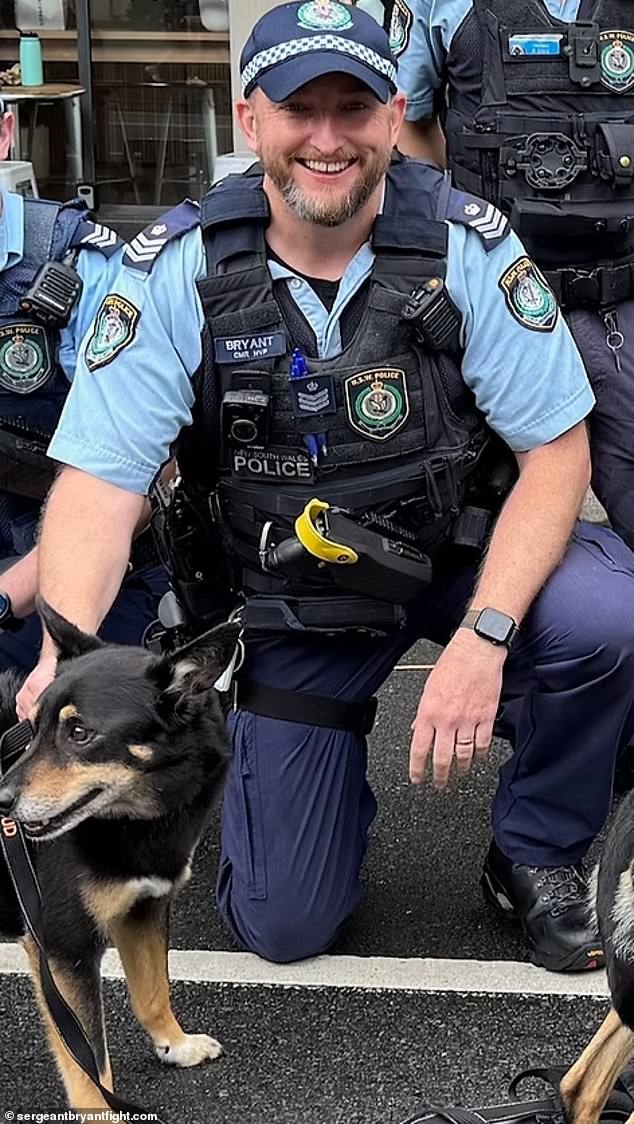
Defence lawyer Paul McGirr immediately announced his intention to appeal the verdict on behalf of Sergeant Bryant. In the wake of the conviction, former colleagues and members of the public have rallied around Bryant, who remains on bail pending sentencing in April 2026. A crowdfunding campaign has been launched to assist with his legal expenses.
Allegations of Racial Bias
Former NSW Police Chief Inspector Paul Fownes, who is organizing the fundraiser, has voiced strong concerns about the case, suggesting that “racially motivated reasons to appease minority sections of the community” influenced the decision. He stated that the matter had undergone thorough internal and external review processes, and in his opinion, there was no justifiable basis for the charges. Fownes has expressed gratitude for the overwhelming public response to the fundraising campaign. He estimates that the funds raised will help Bryant cover existing legal costs and prepare for a potentially lengthy and expensive retrial.
Crowdfunding Success and Bryant’s Background
The crowdfunding campaign has garnered significant support, raising over $160,000 in a single week. The campaign page highlights Bryant’s dedication to the community, his support for young police officers, and his personal responsibilities. It emphasizes that Bryant is a husband, father of two, and the primary caregiver for his mother-in-law, who suffers from advanced dementia.
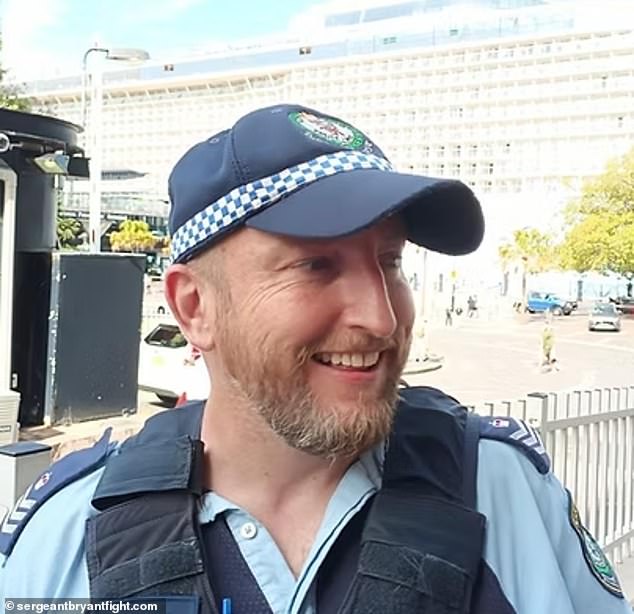
The fundraising page states, “He has cared for the vulnerable of that community, supported and nurtured young police in good times and bad, seen things that would destroy most others. Like many of us, Sergeant Bryant has a wife, two children and a mortgage. He is also a primary carer for his mother-in-law who is suffering from advanced dementia.” Any remaining funds after Bryant’s legal defense will be donated to Police Legacy.
Initial Clearance and Subsequent Charges
Initially, Bryant was cleared of any wrongdoing following a review conducted by NSW Police and the Director of Public Prosecutions. However, a coronial inquest later referred Jai’s death back to the DPP, leading to Bryant being charged with dangerous driving causing death in February 2024.
Judge’s Findings and Sentencing
Judge Culver found that Bryant was aware of a police directive not to pursue the suspect on the trail bike. She also noted that Bryant failed to consider the impact of other parked cars on the teenager’s ability to see the police vehicle. A pre-sentence report has been ordered, with sentencing scheduled for April 2026.
Calls for Reconciliation
Following the verdict, Jai’s father, Lachlan Wright, expressed hope that the case could serve as a turning point in relations between the police and Indigenous communities. He stated, “If things can change in the future, in regards to relationships between Aboriginal people in this country and the police force, maybe this won’t happen again.”