
The abrupt retirement of South Korean actor Cho Jin-woong following the resurfacing of a decades-old juvenile conviction has ignited a fierce debate about justice, redemption, and the ethics of public shaming in the digital age. The case has prompted soul-searching within South Korean society regarding the balance between accountability for past actions and the possibility of rehabilitation.
Cho Jin-woong, 49, had cultivated a respected public image through his portrayals of morally upright characters in popular dramas and films. However, that image was shattered when a news outlet published a report detailing his involvement in a robbery and alleged sexual assault during his high school years, resulting in his detention in a juvenile facility.
The report also included further unverified allegations of assault and driving under the influence.
Following the publication of the report, Cho’s agency released a statement acknowledging that the actor had “made mistakes” during his youth. However, the agency vehemently denied the allegation of sexual assault, stating definitively that “he was never involved in sexual assault.” The agency also refuted claims that Cho had changed his name from Cho Won-joon to conceal his past, explaining that the name change was “a sincere resolution to become a better person.”
Despite these attempts to mitigate the damage, Cho Jin-woong announced his immediate retirement from acting. “I accept all criticism and will halt all activities as of today,” he stated. “I intend to bring my acting career to a close.”
The swiftness of his decision reflects the intense pressure he faced and the potential damage to his reputation.
Broadcasters Distance Themselves
The entertainment industry reacted quickly to distance itself from the controversy.
- SBS-TV removed Cho’s narration from its documentary, War on Crime.
- KBS deleted a YouTube documentary that featured him.
- The future of tvN’s upcoming drama, The Second Signal, scheduled for release next year, is now uncertain.
Public Reaction and the Question of Redemption
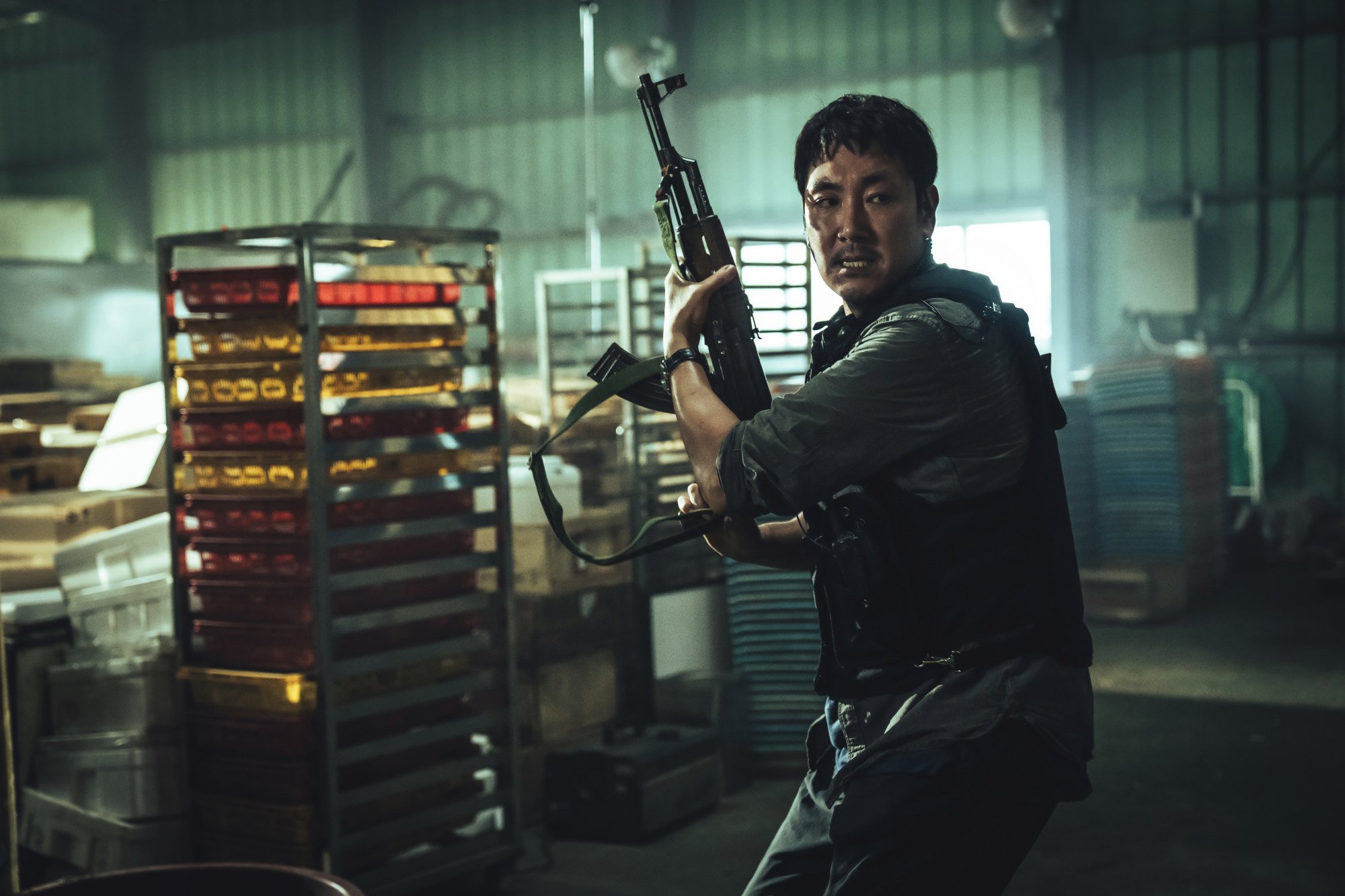
Public reaction has been largely critical, fueled by the contrast between Cho’s on-screen persona and his past actions. He was known for playing characters embodying justice and moral fortitude, such as detectives in Signal and Believer, and freedom fighters in Man of Will and Assassination. This disconnect between his public image and the revealed past has intensified the backlash.
However, the controversy has also sparked a broader discussion about societal attitudes towards past mistakes and the potential for redemption.
Sociologist Chun Sang-chin of Sogang University compared the public reaction to the puritanical shaming depicted in Nathaniel Hawthorne’s The Scarlet Letter. He argued that condemning someone to eternal shame for actions committed before they fully developed their judgment is akin to a “death sentence.” Chun suggests that South Korean society is grappling with conflicting desires for forgiveness and perpetual punishment, reflecting a broader crisis of trust in institutions and a growing “desire for retribution” observed globally.
Voices of Support and Calls for Forgiveness
Some figures have voiced support for Cho, urging society to consider the possibility of redemption.
Anglican priest Song Kyung-yong questioned whether individuals who have reflected on their past mistakes and live responsibly after serving their punishment should be supported. He argued that judging individuals solely by their past prevents them from moving forward and urged the actor not to retire. “If we judge them only by their past, they can’t even breathe or live,” he stated.
Veteran legal scholar Han In-seop, an emeritus professor at Seoul National University’s Law School and former head of the Korean Institute of Criminology and Justice, called Cho’s retirement the “wrong solution.” He emphasized that Cho had already faced legal consequences for his actions as a teenager. Han argued that Cho’s decades of hard work to gain social recognition should be praised and that he could serve as “a role model for teenagers still wandering in the dark.” He also criticized the media’s sensationalism of the story.
Legal and Political Dimensions
The controversy has taken on legal and political dimensions.
- Lawyer and pro-democracy activist Kim Kyung-ho filed a criminal complaint against two journalists, alleging that the reports relied on illegally obtained court documents. Kim questioned whether digging up the mistakes of a high school student from 30 years ago truly serves the public interest.
- The issue has also become entangled in South Korea’s polarized political landscape, with lawmakers divided along ideological lines.
- Members of the ruling Democratic Party have questioned how long past mistakes should define a person.
- Conservatives, such as People Power Party member Joo Jin-woo, have condemned the defense of Cho as partisan “self-justification.”
Online reactions have been largely unforgiving, with many emphasizing the potential impact on victims. One comment stated, “Victims live with lifelong trauma, forced to watch him on TV. Isn’t that secondary harm? Please consider the victims’ perspective.”