

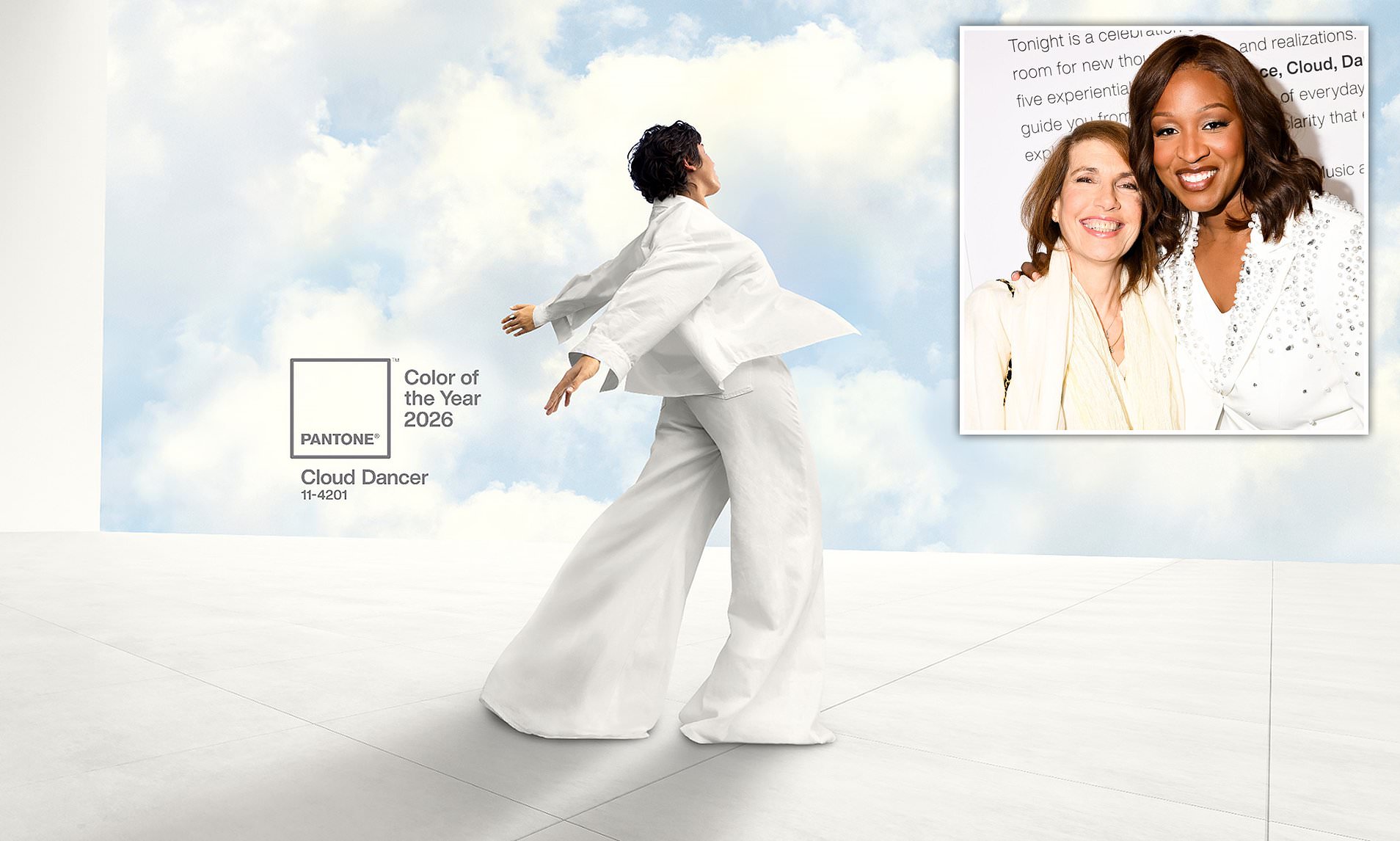
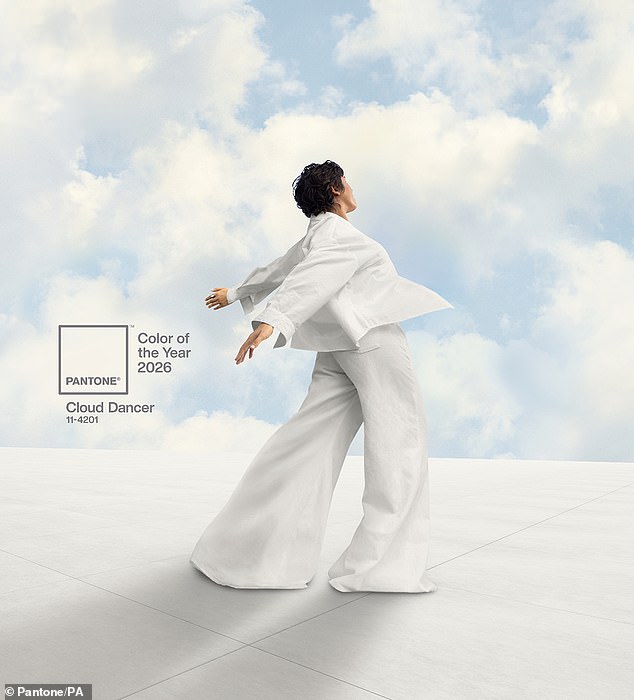
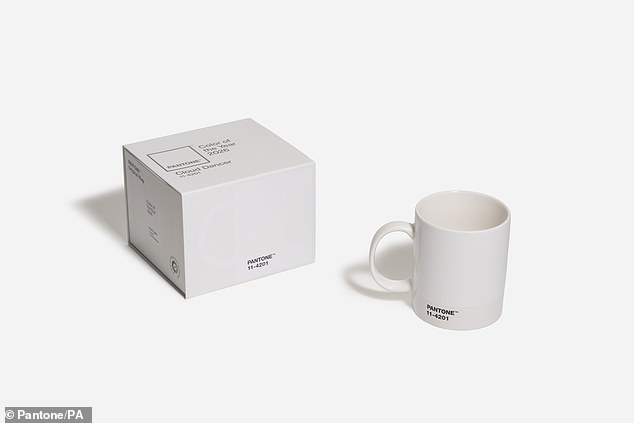
The selection of “Cloud Dancer,” an icy white shade, as Pantone’s Color of the Year for 2026 has triggered a wave of criticism, particularly from liberal voices who are denouncing the choice as “racist” and “tone-deaf.” The announcement, initially intended to promote the color’s calming and peaceful qualities, has instead sparked intense debate and accusations of insensitivity.
Pantone, in its Instagram announcement, described “Cloud Dancer” as “a calming influence in a society rediscovering the value of quiet reflection.” The company positioned the color as “a whisper of calm and peace in a noisy world.” However, the response from some quarters has been anything but calm.
Critics have taken to social media to express their disapproval, with some even drawing parallels between the color choice and controversies such as Sydney Sweeney’s American Eagle “genes” campaign. Some have gone so far as to label the decision “Pantonedeaf,” a play on words highlighting perceived insensitivity.
One Instagram user questioned whether Sydney Sweeney had any influence on the selection of “Cloud Dancer.”

Another commenter suggested that the color “unintentionally aligns with cultural and political symbolism that many of us find deeply troubling.”
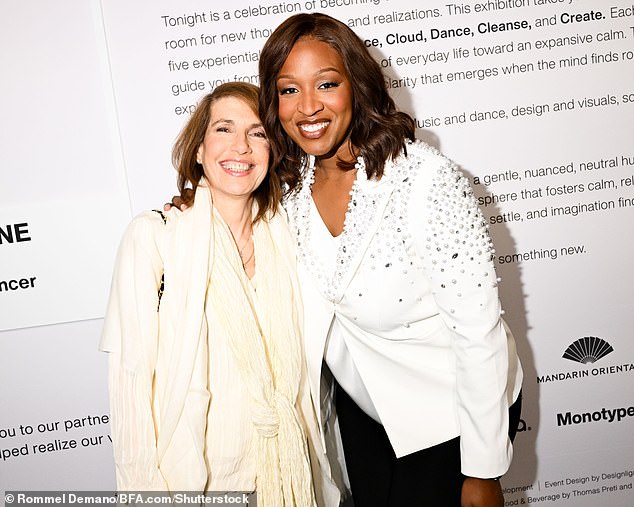
In response to the backlash, Laurie Pressman, Vice-President of the Pantone Color Institute, defended the decision, emphasizing that “skin tones did not factor into this at all.” She also noted that this wasn’t the first time Pantone’s color choices had sparked controversy, citing similar reactions to the selection of skin-toned “Peach Fuzz” for 2024 and the warm brown “Mocha Mousse” the year before.
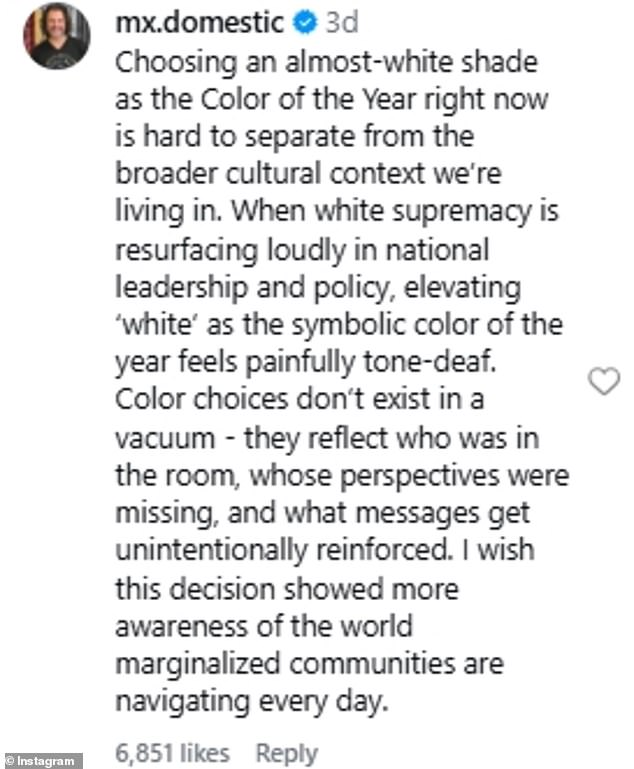
The controversy has also drawn in high-profile influencers. Mathew Boudreaux of Mx Domestic Fabric Shop cautioned that the color choice is “hard to separate from the broader cultural context we’re living in.”
Interior designer Anthony Bruno shared his thoughts on TikTok, acknowledging that “Cloud Dancer” is “chic” but questioning whether “a single person of color was in the room” when the decision was made. He emphasized his opinion that the choice was “tone-deaf.”

Bruno further commented on Instagram, stating, “Friendly reminder that design and art is and has always been political.”
Pantone’s Color of the Year program, launched in 1999, is intended to stimulate a global conversation about how color reflects culture.
According to their website, “We wanted to highlight to our audience how what is taking place in our global culture is expressed and reflected through the language of color.”
The debate surrounding “Cloud Dancer” raises several important questions:
- The Role of Color in Cultural Discourse: How do colors acquire cultural and political meanings? Can seemingly neutral colors become associated with specific ideologies or social groups?
- The Responsibility of Brands: To what extent should companies like Pantone consider the potential cultural and political implications of their color choices? Should they actively strive for inclusivity and avoid potentially offensive associations?
- The Impact of Social Media: How does social media amplify and shape public discourse around color and design? Does it create echo chambers where criticism is intensified and nuanced perspectives are lost?
- The Nature of Offense: What constitutes genuine offense in the context of color selection? Is it always necessary to avoid colors that might be perceived as insensitive by some groups, even if those associations are unintentional?
- Subjectivity vs. Objectivity in Color Perception: How much of our perception of color is subjective and influenced by personal experiences and cultural background? Can there ever be a truly objective or neutral color choice?
The controversy surrounding “Cloud Dancer” underscores the complex relationship between color, culture, and politics. While Pantone intended the color to represent calmness and peace, its reception highlights the potential for unintended interpretations and the importance of considering the broader social context when making design choices. It remains to be seen how this controversy will shape future color selections and the ongoing dialogue about the role of color in society.