
The People Power Party (PPP) is currently embroiled in internal debate regarding proposed changes to its primary election rules and its stance on historical events, specifically the 12.12 military coup and subsequent martial law declaration. Prominent voices within the party are expressing concerns about the direction the party is taking, particularly regarding the leadership of Representative Jang Dong-hyeok.
Debate Over Primary Election Rules
A significant point of contention revolves around a proposal to increase the weight of party member votes in primary elections. Currently, the primary election process utilizes a 50/50 split between party member votes and general public opinion polls. However, the Local Election Comprehensive Planning Team has suggested shifting this ratio to 70% party member votes and 30% general public opinion polls.
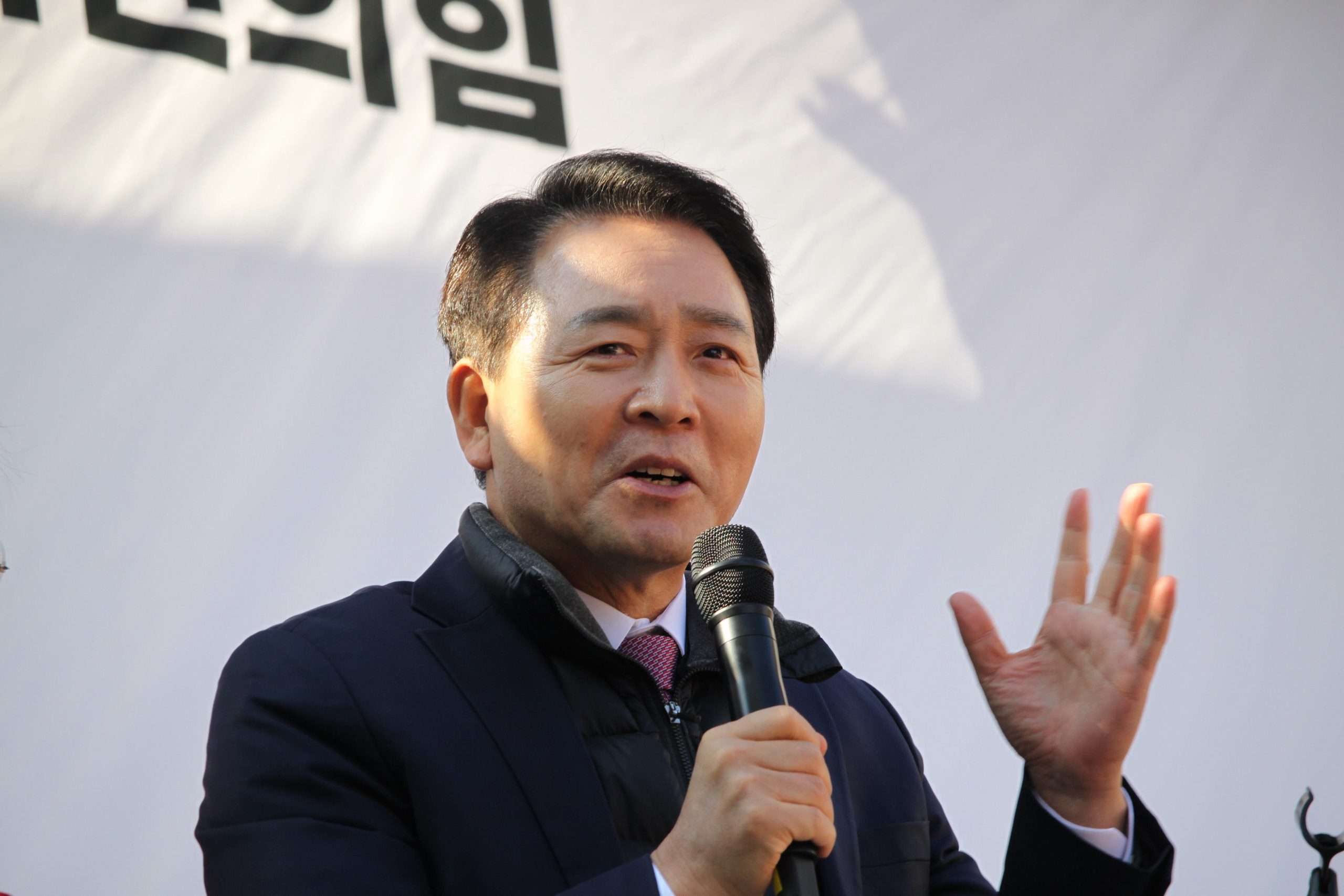
Representative Sung Il-jong, a three-term lawmaker representing Chungnam Seosan-Taean, voiced his opposition to this proposed change. He argued that increasing the influence of party member votes could create the impression that the party is relying too heavily on internal sentiment rather than broader public opinion.
- Representative Sung stated that he believes the existing 50/50 ratio is appropriate.
- He cautioned that altering the ratio could be perceived as a step away from reform.
- He believes a mishandling of the primary election rules could damage the party’s image.
Lingering Questions Regarding the 12.12 Military Coup
Another sensitive issue facing the PPP is its official stance on the 12.12 military coup and the subsequent declaration of martial law. The party has previously issued apologies for the “inconvenience” caused by the martial law, acknowledging that it “should not have been done.” However, recent comments by Representative Jang Dong-hyeok have raised concerns that the party may be shifting its position.
Representative Jang stated that the martial law was intended to counter the Democratic Party’s parliamentary violence. This statement has drawn criticism from within the PPP, with some members fearing that it could be interpreted as a justification for the military intervention.
Representative Sung addressed these concerns, stating that the PPP’s position on the martial law remains unchanged. He asserted that the party has repeatedly apologized for the event and that Representative Jang is not someone who would reverse those apologies.
Calls for Leadership and Change
Several PPP representatives have publicly called for Representative Jang to take a more decisive stance on the martial law issue and to demonstrate clear leadership.
Representative Park Jeong-hoon, a first-term lawmaker representing Seoul Songpa Gap, expressed a sense of urgency, stating that “the time for waiting has passed.” He suggested that while the party might have been able to wait for Representative Jang to make a move in the past, the approaching elections necessitate a more proactive approach.
Representative Park Jeong-ha, representing Gangwon Wonju Gap, echoed these sentiments, noting that Representative Jang had initially promised to “change one degree a day” after taking office. However, Representative Park Jeong-ha suggested that Representative Jang has moved in the opposite direction.
- Representative Park Jeong-ha highlighted the significance of the one-year anniversary of the martial law declaration on December 3rd.
- He argued that a message indicating a shift in the party’s direction was needed on that day, but it did not materialize.
- He warned that if there is no change by the end of the year or early next year, criticism toward Representative Jang Dong-hyeok’s leadership could intensify.
The Need for Innovation and Unity
Despite the internal disagreements, there is a consensus within the PPP on the need for innovation and unity. Representative Sung emphasized the importance of presenting a clear vision for the party’s future and demonstrating tangible internal changes to the public. He also stressed the need for the party leadership to work harder to secure the party’s influence.
Representative Sung commended Representative Jang’s recent meetings with senior party members, viewing them as a positive step toward expanding the party’s influence and benefiting the party as a whole.
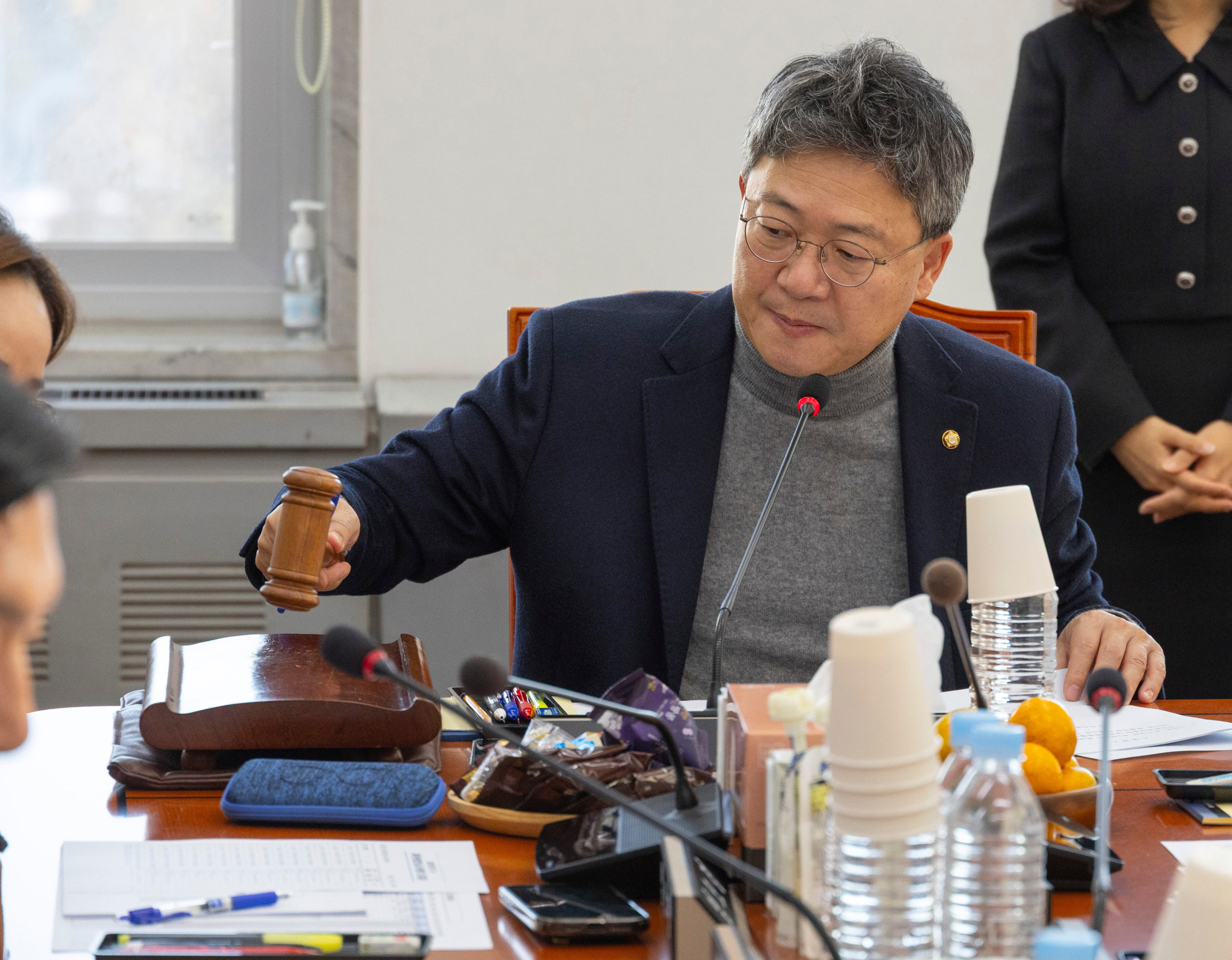
The coming months will be crucial for the PPP as it navigates these internal challenges and seeks to present a united front to the public ahead of the upcoming elections. The party’s ability to address the concerns raised by its members and to demonstrate clear leadership will be critical to its success.