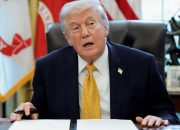


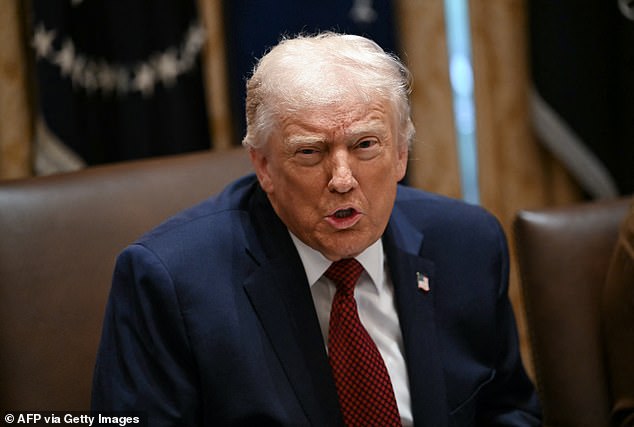
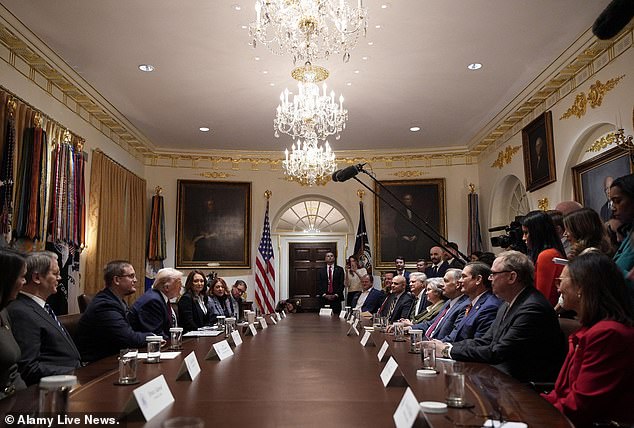
During an agriculture roundtable, former President Donald Trump engaged in heated exchanges with two female reporters, criticizing their questions and demeanor. The interactions highlight a pattern of contentious relationships between Trump and journalists, particularly when faced with inquiries he deems unfavorable.
The first confrontation occurred with a reporter from ABC News, Rachel Scott, who questioned Trump about the potential release of a video related to a September 2 strike on a vessel suspected of involvement in Venezuelan drug trafficking.
‘I never said that. You said that, I didn’t say that. This is ABC Fake News,’ Trump stated. He then deferred the decision to Pete Hegseth, while also asserting that neutralizing such vessels prevents drug overdoses and deaths in the United States.
When Scott pressed further on whether he would commit to releasing the video, Trump responded sharply, saying, ‘Didn’t I just tell you that? You’re the most obnoxious reporter in the whole place.’
He continued, ‘Let me just tell you, you are an obnoxious – a terrible, actually a terrible reporter. And it’s always the same thing with you. I told you, whatever Pete Hegseth wants to do is OK with me.’
It’s worth noting that Trump had previously indicated openness to releasing the video. However, Hegseth expressed reservations at the Reagan National Defense Forum, citing concerns that its release could jeopardize ongoing operations. ‘We’re reviewing that right now,’ he said.
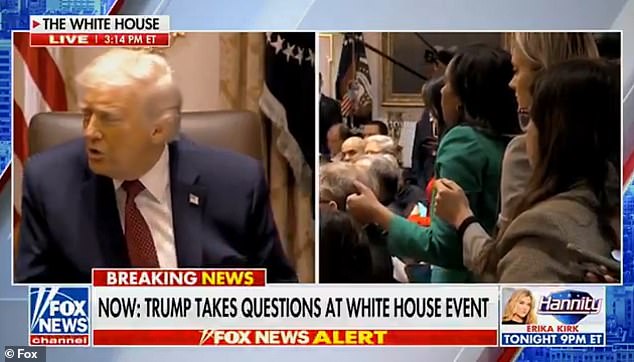
The second tense exchange took place immediately afterward with Laura Figueroa of New York Newsday. Figueroa attempted to inquire about Trump’s concerns regarding the midterm elections and the potential loss of a Republican majority in Congress, noting the number of Republican retirements.
‘At least 20 House Republicans have said they’re going to retire and not run again…’ Figueroa began.
Trump interrupted, asking, ‘And Democrats also. Why don’t you mention them?’
He pressed further, ‘How many Democrats are going to retire? How many Democrats? No, no, tell me the number of Democrats also.’
After a pause, Trump commented, ‘How come you only know the Republicans but not the Democrats?’
Figueroa explained that she had ‘come prepared’ to ask a question specifically about Republicans.
Trump countered, ‘No, you’re unprepared because you should know the Democrats. You’re totally unprepared.’
As of the time of the roundtable, at least 23 Republicans had announced their retirement from Congress or their decision not to seek re-election in 2026. Simultaneously, 17 Democrats had indicated they would not be seeking re-election.
These recent incidents are not isolated. Weeks prior, Trump drew criticism for referring to a female reporter as ‘piggy’ while on Air Force One. The reporter, Catherine Lacey from Bloomberg, was attempting to ask about the Jeffrey Epstein files when the comment was made. ‘Quiet! Quiet, piggy,’ Trump reportedly said.
He later labeled Lacey a ‘terrible reporter’ during a subsequent questioning on a different subject.
These confrontations underscore a recurring pattern in Trump’s interactions with the press, characterized by:
- Dismissive Remarks: Trump frequently resorts to dismissive language and personal attacks when faced with questions he dislikes.
- Accusations of ‘Fake News’: He often accuses media outlets of spreading ‘fake news’ when reporting on topics he finds unfavorable.
- Focus on Perceived Bias: Trump often accuses reporters of bias if they do not present information in a way he perceives as favorable.
- Controlling the Narrative: He often attempts to control the narrative by interrupting reporters and steering the conversation towards topics he prefers.
These interactions continue to fuel debate about the relationship between political leaders and the press, and the role of scrutiny in a democratic society. The incidents raise questions about the level of respect afforded to journalists and the potential chilling effect such exchanges may have on freedom of the press.