
Commemorative Event to Honour Bangladesh’s First Female Prime Minister in Washington D.C.
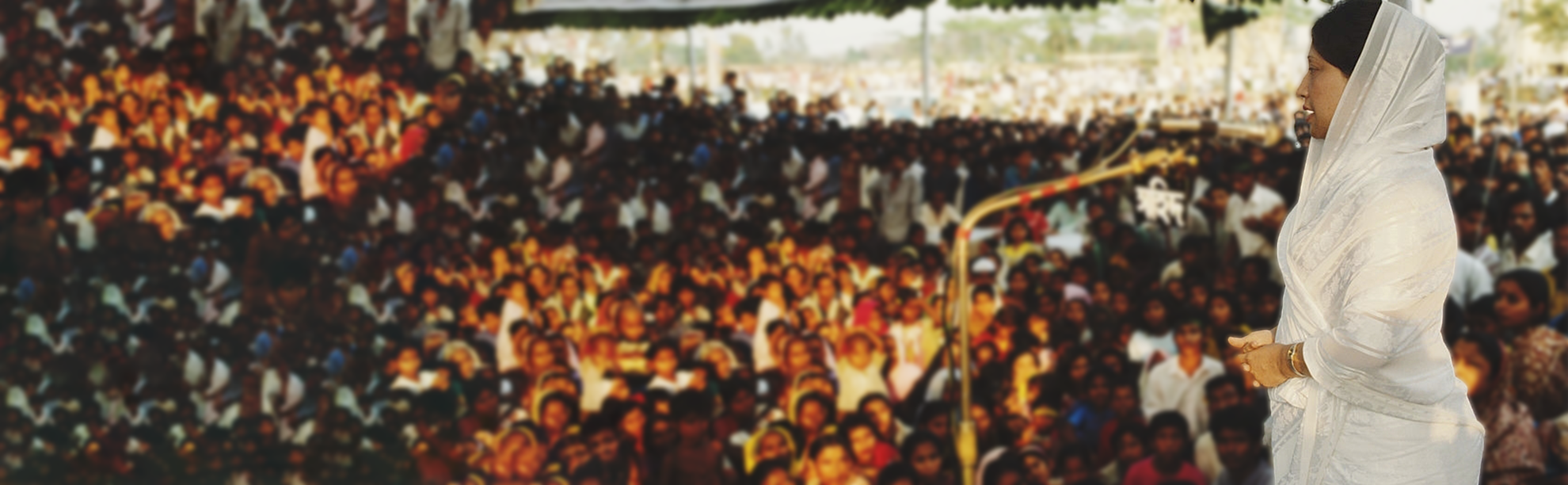
Washington D.C. is set to host a significant memorial event dedicated to the memory of Begum Khaleda Zia, a towering figure in Bangladesh’s political landscape and the nation’s first female Prime Minister. The gathering, scheduled for Monday, will convene at the prestigious National Press Club, bringing together influential individuals from the diplomatic corps, senior U.S. government circles, policy-making bodies, and the media.
The event is being meticulously organized by Mushfiqul Fazal Ansarey, a distinguished member of the National Press Club and currently serving as Bangladesh’s Ambassador to Mexico. Ambassador Ansarey brings a unique and personal perspective to this commemoration, having served as Assistant Press Secretary to Begum Khaleda Zia during her premiership from 2001 to 2006. His intimate knowledge of her political tenure and dedication to her legacy will undoubtedly enrich the proceedings.
The primary objective of this commemorative meeting is to pay tribute to Begum Khaleda Zia’s multifaceted political career. It aims to reflect on her pivotal role in the restoration and subsequent consolidation of democracy in Bangladesh, a period marked by significant political and social transformation. The event will also highlight her substantial and enduring contributions to the nation’s historical narrative, all of which will be remembered with profound respect and dignity.
Begum Khaleda Zia’s political journey is interwoven with the very fabric of Bangladesh’s democratic evolution. As the leader of the Bangladesh Nationalist Party (BNP), she has been a central figure in the country’s political discourse for decades. Her premiership was characterized by a commitment to various socio-economic development initiatives, aimed at improving the lives of ordinary Bangladeshis.
The organizers anticipate a robust attendance, underscoring the international interest in Begum Khaleda Zia’s impact. The presence of diplomats from various nations will provide a global perspective on her political significance. Similarly, the engagement of senior U.S. government officials and policymakers signifies the recognition of her influence beyond Bangladesh’s borders, particularly in the context of regional stability and democratic ideals.
The media’s participation is also crucial, ensuring that the commemoration reaches a wider audience and serves as an educational platform about Bangladesh’s democratic struggles and triumphs. This event offers an opportunity to delve into the complexities of Bangladesh’s political history through the lens of a leader who has indelibly shaped its course.
Key aspects to be explored during the memorial meeting include:
- The Consolidation of Democracy: Discussions are expected to revolve around the challenges and successes encountered during Begum Khaleda Zia’s terms in office, particularly concerning the strengthening of democratic institutions and processes.
- Socio-Economic Reforms: Her policies and initiatives aimed at poverty alleviation, education, and healthcare will likely be a focal point, showcasing her dedication to the welfare of the Bangladeshi populace.
- Foreign Policy and International Relations: The event may also touch upon her foreign policy decisions and their impact on Bangladesh’s standing in the international community.
- Her Legacy as a Trailblazer: As the first woman to hold the highest executive office in Bangladesh, her journey serves as an inspiration, breaking barriers and paving the way for future generations of women in leadership roles across the subcontinent.
The choice of the National Press Club as the venue is strategic. It is a hub for influential voices and a platform where significant national and international dialogues often take place. This setting is deemed appropriate for a discussion of such historical and political weight.
Ambassador Ansarey’s personal connection to Begum Khaleda Zia’s political office lends an authentic and deeply informed dimension to the organization of this event. His insights, gained from direct experience, are expected to provide a nuanced understanding of her leadership style and policy considerations during a critical juncture in Bangladesh’s post-independence history.
The memorial meeting is more than just a remembrance; it is an opportunity to reflect on the enduring principles of democracy and the challenges inherent in nurturing and sustaining it. It serves as a reminder of the individuals who have dedicated their lives to the pursuit of these ideals, even amidst significant political turbulence. The event aims to foster a deeper appreciation for the contributions of Begum Khaleda Zia to Bangladesh’s democratic journey and its place in the global political arena.